Russia Restricts Passports, Curbs Calls Amidst Exodus Fears
Russia is reportedly making it difficult for citizens to obtain international passports, with offices overwhelmed and long delays. New regulations may also restrict international calls for those over 60. These measures are seen as an attempt to control emigration and information flow amidst growing public discontent.

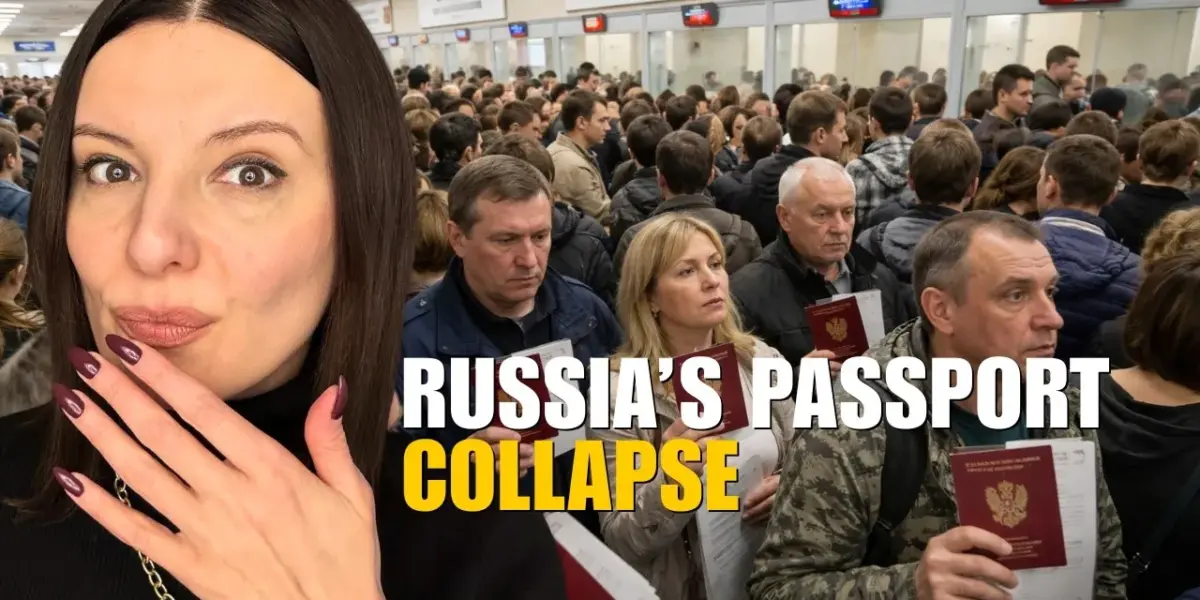
Russia Imposes New Restrictions Amidst Growing Exodus Concerns
Reports indicate that Russian citizens are facing significant hurdles in obtaining international passports, a move seen by observers as an attempt to control potential emigration. In Moscow alone, nearly all of the approximately 100 offices responsible for issuing international passports are reportedly overwhelmed. This congestion is preventing many from acquiring the necessary documents for foreign travel in the coming months. The situation mirrors similar reports from other major Russian cities, including St. Petersburg, Yekaterinburg, Kazan, and Samara, suggesting a widespread difficulty in obtaining these travel documents. This widespread issue highlights a growing desire among millions of Russians to leave the country, a trend that appears to be a primary concern for the Kremlin.
Passport Delays Signal Public Discontent
The inability to obtain international passports is seen as a significant indicator of public sentiment within Russia. Many Russians rely on these documents not only for travel but also for basic online activities, including accessing email and social media. The current system’s inability to process applications efficiently suggests a deliberate effort to curb outward migration. This is particularly relevant as speculation about a potential general conscription continues, which could further increase the number of individuals seeking to leave the country. The Kremlin’s actions appear to be a preemptive measure to manage this potential outflow.
New Regulations Target International Communications
In addition to passport restrictions, Russian lawmakers are reportedly preparing new regulations that would limit international calls for citizens over the age of 60. While officially framed as a measure to protect older citizens from fraud, critics argue it represents another layer of control over communication. To receive international calls, individuals over 60 would need to actively contact their mobile operators to enable this service. Failure to do so would result in a ban on all incoming calls from abroad. This measure, coupled with existing internet restrictions in some areas, further limits access to external information and communication channels for a significant portion of the Russian population.
Internet Access Limited, Affecting Daily Life
The challenges extend beyond official documentation and communication channels. Many Russians are reportedly unable to access essential online services, such as checking email, working remotely, or conducting online research. In some regions, internet access is so limited that individuals travel to neighboring countries like Belarus or Georgia simply to connect to social media. This lack of reliable internet access significantly impacts daily life and hinders access to information outside of state-controlled narratives. The Kremlin’s approach to internet access appears to prioritize control over the free flow of information.
Strategic Implications and Public Reaction
The current restrictions on passports and communications suggest a Kremlin that is increasingly concerned about internal stability and public dissent. By making it difficult for citizens to leave and limiting their access to external information, the government appears to be attempting to consolidate control. The widespread congestion at passport offices and the new communication regulations are interpreted by many as signs of a government in a state of panic, trying to prevent a larger crisis. The situation has also led to a surge in online commentary and memes, reflecting a mix of dark humor and critical observation among those affected and those observing from abroad. The broader geopolitical impact of these internal measures remains to be seen, but they underscore the growing isolation of Russia and the internal pressures faced by its government.
Historical Context: Echoes of the Past
The current situation has drawn parallels to the Soviet era, with some observers noting that current restrictions echo past limitations on travel and communication. The desire to leave the country and the government’s efforts to prevent it are reminiscent of historical periods where citizens faced significant barriers to emigration. The official justifications for these restrictions, such as protecting citizens from fraud, are also seen by some as a familiar tactic used to mask broader control measures. These parallels highlight a recurring theme in Russian history concerning the relationship between the state and its citizens’ freedoms.
Source: RUSSIANS CAN’T GET PASSPORTS: MILLIONS STUCK INSIDE Vlog 1358: War in Ukraine (YouTube)

Related Articles
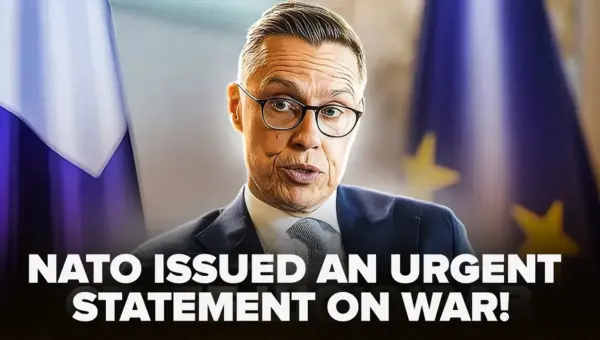
Ukraine Strikes Russian Oil Refinery, Eyes Iran Threat
Ukrainian forces struck a key Russian oil refinery, disrupting Moscow's war capabilities. Meanwhile, Finland's president urged continued U.S. support for Ukraine, as Kyiv shares its air defense expertise globally amid growing geopolitical complexities involving Iran and potential sanctions against Hungary.

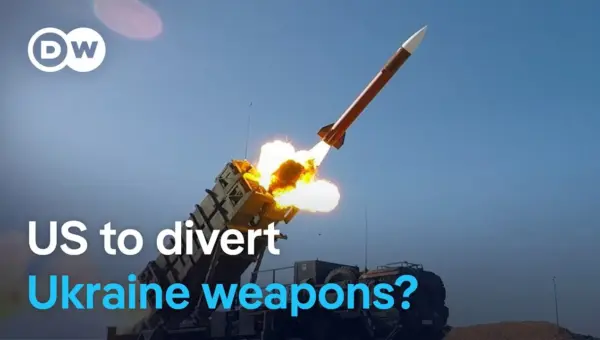
US Weighs Shifting Ukraine Weapons to Iran Amid Missile Shortage
The U.S. is reportedly considering diverting weapons destined for Ukraine to support operations against Iran, driven by rapidly depleted missile stocks. This potential shift raises concerns about Ukraine's defense capabilities and highlights the complex interplay between global conflicts.

G7 Allies Clash Over Iran War Strategy, Urge Focus on Russia
G7 foreign ministers met in Paris, revealing deep divisions over the U.S. war with Iran. European allies urged the U.S. to pressure Russia, linking its actions to the conflict and fearing support for Ukraine will wane.