Russia Restricts Comms in Occupied Zones
Families face increasing isolation as Russia tightens communication controls in occupied territories. Residents are struggling to connect with loved ones and access independent news, relying on limited and often monitored channels.

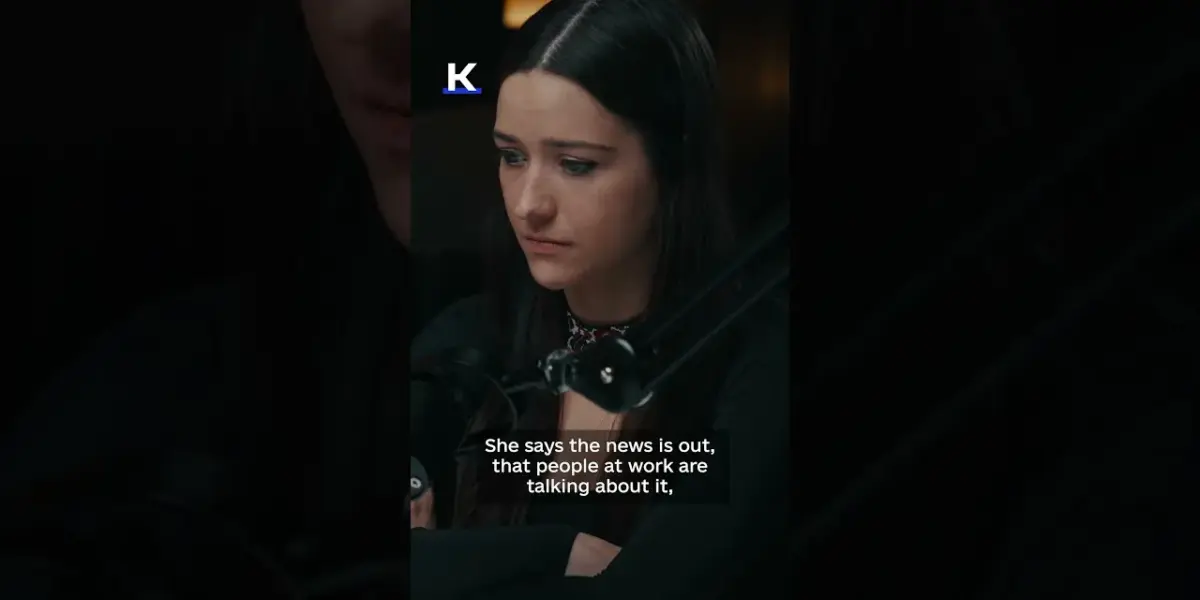
Russia Tightens Grip on Occupied Territories
Reports indicate that Russia is intensifying control over occupied areas, leading to increased difficulties for families trying to maintain contact. These measures are severely impacting the ability of residents to communicate with loved ones outside these zones and access independent information.
Communication Channels Under Pressure
For individuals like a woman who spoke anonymously for her safety, maintaining contact with parents in occupied territory has become a significant challenge. “Currently, we communicate with my parents using an alternative messenger. It’s called email. We also try to communicate via Telegram,” she explained. While text messages are possible, video calls remain problematic due to unstable connections.
A complete communication blackout occurred on March 20th, cutting off calls on both Telegram and WhatsApp. The situation is expected to worsen, as residents have heard about upcoming restrictions on even these alternative communication methods. “She says the news is out that people at work are talking about it that they are also concerned and worried as they are trying to find alternative ways to communicate,” the woman shared about her mother’s concerns.
Russian Social Media as a Last Resort
As traditional and alternative communication tools face restrictions, some individuals are turning to Russian social media platforms. “Some of my acquaintances are now restoring their accounts on Russian websites Vkontakte and Odnoklassniki via VPN to stay in touch with their families,” the source stated. This move highlights the limited options available for communication and information access.
Information Control and Propaganda
The restrictions extend beyond just communication. Residents in occupied areas face significant limitations in accessing external information and independent news sources. “They are limited in their ability to perceive external information to read any independent sources because they have been living for many years under the influence of this propaganda under the influence of these narratives,” the woman explained. This prolonged exposure to state-controlled narratives makes it difficult for them to discern factual information.
Family Divisions Amidst Information Warfare
The impact of differing information environments has also created rifts within families. “Like many of my friends, I had a lot of conflicts with my family because they couldn’t accept the truth that we know. Because for them the truth is unfortunately completely,” she added, pointing to the deep divisions caused by propaganda and differing perceptions of reality.
Strategic Implications
Russia’s tightening control over communications and information in occupied territories serves multiple strategic purposes. By limiting external contact and access to independent news, Moscow aims to isolate the population, prevent the spread of dissenting views, and reinforce its own propaganda narratives. This strategy is crucial for maintaining stability and control within these regions, making it harder for Ukrainian influence or independent reporting to penetrate. The reliance on Russian platforms like Vkontakte further integrates these areas into Russia’s digital and informational sphere, solidifying Moscow’s grip.
What This Means on the Ground
For families, the consequences are deeply personal. The inability to easily connect with loved ones causes immense emotional distress. For residents within the occupied zones, the isolation means a diminished ability to understand the true situation, both within their region and in the wider world. This creates an environment where state-controlled media can more easily shape public opinion and suppress any form of opposition. The forced use of Russian platforms also raises privacy concerns and increases surveillance potential.
Historical Parallels
Similar tactics of information control and communication restriction have been employed throughout history by regimes seeking to maintain power and suppress dissent. During the Cold War, both sides of the Iron Curtain heavily controlled media and limited cross-border communication to shape public perception and prevent the spread of opposing ideologies. The current situation echoes these efforts, demonstrating a continued reliance on information as a tool of control in conflict zones.
Source: Families lose contact as Russia tightens control in occupied areas (YouTube)

Related Articles

Russia Blocks Telegram, Alienating Putin’s Vloggers
Russia's ban on Telegram has silenced Kremlin-aligned bloggers and experts, cutting off a vital communication channel for millions. The move alienates key supporters and highlights the government's fear of uncontrolled information flow amidst economic and military challenges.

Russia Bans Gas Exports Amid Refining Woes
Russia has banned gasoline exports, a move driven by Ukrainian drone attacks on its refineries and logistical issues. This forces Russia to prioritize domestic supply, preventing it from fully capitalizing on high global oil prices and impacting its revenue.

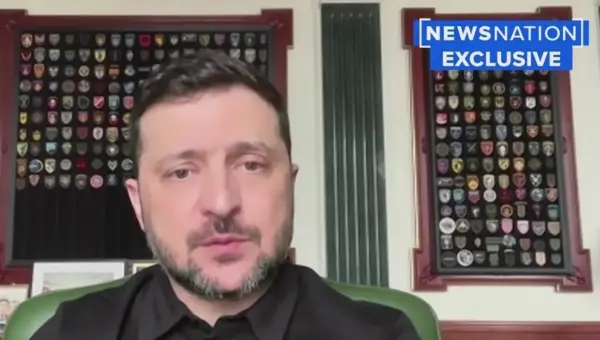
Russia Aids Iran with Intel, Weapons Amid Peace Talks
Ukrainian President Zelenskyy alleges Russia is sharing intelligence and weapons with Iran, a claim made amidst ongoing U.S.-led peace talks for Ukraine. This alleged cooperation between Moscow and Tehran raises concerns about regional stability and complicates peace efforts.