Russia Recruits Students for Drone Units Amidst Escalating Attacks
Russia is reportedly seeking to bolster its drone forces by recruiting students, a move downplayed by the Kremlin. Meanwhile, Ukraine faces intensified Russian strikes on critical infrastructure, though its front lines have reportedly stabilized, offering a strategic advantage. Global security concerns are being linked, from the Strait of Hormuz to Ukraine, while Ukraine's experience in modern warfare is seen as a model for Europe.

Russia Scrambles for Drone Recruits, Schools Affected
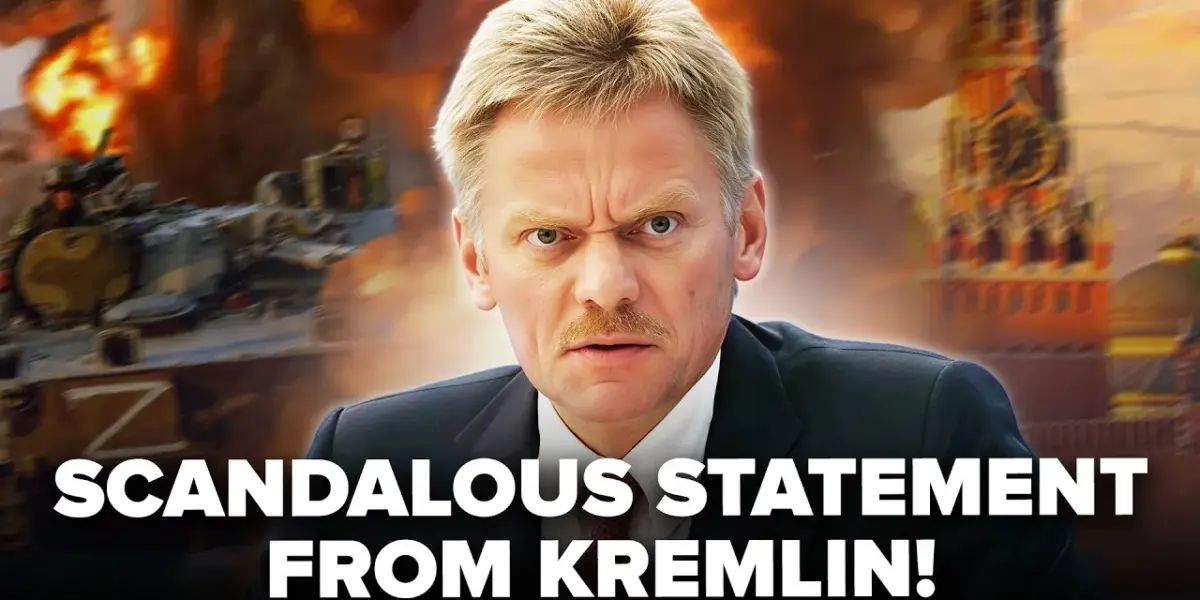
Russia appears to be urgently seeking personnel for its drone units, with reports indicating that even students are being considered for recruitment. Presidential spokesman Dmitry Peskov, however, has downplayed these reports. He stated that he has no knowledge of any orders to recruit students for new unmanned units and cannot confirm the authenticity of media reports. Despite this, Peskov effectively acknowledged the broader effort, stating that Russia is actively forming new types of military units and requires skilled individuals. He clarified that recruitment is an open process for all citizens, including workers, the unemployed, and students, framing it as a standard job market offering rather than a hidden mobilization.
Earlier this year, Russia’s Minister of Science reportedly suggested to university rectors that at least 2% of students should sign military contracts. Internal documents, briefly leaked online, suggested plans to recruit nearly 79,000 people into drone forces by 2026, a figure that reportedly includes first-year students. This push for personnel comes as Russia continues its intensified missile and drone attacks across Ukraine.
Ukraine Faces Renewed Strikes on Critical Infrastructure
A significant Russian missile and drone attack struck the Kyiv region early Friday, resulting in at least one death and one injury. Despite active air defense systems, some targets were hit, causing casualties and damage. Emergency services are reportedly on the ground providing assistance. This attack is part of a pattern where Russia combines waves of drones with missiles to overwhelm Ukrainian air defenses. Ukrainian officials warn that Russia is shifting its focus beyond energy infrastructure, now preparing for broader attacks on critical systems essential for city functioning.
President Volodymyr Zelenskyy stated that intelligence indicates a new phase of attacks targeting key infrastructure nationwide. He noted that while Russia’s winter campaign against Ukraine’s energy sector was difficult, Russian forces are now somewhat depleted in missiles and drones. According to intelligence assessments, Russia plans to target logistics, including railways and other infrastructure, as well as water supply systems.
Front Line Stabilizes, Ukraine Holds Strategic Advantage
President Zelenskyy also reported that the situation on the front lines is the best it has been in many months, citing British intelligence assessments. Ukrainian forces have reportedly stabilized the battlefield despite ongoing Russian attacks. While the threat remains, Ukraine is now holding its lines more effectively. Zelenskyy shared that intelligence reports, including an assessment from British intelligence (MI6), indicate this improved situation. He stated that Ukraine has regained approximately 20 square kilometers of territory. The overall front line is holding, and British intelligence considers the current situation difficult but the best in the last ten months.
Global Security Interconnected: Hormuz to Ukraine
France and South Korea have agreed to cooperate on ensuring the safety of the Strait of Hormuz, a vital route for global oil supplies, amidst ongoing tensions in the Middle East. During a visit to Seoul, French President Emmanuel Macron broadened the discussion beyond regional conflicts. He linked various global security issues, from the Strait of Hormuz to Ukraine, emphasizing that international rules and peace are interconnected. Macron’s message highlights that if international norms fail in one region, they risk failing everywhere. This comes at a time of increasing strain between the United States and its allies, with former President Donald Trump criticizing allies for insufficient support in conflicts.
Macron stated that discussions covered the Middle East crisis, de-escalation efforts, and a deconfliction framework with Iran to reopen the Strait of Hormuz. He stressed the importance of a just and lasting peace and respect for international law. Macron also noted a shared vision with South Korea concerning Ukraine’s defense against Russian aggression and stability on the Korean Peninsula.
Ukraine as a Future Warfare Bellwether for Europe
Foreign Affairs magazine suggests that Ukraine is effectively fighting the war of the future, with Europe still trying to adapt. Ukraine is setting the pace, demonstrating how wars in the coming decade might unfold. Drones now account for up to 80% of battlefield strikes. Low-cost FPV (first-person view) drones, costing around $1,000, are increasingly replacing missiles that cost millions. The conflict is characterized by rapid evolution, scalability, and constant innovation.
While Europe faces lengthy procurement cycles and slow production ramp-ups, Ukraine has already developed long-range strike capabilities, including naval drones that have pushed back Russia’s Black Sea fleet. Hundreds of Ukrainian companies are continuously developing and deploying new solutions. Ukraine possesses significant defense industrial capacity, estimated between $25 billion and $40 billion, which remains underutilized due to a lack of capital investment. Europe could benefit from this capacity to bolster its own deterrence against Russia without hindering Ukraine’s war effort.
Europe Needs Political Will to Match Defense Spending
The Atlantic Council argues that Europe possesses the resources to counter Russia but lacks the necessary political will. While the combined GDP of the EU, UK, and Norway significantly exceeds Russia’s, and European defense spending is higher, this advantage is not translating into swift decision-making. Ukraine is streamlining bureaucracy and scaling production rapidly, while Europe remains constrained by long planning cycles. Progress has been made in ammunition production, but the overall system remains slow.
With the United States signaling a greater expectation for Europe to handle its own security, the goal for Europe should be clear superiority over Russia. Ukraine, with its combat experience and industrial capacity, is crucial to this strategy. The primary issue is not capability but Europe’s readiness to act decisively and in a timely manner. The continent must build greater consensus on security priorities to expand its defense industrial base, secure supply chains, and scale production lines without delay. The resources are available; the challenge lies in the political will of European leaders to act before the strategic window narrows further.
German Satirist Sentenced in Russia for Putin Caricatures
German carnival float builder Jacqui Tilei, known for his satirical depictions of President Vladimir Putin, has been sentenced by a Moscow court to over eight years in prison. The charges include spreading false information about the Russian military and insulting religious feelings. Tilei’s work, which has included portrayals of Putin in a bathtub of blood and biting Ukraine, is considered a tradition of political satire in Germany. In Russia, however, such expressions are treated as criminal offenses.
Tilei described the trial as a propaganda exercise, believing the verdict was predetermined. Despite the sentencing, he continues his artistic work. He noted that the idea for his latest creations came about only a few weeks ago, demonstrating his continued defiance and commitment to his craft.
Source: ⚡️Peskov came out with bad news for Russia! Kremlin is on brink of collapse. NATO warns Russia (YouTube)

Related Articles

US Rescues Airman, Uniting Congress in Rare Bipartisan Praise
Washington reacted with widespread relief and bipartisan praise following the successful rescue of a U.S. service member held in Iran. The operation united lawmakers, demonstrating American resolve and capability in a complex geopolitical landscape. This event highlights the enduring importance of military power and its impact on regional dynamics.


GOP Rep Stumbles on Iran Policy Amidst War Confusion
A Republican congressman struggled to explain Iran's continued control over the Strait of Hormuz on live TV, raising questions about U.S. foreign policy clarity. The interview highlighted the complex reality of Iran's military capabilities, particularly its IRGC Navy, and the ongoing challenges in global trade security.

Ukraine Eyes Defense Deal with Saudi Arabia
Ukrainian President Volodymyr Zelenskyy's unannounced visit to Saudi Arabia signals a potential 10-year defense cooperation agreement. This move aims to secure financial and energy support amid Ukraine's EU funding challenges. The visit also comes as the U.S. administration grapples with its strategy concerning Iran and the Strait of Hormuz.