Russia Ramps Up Internet Control Amidst Fears
Russia is rapidly accelerating its control over the internet, with a focus on messaging apps like Telegram and VPNs. This surge in digital suppression is analyzed as potentially driven by Vladimir Putin's desire to regain global relevance, preparations for renewed mobilization, or deep-seated fears of internal unrest. The urgency suggests a critical point has been reached for the Kremlin.

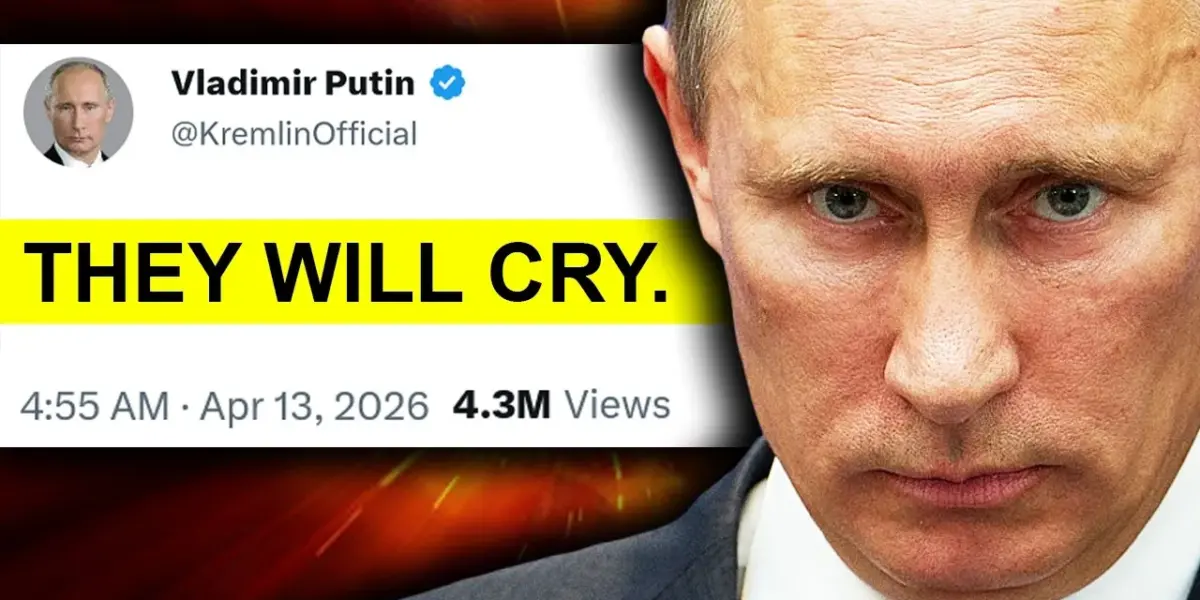
Russia Accelerates Digital Controls Amidst Growing Uncertainty
Russia appears to be rapidly tightening its grip on the internet, a move that feels less like a gradual process and more like a hurried response to perceived threats. Recent actions, including discussions of a potential all-out ban on the messaging app Telegram and intensified efforts to block Virtual Private Networks (VPNs) using advanced technology, suggest a significant shift in the Kremlin’s approach to online information. This accelerated pace indicates a strong desire for total control over the digital space, raising questions about the urgency behind these measures.
Why the Sudden Urgency?
While authoritarian governments often seek to control information, the current speed and intensity of Russia’s actions seem different. Experts note that efforts to restrict online platforms like Telegram have been ongoing for years. However, the current push suggests that what was once a long-term goal is now being treated as an immediate necessity. This sudden urgency leads to speculation about the underlying reasons, suggesting either a preparation for significant, potentially disruptive actions or a deep-seated fear of impending threats.
Putin’s Search for Relevance
One key factor potentially driving this accelerated crackdown is a perceived decline in Vladimir Putin’s global standing. After years of projecting an image of a powerful leader who dictates global events, the narrative has shifted. Figures like Donald Trump now capture more international attention, leaving Putin feeling sidelined. This shift is particularly galling for a leader whose political identity is built on being a major player on the world stage. The ongoing war in Ukraine, which has become a protracted conflict rather than a swift victory, further exacerbates this feeling of stagnation.
The war, once a potential source of renewed influence, has instead become a drain, producing constant conflict without the desired spectacular outcomes. This lack of momentum and diminished global spotlight may be pushing Putin to seek a new, attention-grabbing move. Such a move, experts suggest, would be easier to orchestrate if the public is disoriented and digitally isolated, making the intensified crackdown on platforms like Telegram a form of stage-setting for a new political act.
The Shadow of Mobilization
A primary explanation for the urgent internet crackdown revolves around the possibility of renewed mobilization. The disastrous rollout of the initial mobilization in 2022, which saw widespread panic, chaos, and an exodus of citizens, left a deep scar on the Kremlin. The internet’s role in facilitating rapid information sharing—warnings, escape routes, and legal advice—proved to be a significant challenge for the state’s control. The memory of this uncontrolled public reaction likely fuels a strong desire to prevent a repeat.
With the war effort stalled and recruitment struggling to offset losses, a new mobilization might be considered. In this context, any uncensored communication channel, especially a widely used and decentralized platform like Telegram, becomes a potential threat. It could serve as an infrastructure for panic, enabling citizens to organize and disseminate information that undermines state control, much like in 2022. This fear of public reaction appears to override concerns about alienating the population or damaging the state’s own propaganda networks.
The Temptation of Wider Conflict
Beyond domestic concerns, another, perhaps more dangerous, explanation for the intensified digital control is the potential for expanding the war. If Putin feels the current conflict is not restoring his global relevance, the temptation to create a larger shock event might arise. This could involve escalating the conflict, potentially towards NATO-aligned Baltic states, as a reckless gamble to regain international attention.
Such an escalation would immediately refocus global attention on Russia and Putin, resetting the narrative. However, the risks are immense, given Russia’s current strained resources and the potential for a direct confrontation with NATO. Regardless of whether the Kremlin is preparing for mobilization or wider escalation, the immediate tactical requirement appears to be the same: to create a more controlled information environment. This involves hindering rapid communication, slowing the spread of rumors, and making any public reaction less synchronized.
Fear of Internal Dissent
A third, and potentially most credible, explanation for the accelerated crackdown is rooted in the regime’s deep-seated fear of its own population. Authoritarian systems often project their anxieties about internal unrest onto external threats. The Kremlin has historically viewed protests and revolutions in other countries as potential harbingers of similar events at home. The large-scale protests in Iran, for instance, likely served as a stark warning, demonstrating how even a heavily controlled state could face mass unrest.
Despite having built an extensive apparatus for repression, the Russian regime appears to remain paranoid. Instead of fostering security, this constant repression seems to breed more insecurity, as each control measure suggests the existence of an undetected threat. In this light, every citizen can be viewed as a potential source of dissent, and every online platform as a potential hub for organization. The intensified crackdown on Telegram, therefore, could be a symptom of fear and insecurity, a desperate attempt to preemptively silence any potential for public outcry or coordinated opposition, rather than a sign of strength or confidence.
The rapid escalation of internet controls in Russia, particularly targeting platforms like Telegram, points to a regime grappling with multiple anxieties. Whether driven by a desire to regain global relevance, prepare for further military action, or quell internal dissent, the underlying theme is a perceived need for greater control in an increasingly uncertain environment. The accelerated pace suggests that these concerns have reached a critical point for the Kremlin.
Source: Putin Suddenly Went Awfully Quiet — What Is He Up To? (YouTube)

Related Articles
Ukraine’s Drones Disrupt Russian Oil, Forge Gulf Ties
The conflict in the Persian Gulf has caused a major oil shortage, boosting prices and creating new challenges for Russia. Meanwhile, Ukraine's advanced drone technology, funded by Gulf investments, is disrupting Russian oil exports and forging new international partnerships.
Putin Bolsters Residence Defenses Amid Regional Shortages
President Putin is reportedly significantly enhancing air defense around his Valdai residence, adding seven new systems for a total of 27. This comes as many Russian regions complain of insufficient protection, fueling public discontent and perceptions of unequal security.

Ukraine Rejects US Ultimatum on Donbas: Allies Rally
Ukraine is reportedly prepared to reject U.S. demands for territorial concessions in Donbas, signaling greater independence from Washington. This stance, supported by European allies, comes as Russia maintains its maximalist demands. The situation mirrors past diplomatic pressures and highlights Ukraine's growing resilience.