Russia Pokes NATO Defenses Amid Ukraine Strikes
Russia has increased its probing of NATO air defenses with multiple fighter jet scrambles over the Baltic Sea. Simultaneously, Ukraine continues to strike Russian energy infrastructure. These actions occur amidst political discussions about NATO's future and U.S. commitment to the alliance.

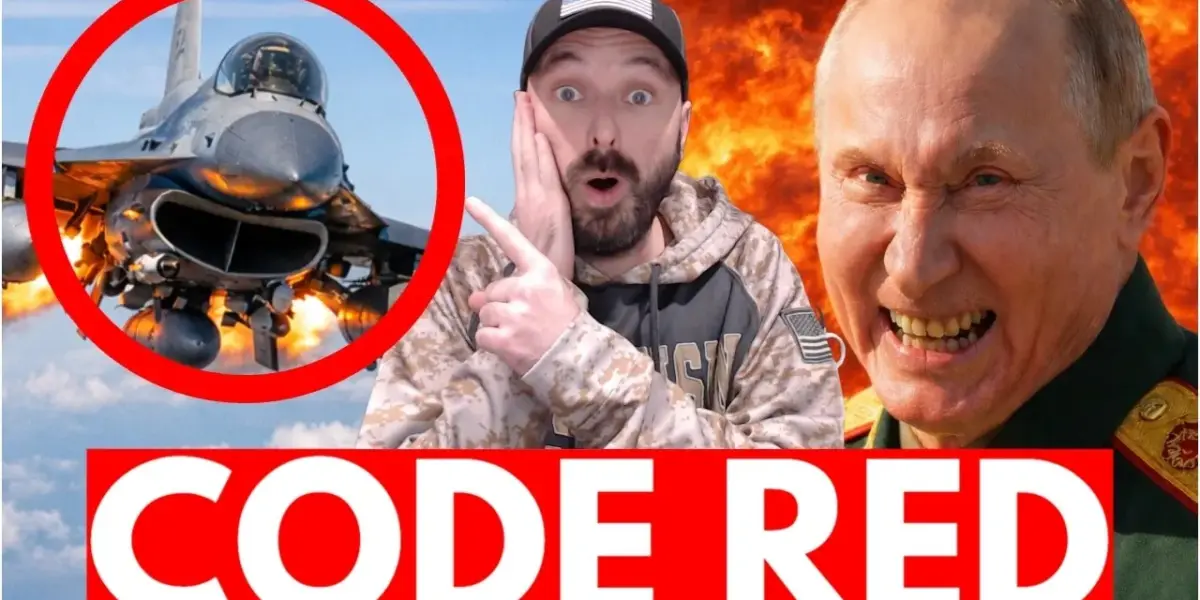
Russia Pokes NATO Defenses Amid Ukraine Strikes
In early April, a series of events unfolded that put NATO and Russia on high alert. Polish F-16 fighter jets, along with French Rafale fighters, were scrambled multiple times to intercept Russian warplanes over the Baltic Sea. These Russian aircraft were identified as Il-20 reconnaissance planes. They were flying in international airspace with their identification transponders turned off and without filed flight plans. This tactic is often used to test response times and probe air defense systems.
These incidents are not new. Similar events occurred about a year prior, but they seemed to decrease as global attention shifted towards the conflict in Iran. Now, Russia appears to be using the ongoing global focus on other conflicts as a cover to test NATO’s readiness. The deputy prime minister of Poland stated that these actions are testing NATO’s air defenses. He also emphasized that Polish forces are prepared for an immediate response to protect their airspace.
Why This Matters
The core reason behind these Russian flights is to gather intelligence on NATO’s reaction times. Russia wants to know how quickly NATO can get fighter jets into the air and how long it takes for them to intercept. This information is crucial for developing battle plans in case of an actual conflict. It’s a common practice for military powers to monitor each other’s responses in contested areas, much like how the U.S. observes Russian aircraft near Alaska.
Adding to the tension, the United Kingdom’s Royal Navy also had to shadow Russian warships and a fleet of tankers passing through the English Channel. This occurred shortly after the UK Defense Secretary announced concerns about Russian undersea operations near critical British infrastructure. Russia is known for its deep-sea activities, which can include sabotage. The presence of these Russian vessels, particularly the tankers escorted by frigates, was seen by some as a deliberate show of force and a challenge to British naval capabilities.
Ukraine’s Countermeasures
While Russia was probing NATO’s borders, Ukraine was launching significant strikes deep within Russian territory. Ukrainian drones reportedly hit the Tengiz station at the Volgograd oil pipeline, a key route for diesel exports. The resulting fire was visible from a great distance. Another major explosion rocked the city of Vladikavkaz, hitting an unspecified target. Footage from these attacks showed massive plumes of smoke, suggesting significant damage.
These strikes on Russian energy infrastructure demonstrate Ukraine’s continued ability to project force. They also raise questions about the effectiveness of Russian air defenses, which are often portrayed as formidable. Ukraine has consistently targeted Russian supply lines and military assets, showing a persistent capability to strike even in areas far from the front lines.
Shifting Alliances and Future Outlook
Against this backdrop of military activity, political discussions surrounding NATO have intensified. Former President Donald Trump has been vocal about NATO’s role and its funding. Reports emerged that his administration was considering plans to punish NATO members perceived as unhelpful to U.S. interests, particularly concerning the recent conflict in Iran. These potential measures could include closing U.S. military bases in Europe.
However, withdrawing from NATO is a complex process that would require congressional approval, making it unlikely. While a president can move troops or close bases, leaving the alliance itself is a different matter. NATO, despite its varying contributions from member states, has historically been viewed as a net positive for collective security. Countries like Poland are highlighted as strong allies who invest heavily in their defense and actively participate in the alliance’s goals. The future of NATO’s cohesion and its response to Russian assertiveness will likely depend on the commitment of its member states and the evolving geopolitical landscape.
The situation remains fluid, with ongoing military posturing by Russia, continued strikes by Ukraine, and internal debates within NATO about its future. These events underscore the ongoing tensions and the delicate balance of power in Eastern Europe and beyond.
Source: NATO SCRAMBLES Jets Against Russian Warplanes – World On HIGH ALERT (YouTube)

Related Articles


Trump Blocks Iran’s Oil, Bombers Ready for War
Negotiations between the US and Iran have collapsed, leading President Trump to announce a blockade of the Strait of Hormuz. The US Navy is preparing for potential strikes, with bombers loaded and on high alert.

Ukraine Strikes Russian Energy Assets: A New War Tactic
Ukraine is escalating its attacks on Russian energy infrastructure, employing "kinetic sanctions" to pressure Moscow. This strategy aims to cripple Russia's war funding amid stalled peace talks and concerns over allied support.

Ukraine Pushes for Easter Ceasefire, Offers Reciprocity
Ukraine has proposed an Easter ceasefire, contingent on Russia's reciprocal de-escalation. Kyiv emphasizes its commitment to prisoner exchanges and diplomatic efforts for security guarantees. The nation also prioritizes domestic energy security.