Russia Offers Ukraine Intel Swap for US Aid Cut
Russia has reportedly offered the US a deal to stop sharing intelligence with Iran in exchange for cutting aid to Ukraine, a proposal Washington rejected. Meanwhile, Europe may delay Russian energy bans due to Middle East disruptions, while Russia stands to gain billions from rising energy prices. Allegations of a Russian plot to assassinate Hungarian PM Orban and a drone factory fire in the Czech Republic add to the complex situation.

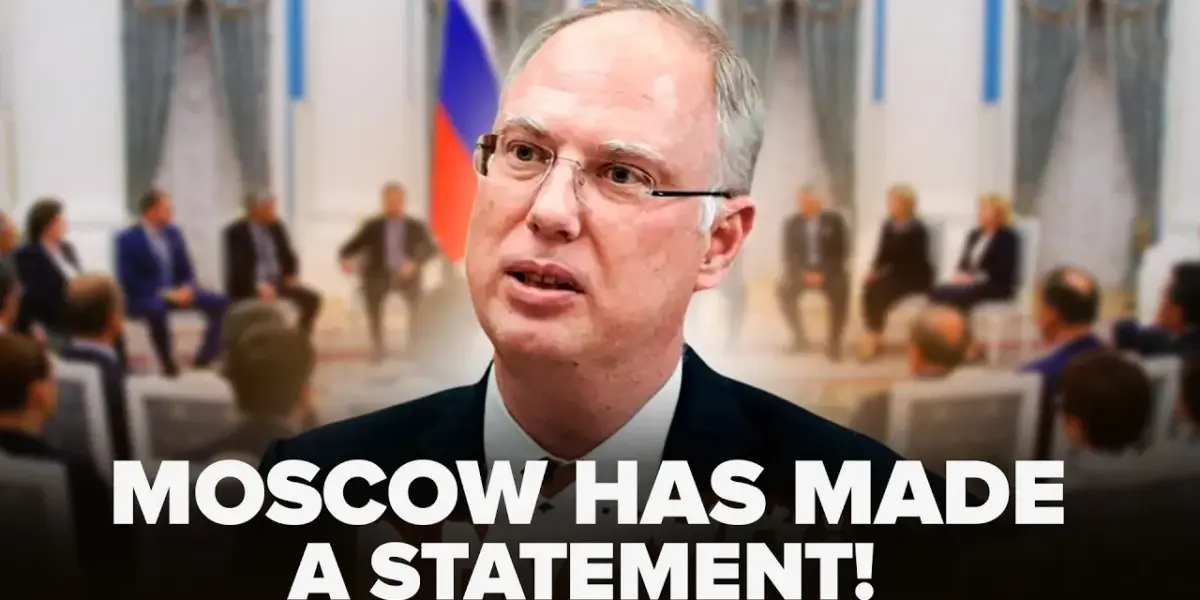
Russia Offers Ukraine Intel Swap for US Aid Cut
Russia has reportedly proposed a surprising deal to the United States. The Kremlin is willing to stop sharing intelligence with Iran. However, this offer comes with a significant condition: the U.S. must cut its support for Ukraine. Washington has already rejected this proposal. The mere existence of such an offer has sparked concern among European diplomats, who fear Moscow is trying to create division between the U.S. and Europe at a crucial time.
US Rejects Russian Deal Over Ukraine Aid
According to Politico, the proposal was discussed behind closed doors and reportedly came directly from Russian officials. The offer was framed as a quid pro quo. Sources indicate that Russian envoys presented the idea to U.S. officials during a meeting in Miami. The United States, however, firmly rejected the proposal. This rejection comes as intelligence sharing remains a vital component of U.S. support for Ukraine, especially after previous reductions in financial and military aid.
Kremlin Denies Deal Proposal
Russian officials have denied the reports. Kremlin spokesman Dmitry Peskov called the claims “fake.” He published a statement on X, sharing the Politico article and describing it with a single word: “fake.” Despite the denial, the report has already raised alarms in Europe.
Alleged Plot to Assassinate Orban Surfaces
Adding to the complex geopolitical picture, European intelligence reports suggest the Kremlin may have also plotted an assassination attempt on Hungarian Prime Minister Viktor Orban. The alleged goal was to boost his ratings ahead of upcoming parliamentary elections. This information comes from the Washington Post, citing European intelligence sources. An internal report obtained by these sources outlined a strategy to shift the election campaign’s focus from economic issues to national security and stability, potentially through such an incident.
So far, no physical attacks on Orban have been reported. However, the intelligence highlights Russia’s perceived interest in the Hungarian elections. Both Orban’s spokesman and the Kremlin have dismissed these reports as baseless.
Russia Tightens Domestic Control Amid War Concerns
Meanwhile, Russia is reportedly increasing its control over its digital space and expanding the powers of its security forces. Reuters reports that disruptions to mobile internet are becoming more frequent. Authorities are also blocking popular services and introducing new restrictions. These measures are said to be in response to fears of public discontent following the war in Ukraine. The Kremlin states these actions are for security reasons, including countering drone threats.
New laws are also strengthening the FSB’s powers, giving them greater control over communications and broader detention abilities. Security experts suggest these moves are part of a broader preparation for potential instability, whether the war ends or continues. This fear is rooted in historical events, such as the collapse of the Soviet Union after the war in Afghanistan.
Europe Considers Delaying Russian Energy Import Ban
The European Union may be reconsidering its plans to ban imports of Russian oil and gas. This potential delay is linked to disruptions in energy supplies from the Persian Gulf, caused by the ongoing conflict involving the United States and Israel against Iran. According to Bloomberg, this situation has forced Brussels to re-evaluate the timing of its restrictions.
The EU had planned to stop buying Russian gas, intending to compensate with supplies from the Middle East. However, the blockage of the Strait of Hormuz, a critical global energy artery, has jeopardized these plans. The Strait handles a significant portion of global oil and natural gas shipments. Sources indicate that Iranian officials are not yet willing to discuss reopening the route. Even if the conflict ends, ship owners may remain hesitant to use this trade route for some time.
The European Commission is expected to review proposals to halt Russian oil imports around April 15th, with a delay considered likely. Earlier statements from Brussels indicated plans to stop all Russian liquefied natural gas imports by the end of the year, but the current geopolitical climate is forcing a reassessment.
US Temporarily Eases Sanctions on Iranian Oil
In a related development, the United States has temporarily lifted some sanctions on Iranian oil. U.S. Treasury Secretary Janet Yellen announced Washington is granting short-term permission for the sale of Iranian oil already at sea. The aim is to ease pressure on global energy markets. This measure is expected to release approximately 140 million barrels of oil, potentially increasing supply and reducing price pressures. However, U.S. officials stress that sanctions on Iran largely remain in place, limiting its access to revenues and the international financial system.
Russia Stands to Profit from Middle East Conflict
The ongoing war in the Middle East is significantly impacting global energy markets and is expected to benefit Russia. Economists estimate Russia could earn up to $250 billion in additional oil revenues due to rising energy prices. Analysis from the Kiel Institute suggests that the duration of the Middle East conflict directly correlates with Russia’s potential earnings. If the conflict ends quickly, Russia’s additional earnings would be lower, around $84 billion. If the war continues for several months, oil prices could surge, leading to significantly higher revenues for Moscow.
This influx of revenue could reduce Russia’s interest in ending the war in Ukraine. This scenario suggests Europe may need to provide even more support to Ukraine, potentially leading to further loss of life.
Drone Factory Fire in Czech Republic Under Investigation
A factory in the Czech Republic that produced drones for Ukraine has been damaged by fire. The incident occurred in the city of Pardubice. The plant was manufacturing unmanned aerial vehicles for supply to Ukraine. Preliminary reports suggest a group called the “Earthquake Fraction” claimed responsibility, protesting against Israeli weapons. The building houses a company that works with an Israeli firm to design and produce drones, some of which are supplied to Ukraine.
While the fire’s immediate impact on drone deliveries is reportedly minimal, the incident is being investigated. Czech authorities are exploring various explanations, including possible sabotage. The statement from the alleged perpetrators referencing Gaza has raised questions, given the timing and current phase of that conflict.
Source: 😱Kremlin has proposed a deal to US! Putin is going all in. Urgent changes in war (YouTube)

Related Articles

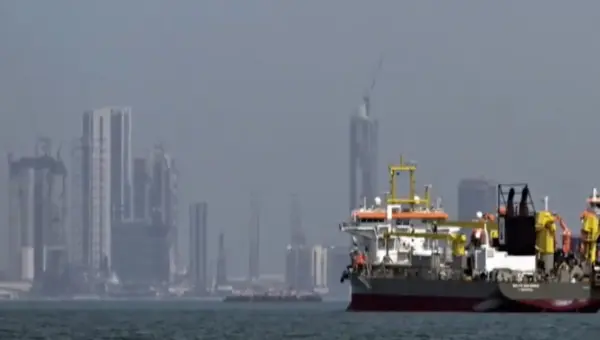
Iran Blocks China Ships, Exposing Beijing’s Weak Grip
Iran's recent decision to block Chinese ships at the Strait of Hormuz is exposing the limits of Beijing's influence in the Middle East. This action is causing delays and cancellations for Chinese manufacturers, turning a perceived geopolitical win into an economic strain.
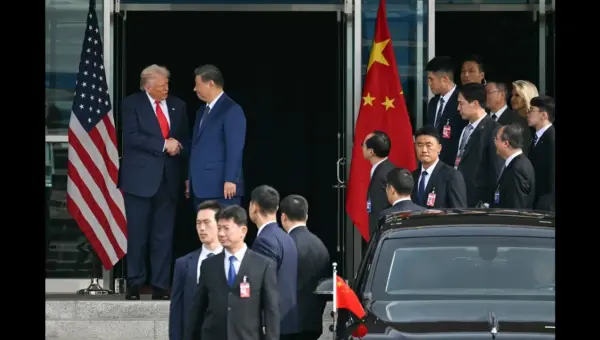
Trump’s “Walk Away” Tactic Signals Tougher Stance on China
Retired Air Force Brigadier General David Stillwell believes President Trump's strategy of being willing to walk away from negotiations puts pressure on China. This tactic, combined with US global actions and strengthened alliances, signals a more assertive American foreign policy.

China Fights Back: Tariffs Loom Ahead of Trump Visit
China is retaliating against US trade investigations that could lead to higher tariffs. This escalating trade tension occurs just before a planned visit by President Trump. The dispute involves accusations of unfair practices and impacts global supply chains.