Russia Lashes Out: Space Threats and Drone Chaos Erupt
Russia faces severe communication disruptions after Ukraine successfully cut off its access to Starlink satellite internet. This has triggered panic within the Russian military and led to extreme rhetoric from state media, including threats of nuclear war in space. The incident highlights Ukraine's growing technological prowess and Moscow's increasing desperation.

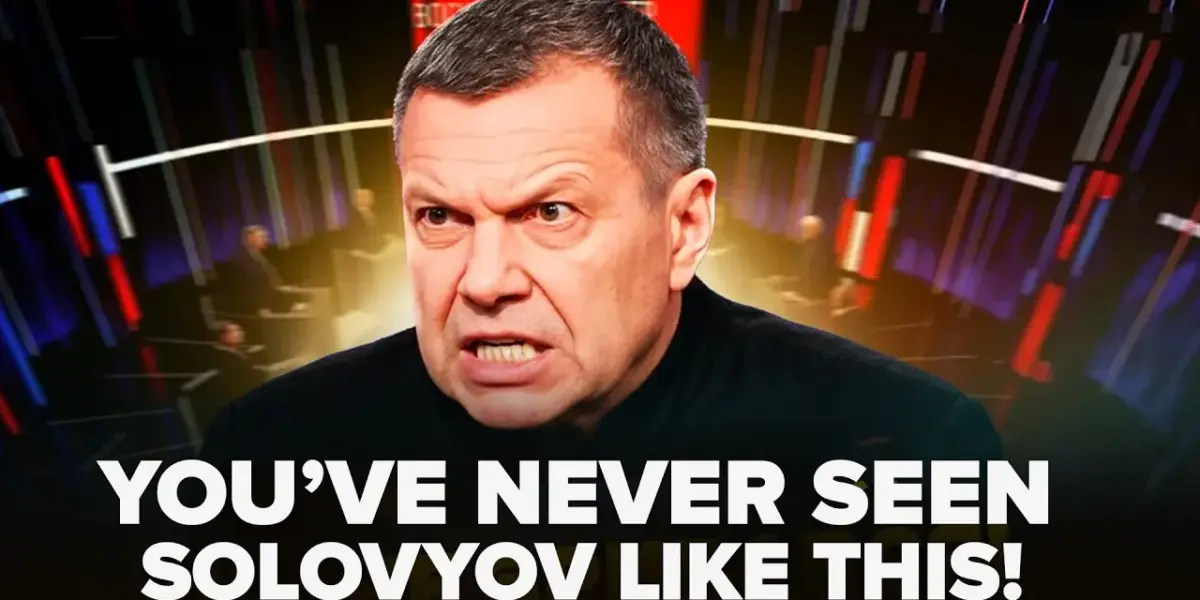
Russia Lashes Out: Space Threats and Drone Chaos Erupt
In a dramatic escalation of rhetoric and a stark admission of technological vulnerability, Russian state media has revealed deep-seated anxieties and aggressive posturing following Ukraine’s successful disruption of Moscow’s drone operations. The situation, marked by threats of space-based nuclear strikes and internal panic among Russian war correspondents, underscores a critical turning point in the conflict, potentially reshaping the technological battlefield and increasing tensions with Western nations.
Starlink Disruption Triggers Panic and Extreme Threats
The crisis for Russia’s military communications began in early 2026 when a Russian strike drone narrowly missed its target in Kyiv. This incident, detailed by journalist Simon Schuster in The Atlantic, prompted Ukraine’s Minister of Defense, Mikail Fedorov, to directly engage with Elon Musk. Providing evidence of Russia’s widespread use of SpaceX’s Starlink system for long-range drone control, Ukraine secured a crucial advantage. Following intense consultations, SpaceX implemented a software whitelist exclusively for Ukrainian users, effectively severing Russian forces from the network on February 2, 2026. This move crippled Russian military operations, leading to widespread communication failures and panic among war correspondents who openly admitted the lack of viable alternatives to Starlink.
“There is simply no alternative to this satellite internet within the Russian armed forces. A great deal of military coordination depended on it and was taken for granted.”
— Voenniy Oboz Telegram channel
The loss of stable communication severely hampered Russia’s ability to control drones and coordinate defenses. Commander-in-Chief of the Armed Forces of Ukraine, Alexander Syrskyi, noted that Ukrainian forces swiftly exploited this weakness. President Volodymyr Zelenskyy added that over 300 square kilometers of territory were liberated in the first three weeks of February alone, directly attributing this success to the collapse of enemy communications. Serhiy Bashtyr, an advisor to the Ministry of Defense and communications specialist, described the chaos as a “catastrophe” for the Russian army, forcing a halt to offensive operations in many sectors.
Propaganda Unleashes Nuclear Rhetoric and Blame
The technological setback did not go unnoticed by Kremlin propagandists. Vladimir Solovyov, a prominent state media host, openly acknowledged Russia’s inability to match Starlink’s capabilities. In a shocking turn, Solovyov suggested detonating a nuclear weapon in space as a retaliatory measure against Elon Musk and SpaceX. During his show on the Russia One television channel, he argued that Musk’s ventures served the war against Russia and that his satellites should be considered a legitimate target.
“Everything Musk has worked on, everything we see today serves the war against Russia. So, I don’t understand why Elon Musk’s satellites are not a legitimate target for us. One nuclear explosion in space would seriously solve this problem.”
— Vladimir Solovyov
Despite a guest pointing out that a nuclear detonation in space would be indiscriminate and affect Russian satellites, Solovyov dismissed the concern, sarcastically suggesting Russia would revert to “carrier pigeons” due to its perceived technological backwardness. He framed Starlink as the “militarization of space” by the West, aimed solely at waging war against Russia.
Internal Dissent and Shifting Alliances
The repercussions of the Starlink disruption extended to internal dissent within Russian media. Military blogger Kirill Fedorov was reportedly fired from Solovyov’s TV channel after praising Ukrainian drones and suggesting a potential future conflict between Russia and China. Fedorov had noted the superior stability and electronic warfare resistance of Ukrainian drone systems, advising Moscow to seek partners like India rather than China, which he identified as a potential future adversary.
Meanwhile, evidence emerges of China’s indirect support for Russia’s war effort. Bloomberg journalists discovered that shell companies in Thailand have become a conduit for Chinese drone exports to Russia. Despite Beijing’s official stance of neutrality, drone imports into Thailand have surged, with most being re-exported to Russia. A US State Department spokesperson noted that China provides approximately 80% of the “dual-use components” imported by the Russian Federation, highlighting a complex web of technological and material support.
Escalating Threats Against Europe and NATO
Beyond Ukraine, Russian propaganda has increasingly targeted European nations. On Solovyov’s show, discussions have included dreams of destroying Warsaw, Krakow, and Gdansk, with accusations of Poland allegedly planning an attack on Belarus. Solovyov has threatened that Russia would respond with a “powerful nuclear strike” and “wipe Poland off the map.” He has also spoken of Russian forces entering Berlin, Paris, and Vienna, framing such actions as necessary responses.
This aggressive rhetoric is mirrored by a growing awareness within European Union and NATO countries of a potential direct conflict with Russia. In January 2026, Lieutenant General Gerald Funk of the German armed forces warned that Russia could attack NATO countries within two to three years, emphasizing the need to prepare for such a scenario. NATO Secretary General Jens Stoltenberg had previously cautioned member states in December 2025 that they could be Russia’s next target, urging immediate action due to Moscow’s growing boldness and recklessness.
The Shadow War and the Road Ahead
The threats broadcast on Russian federal television, shaping the worldview of millions, are increasingly seen not just as rhetoric but as indicators of intent. While Ukrainians have grown accustomed to recognizing the scale of Russian propaganda, many in Europe are still coming to terms with its true nature and potential consequences. Since February 2022, 151 documented cases of sabotage, arson, and other hybrid attacks linked to Russia have occurred across Europe. The question remains when this “shadow war” might escalate into open aggression, and whether Europe is sufficiently prepared for the harsh realities articulated by Russian state media.
Source: 😱Solovyov’s threats live on air! Wild yells in Kremlin. Moscow regime delivered chilling statement (YouTube)

Related Articles
Ukraine Strikes Russian Oil Refinery, Eyes Iran Threat
Ukrainian forces struck a key Russian oil refinery, disrupting Moscow's war capabilities. Meanwhile, Finland's president urged continued U.S. support for Ukraine, as Kyiv shares its air defense expertise globally amid growing geopolitical complexities involving Iran and potential sanctions against Hungary.


Trump Halts Iran Strikes Amid Stalled Diplomacy
President Trump announced a pause on planned strikes against Iran, citing productive talks, though Iran denies negotiations occurred. Reports also suggest a potential U.S. ground operation on Iran's Hark Island. The situation raises concerns about international support for Ukraine and potential shifts in U.S. foreign policy.


G7 Allies Clash Over Iran War Strategy, Urge Focus on Russia
G7 foreign ministers met in Paris, revealing deep divisions over the U.S. war with Iran. European allies urged the U.S. to pressure Russia, linking its actions to the conflict and fearing support for Ukraine will wane.