Russia Faces Strain, Seeks Ukraine War End: Analyst
Russia faces military strains and may be seeking an end to the Ukraine war, according to analyst Michael Shetleman. President Zelenskyy is open to direct talks, but negotiations remain stalled. The U.S. commitment to European defense and potential weapon diversions were also discussed.

Russia Faces Strain, Seeks Ukraine War End: Analyst
Russia appears to be facing significant challenges on the front lines in Ukraine, potentially pushing Moscow to seek an end to the conflict. This assessment comes from political strategist Michael Shetleman, who suggests that Russia’s military is experiencing a clear lack of soldiers and heavy equipment. “We obviously have a lack of weapon and the lack of finance and the lack of military staff,” Shetleman stated. This situation, he believes, gives Putin a reason to consider ending the war.
Zelenskyy Open to Direct Talks with Putin
Amidst these battlefield pressures, Ukrainian President Volodymyr Zelenskyy has expressed readiness for direct, one-on-one talks with Russian President Vladimir Putin. The goal would be to end the ongoing war. However, Shetleman notes that negotiations remain stalled. Russia claims it has presented its proposals, but sees no positive response from Ukraine. Ukraine, in turn, states it has no progress in its discussions and does not see negotiations as a promising path forward. Both sides have differing plans for peace, which do not align.
US Role in European Defense Questioned
The discussion also touched upon the United States’ commitment to European security. Former President Donald Trump has suggested that Europe should handle its own defense, even if Russia were to attack. “Defense of Europe is European deal and not United States deal,” Shetleman explained, referencing Trump’s stance. This comes as NATO countries’ military budgets have collectively surpassed 2% of their GDP, a key benchmark. However, Shetleman raised a critical question: what would be the role of American troops stationed in Europe, such as tanks near Latvia and soldiers in Poland, if Russia were to attack.
New Russian Leadership for Negotiations?
An article in The New York Times, written by a Russian novelist and critic of the Putin regime, suggested that Putin was looking for ways to end the war and might change his negotiating team. The author proposed that Putin could replace Igor Sechin, a close associate and head of the state-owned oil company Rosneft, with a family member. Shetleman found this specific detail realistic, noting that Sechin’s company is already under sanctions. However, he questioned the article’s broader claim that Putin’s strategy shifted due to the war in the Middle East or his hopes about Donald Trump’s future political standing.
Baltic Airspace Claims Spark Debate
Reports emerged suggesting that Lithuania, Latvia, and Estonia might have opened their airspace for Ukrainian attacks on St. Petersburg and the Leningrad region. Shetleman expressed skepticism about the accuracy of these reports. He described such an operation as extremely complex, potentially involving multiple NATO countries. “If four NATO countries participate in this operation, it means that this is operation of NATO not of the states,” he explained. He suggested these claims might be a Russian narrative designed to justify potential future aggression. Shetleman pointed to a German newspaper report that outlined a supposed Russian plan to attack the Baltic states. He theorized that Russia might use the claim of Baltic airspace being used for attacks as a pretext for such actions.
Weapons Supply to Ukraine Continues Amidst Geopolitical Shifts
Concerns were raised about the potential diversion of weapons intended for Ukraine to the Middle East. Shetleman, however, expressed more trust in statements from President Zelenskyy and NATO Secretary General Jens Stoltenberg, who indicated that Ukraine continues to receive its planned missile supplies. He explained that these weapons are often produced by private companies under contracts with NATO, not directly by the Pentagon. Halting these supplies would mean breaking existing contracts and a breach of trust. While new weapon deliveries might be impacted by conflicts in the Middle East, existing contracted supplies appear to be proceeding.
Minor Diplomatic Engagements Highlighted
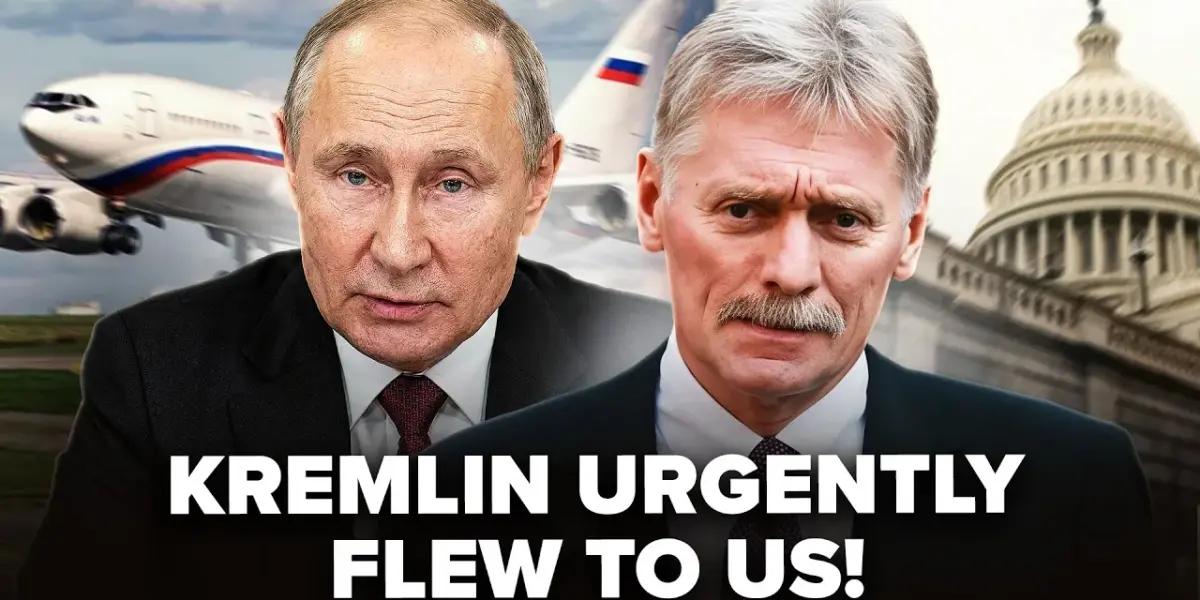
Shetleman downplayed the significance of a recent Russian delegation visit to the U.S. He described it as a minor event, orchestrated by a single pro-Russian congresswoman, not a reflection of broader U.S. congressional policy. He noted that Russia often uses such visits for propaganda purposes, but they do not indicate any real cooperation or shift in U.S.-Russia relations.
Trump’s China Visit Plans Contingent on Middle East War
Plans for a potential meeting between Donald Trump and Chinese President Xi Jinping in May were also discussed. Shetleman suggested the visit’s timing is tied to the ongoing conflict in the Middle East. Trump reportedly aimed to secure a strong negotiating position on trade tariffs by influencing oil supplies to China. The duration of the Middle East conflict could influence when this meeting, and subsequent discussions on tariffs and potential Chinese support for Russia, might occur. Shetleman noted that a new trade agreement could potentially include China ceasing its supply of certain components to Russia, which could impact the war.
Lukashenko’s Limited Travel Options
Belarusian President Alexander Lukashenko’s recent trip to North Korea was framed not as a political choice, but a matter of geographical necessity. Shetleman explained that due to sanctions and political tensions, Lukashenko has very few options for international travel outside of Russia. He cannot fly over European Union countries or Ukraine, leaving Russia as his only transit route. Therefore, his visit to North Korea was approved by President Putin, highlighting Belarus’s constrained foreign policy options.
Source: 😱Urgent meeting in the US! Putin sent a delegation. Zelenskyy responded @TheBriefRight (YouTube)

Related Articles

G7 Allies Clash Over Iran War Strategy, Urge Focus on Russia
G7 foreign ministers met in Paris, revealing deep divisions over the U.S. war with Iran. European allies urged the U.S. to pressure Russia, linking its actions to the conflict and fearing support for Ukraine will wane.

Iran Blocks China Ships, Exposing Beijing’s Weak Grip
Iran's recent decision to block Chinese ships at the Strait of Hormuz is exposing the limits of Beijing's influence in the Middle East. This action is causing delays and cancellations for Chinese manufacturers, turning a perceived geopolitical win into an economic strain.
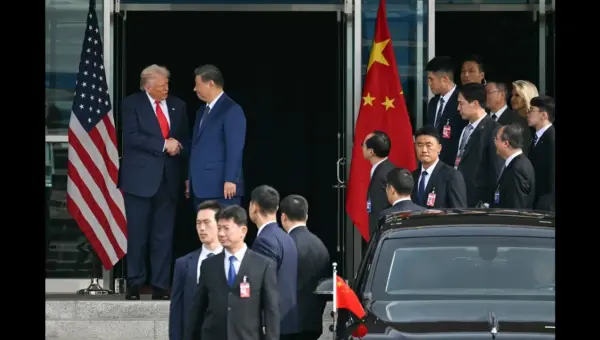
Trump’s “Walk Away” Tactic Signals Tougher Stance on China
Retired Air Force Brigadier General David Stillwell believes President Trump's strategy of being willing to walk away from negotiations puts pressure on China. This tactic, combined with US global actions and strengthened alliances, signals a more assertive American foreign policy.