Russia Faces Soldier Shortage, Faces Strategic Setbacks
Russia faces a critical shortage of soldiers, struggling to recruit enough personnel to sustain its war effort. This manpower crisis, coupled with Ukraine's tactical successes and evolving Western support, positions Moscow for potential strategic setbacks. The conflict's duration and outcome hinge on continued aid and a unified European defense strategy.

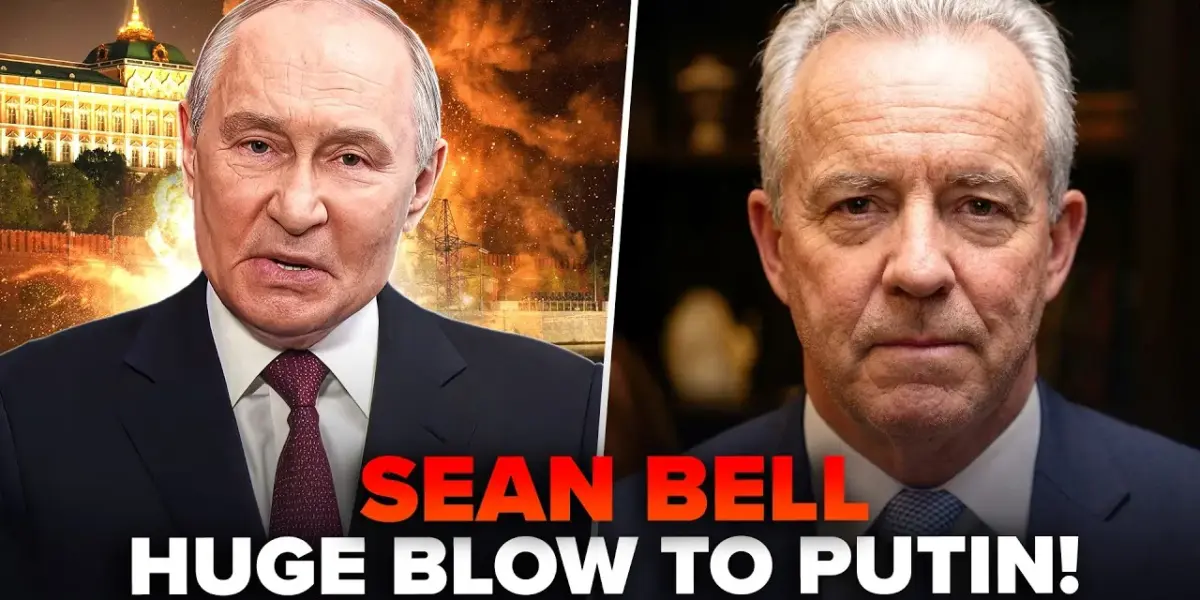
Russia’s Manpower Crisis Deepens Amid Battlefield Challenges
Western intelligence assessments suggest Russia is now losing more soldiers than it can recruit, a critical development impacting its long-term military capabilities. This manpower shortage follows earlier attempts by Moscow to bolster its forces through unconventional means. The Wagner Group, under Yevgeny Prigozhin, previously recruited from Russian prisons. Russia also sought personnel from North Korea and other countries, promising significant financial incentives. However, many recruits were reportedly sent directly to the front lines upon arrival, leading to disillusionment and a reluctance to serve.
These recruitment issues are occurring even as Russia benefits from the lifting of some oil sanctions, though the overall economic situation remains challenging for President Putin. The continued fighting raises questions about Russia’s strategic objectives and its ability to sustain a prolonged conflict. Military analysts warn that Russia’s current approach could leave it vulnerable to well-timed Ukrainian counterattacks, a scenario President Putin would likely seek to avoid.
Ukraine’s Territorial Gains and Tactical Opportunities
Recent reports indicate that Ukraine has regained more territory than it lost in late February, a shift from previous trends. However, the Institute for the Study of War highlights that many of these gains involve villages and surrounding fields, lacking significant strategic value. While these are positive developments for Ukrainian morale and demonstrate their continued offensive capabilities, they are described as more of a “mopping up” operation rather than major strategic victories.
Military doctrine suggests that the initial stages of an offensive are the most vulnerable periods for attacking forces. This is because they are still establishing supply lines, communications, and defensive positions like trenches. Therefore, the period immediately following an enemy’s advance, before they have fully consolidated their gains, presents the best opportunity for a counterattack. Ukraine’s ability to quickly retake some territory indicates its forces are not merely defensive but capable of forward movement, which is a positive sign.
The High Cost of Offensives for Ukraine
Despite Ukraine’s demonstrated capability, offensive operations inherently carry higher casualties than defensive ones. Soldiers on the offense must leave the relative safety of their trenches to advance against enemy positions. This makes them more exposed to enemy fire, leading to greater losses. The transcript notes that Russian forces are under orders to prevent retreats, meaning any Ukrainian advance that causes Russian soldiers to flee could result in significant casualties for Russia.
However, a large-scale Ukrainian offensive to expel all Russian forces, including from Crimea, is considered highly unlikely due to a shortage of available Ukrainian soldiers. Even pushing Russian forces back across all of Ukraine, excluding Crimea, would be an immense undertaking. A more achievable goal might be to halt Russian advances and push them back moderately. This could potentially lead to a stalemate, prompting President Putin to negotiate to avoid losing previously gained territory.
Strategic Implications and Future Security Guarantees
The primary goal for Ukraine remains to stop the war and prevent future Russian aggression. This involves securing the nation and potentially establishing international security guarantees. Advanced planning is reportedly underway to support Ukraine, possibly involving significant contributions from the United States and European nations. The deployment of European soldiers to Ukraine could act as a deterrent against further Russian advances, providing a crucial layer of security.
The prospect of long-term security guarantees is being discussed in anticipation of the war’s end. If President Putin remains unwilling to cease hostilities, future planning for a decade or more will be necessary. Russia’s current strategic calculus appears to be based on a belief that it can eventually achieve its objectives, potentially by outlasting Western support for Ukraine or by capitalizing on perceived shifts in American foreign policy. President Putin may feel emboldened by the belief that former President Trump favors a quicker end to the war, potentially at Ukraine’s expense.
Western Hesitation and the Evolving Threat Perception
There is concern that statements from former President Trump, questioning why Ukraine isn’t reaching a deal or blaming President Zelenskyy, could embolden Russia. The reluctance to provide advanced weaponry, such as Tomahawk missiles or long-range systems, is seen as a missed opportunity that could have significantly shifted the war’s dynamics in Ukraine’s favor.
This hesitation is partly attributed to a broader re-evaluation of American foreign policy, with an “America First” approach potentially diminishing focus on European security. If the U.S. views its primary strategic competition in the Eastern Hemisphere with China, conflicts in Europe might be seen as regional disputes rather than direct American interests. This perspective could lead to a situation where Russia’s actions are viewed as a conflict between Russia and Europe, rather than a direct threat to the United States.
Lessons from Western Military Aid and Future Potential
Looking back at the initial stages of the war, the West was surprised by Ukraine’s resilience against the Russian onslaught. The provision of advanced weaponry, such as anti-tank missiles, tanks, and later long-range missiles like Storm Shadow and F-16 fighter jets, followed a prolonged period of deliberation. Military analysts question whether earlier decisions to supply these systems could have altered the war’s outcome.
The perception of the threat is evolving. As the U.S. appears to be reducing its commitment to NATO, and Russia seems emboldened, European nations are increasingly viewing the Russian threat as extending beyond Ukraine to their own security. This growing realization is prompting increased defense spending and military development within Europe. Countries like Poland are actively enhancing their capabilities and learning from Ukraine’s combat experience.
Changing Dynamics and Strategic Opportunities
The current hesitation among Western allies to fully commit to supporting Ukraine is being re-examined at senior political and military levels. There is a growing consensus that allowing Ukraine to lose is not an option. While direct combatant deployment is unlikely, providing advanced technology and capabilities could significantly alter the strategic calculus for President Putin.
For instance, the ability of Ukraine to launch a surprise attack on Crimea, or even threaten its recapture, would represent a strategic disaster for Russia. Such a possibility could force President Putin to seriously consider negotiations due to the immense historical and strategic importance of Crimea. This evolving threat perception suggests that the conflict is increasingly being viewed not just as a threat to Ukraine, but as a direct challenge to European security, necessitating a more robust Western response.
The Role of Air Power and F-16s
The introduction of Western air power, such as a no-fly zone or the earlier deployment of F-16s, could have significantly impacted the war. Russia, it is argued, would have had little answer to superior Western air capabilities. While the decision to intervene directly is left to historians, the focus for military professionals is on current and future actions.
Learning from past decisions and adapting strategies is crucial. The F-16s, while a valuable asset, may not be utilized to their full potential due to Ukraine’s current operational structure. Unlike independent air forces in the West, Ukrainian aircraft are often integrated with army units, leading to different deployment methods. A more independent and strategic use of F-16s could provide Ukraine with a significant advantage, altering the battlefield dynamics in its favor.
Source: ⚡️Putin’s hidden WEAKNESS revealed! Moscow is running out of SOLDIERS @WorldatStake24 (YouTube)

Related Articles


Trump’s War Talk Distracts as World Burns
As global conflicts escalate and economic pressures mount, Donald Trump's focus on past grievances and symbolic wins overshadows pressing issues. His rhetoric, including questionable claims about ending wars and strategic use of terminology to bypass Congress, raises concerns about leadership and national priorities.

Iran Extends Strait of Hormuz Deadline Amid Global Oil Tensions
The U.S. has granted Iran a 10-day extension to reopen the Strait of Hormuz, a critical global oil route. This move comes amid complex negotiations, military actions, and concerns over Iran's strategic leverage and resilience. Lawmakers express frustration over the lack of a clear strategy and potential escalation.

Iran Tensions Rise, Airport Chaos Looms
Global tensions escalate as Iran war concerns impact oil prices and stock markets. Simultaneously, a potential end to the TSA worker pay crisis is in sight with a presidential order. In personal news, Savannah Guthrie shares new details about her mother's kidnapping, while the family of an Idaho murder victim champions a new law protecting victims' privacy. Finally, Nicolas Maduro challenges his indictment in a New York court over legal fees.