Russia Faces Retail Collapse Amid Economic Crisis
Russia is experiencing a significant retail sector collapse, with thousands of shops closing in major cities like Moscow and St. Petersburg. This trend, driven by declining consumer demand, high food inflation, and increased taxes, is unprecedented in 25 years and signals a deepening economic crisis.

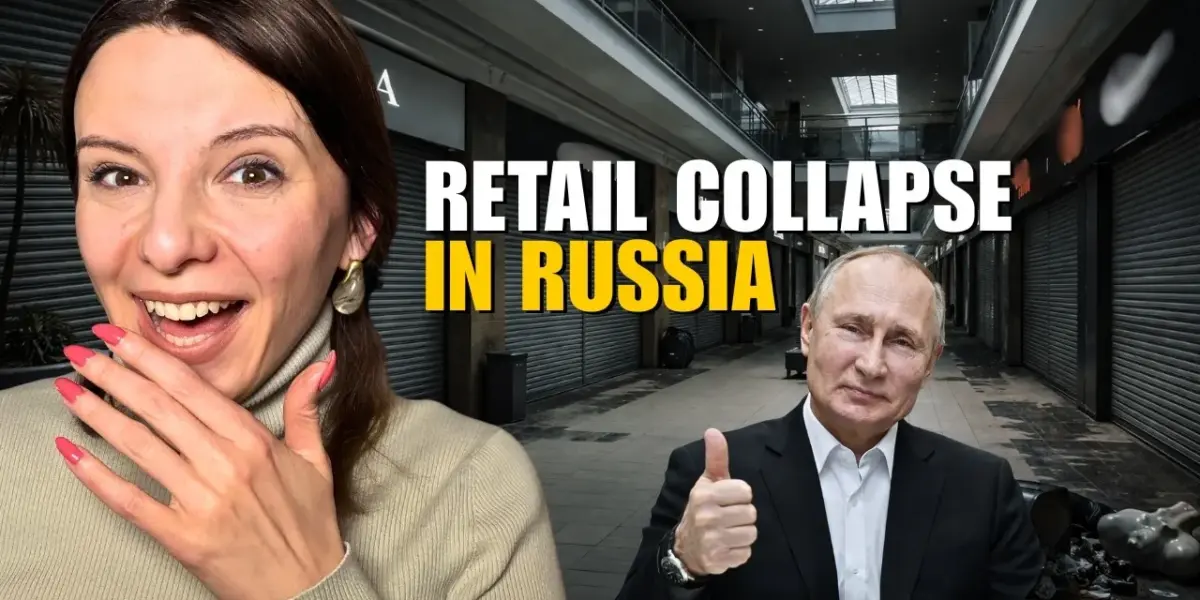
Russia’s Retail Sector Shrinks as Economic Woes Mount
Thousands of shops are closing across Russia, signaling a significant economic downturn. This trend is particularly noticeable in major cities like Moscow and St. Petersburg, but the situation is reportedly worse in regional centers where residents traditionally have less disposable income. These closures highlight a growing economic crisis and financial strain on ordinary Russians, exacerbated by increasing taxes that are crippling small businesses.
Economic Downturn Hits Major Cities
In Moscow, Russia’s wealthiest city, approximately 4,500 shops have closed this year. The capital, which previously hosted around 82,500 retail establishments, has seen a nearly 5% reduction in its shops. Similarly, St. Petersburg, a city with deep historical ties to President Putin’s political career, experienced a decline from 44,000 shops at the start of the year to 42,000 by its end, a loss of 2,000 businesses.
This wave of closures began in Russia’s most affluent cities and is now spreading nationwide. Experts suggest the situation is more dire in areas further from Moscow. The scale of these closures is unprecedented in Russia for at least 25 years, a period coinciding with Vladimir Putin’s time in power.
Key Factors Driving Closures
Several factors are contributing to this retail contraction. A primary driver is the decline in consumer demand. Many Russians are facing difficulties accessing their money from ATMs, leading to a lack of trust in banks. As a result, people are withdrawing cash and hoarding it, reducing their spending on non-essential items like clothing and even basic food supplies.
Another significant factor is high food inflation. Russians are reportedly spending over half of their income on food. Despite efforts by the Russian central bank and finance ministry to downplay inflation figures, its impact is visible. Reports indicate that even basic products like cheese and butter are now being secured with plastic cages in supermarkets, a measure usually reserved for high-value items. This suggests these everyday goods are becoming unaffordable luxuries for many.
Rising taxes are also taking a heavy toll on small and medium-sized businesses. The threshold for Value Added Tax (VAT) payments was lowered significantly, from 60 million rubles in turnover to 20 million. Many businesses cannot sustain this increased tax burden and are choosing to close rather than face financial ruin.
Internet Disruptions Add to Woes
Compounding these economic challenges are internet shutdowns and restrictions in major cities and regional centers. Modern retail heavily relies on online platforms for sales, payments, and logistics. The inability to access the internet disrupts these operations, further squeezing businesses that depend on online commerce. Some individuals reportedly have to travel to countries like Georgia or Kazakhstan simply to check their emails.
Strategic Implications
The widespread closure of retail businesses indicates a severe economic crisis unfolding in Russia. This situation contrasts sharply with the Kremlin’s official narrative and suggests deep-seated problems within the Russian economy. The decline in consumer spending and the struggles of small businesses point to a reduction in overall economic activity and potentially lower tax revenues for the government.
Historically, economic hardship and a decline in living standards have often been catalysts for social unrest. The current situation, marked by empty shelves, struggling businesses, and financial insecurity, could fuel growing dissatisfaction among the Russian population. The government’s response, including tax increases and internet restrictions, may further alienate citizens and contribute to instability.
The economic pressure on Russia, stemming from both internal mismanagement and external factors, appears to be creating a cascade of negative consequences. The retail collapse is not just an economic event; it is a visible manifestation of broader systemic issues that could have significant social and political ramifications for the country’s future.
Source: RUSSIA’S RETAIL COLLAPSE BEGINS: EMPTY SHELVES, CLOSED STORES Vlog 1364: War in Ukraine (YouTube)

Related Articles

Global Economy Faces Emergency as Iran Conflict Escalates
A widening conflict involving Iran has escalated into a global economic emergency. Disruptions to key shipping routes have slashed oil supplies by 11 million barrels daily, pushing prices above $115 and fueling inflation. The crisis threatens widespread shortages and a potential global recession.


Powell Signals Fed’s Rate Pause: What It Means for Investors
Federal Reserve Chair Jerome Powell hinted at a potential pause in interest rate hikes during a recent Harvard appearance. This signals a possible shift in the Fed's strategy to combat inflation, offering relief to investors. The central bank remains focused on bringing inflation down to its 2% target.


Fuel Prices Soar Amid Global Conflict, Threatening UK Inflation
Global conflict in Iran is driving up fuel prices worldwide, causing significant concern in the UK. The Road Haulage Association reports a 35% surge in diesel costs, threatening to increase food prices and impacting businesses. Experts warn of potential supply issues, while consumers are already changing habits due to rising costs.