Russia Faces Recruitment Crisis Amidst Escalating War Effort
Russia faces a severe military recruitment crisis, resorting to hefty financial incentives and facing public distrust. The Kremlin's desperate measures to bolster its ranks are linked to the costly 2022 draft exodus and an increasingly unpopular war effort. Growing societal divisions and financial strain suggest the current situation could pose a significant challenge to Vladimir Putin's regime.

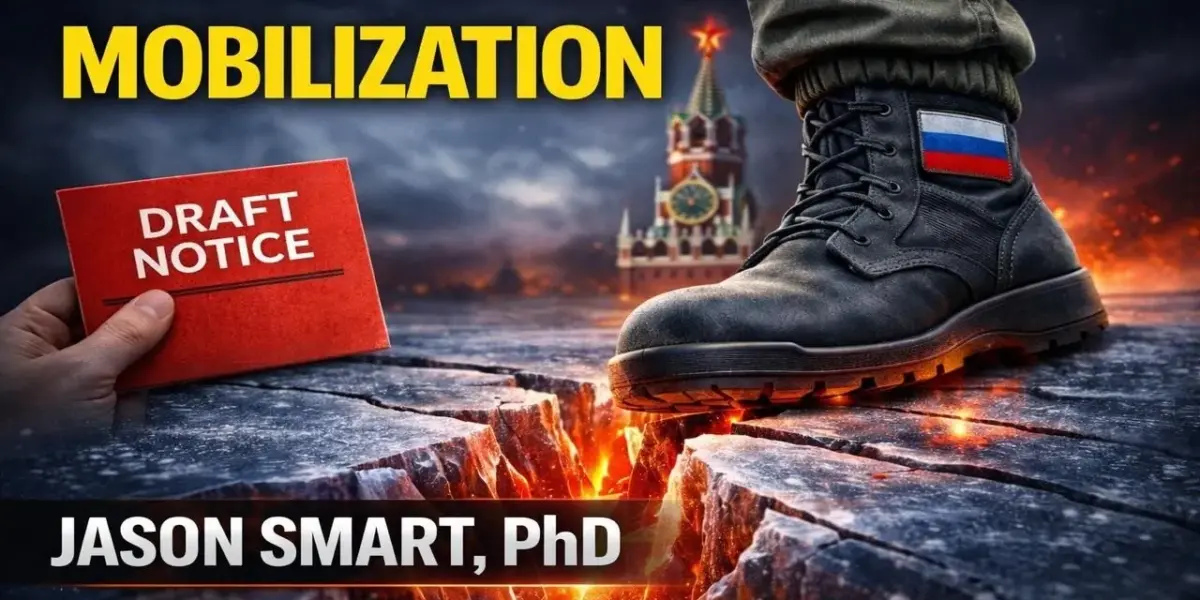
Russia’s Military Recruitment Strains Under War Pressure
The Kremlin is grappling with a severe military recruitment crisis, resorting to increasingly costly and desperate measures to fill its ranks for the ongoing conflict. Despite official assurances that all is under control and boasts of 400,000 contracted soldiers, evidence suggests a growing urgency and difficulty in finding willing recruits. In major cities like St. Petersburg, the government is reportedly offering substantial financial incentives, upwards of $45,000, to join the military. This strategy indicates a significant departure from normal recruitment, evolving into a system of financial bribery and administrative pressure, as easier avenues for manpower have been exhausted.
The Shadow of the 2022 Exodus
This shift is largely driven by Vladimir Putin’s deep-seated fear of repeating the chaotic and politically costly events of 2022. During that period, a visible exodus of approximately 800,000 to 900,000 Russians fled the country to avoid a military draft. An estimated 650,000 of these individuals remain abroad, representing about 1% of Russia’s entire workforce. The economic impact was also significant, with Russians transferring an estimated $60 to $65 billion out of the country during the same timeframe. The lesson learned by the Kremlin, according to analysts, was to avoid a loud, overt draft in favor of a more gradual, less visible system that distributes the burden across society without causing widespread panic. However, as this quieter system rolls out, awareness is growing, and apprehension about what lies ahead is beginning to spread.
A Desperate Hunt for Soldiers
Jason Smart, a special correspondent and national security advisor, notes that Russia is facing a serious disaster as the war becomes increasingly unpopular domestically. The pool of individuals willing to join the Russian military has been depleted. Those who have not yet enlisted are reportedly reluctant, perceiving military service as a “dead end.” The condition of the Russian military itself is described as dilapidated, with new recruits often being funneled into “assault brigades,” a grim reality that many would pay to avoid, regardless of government incentives. The government’s need for soldiers has become so acute that it has more than doubled the financial incentives for joining, yet this is proving insufficient. This has led to a realization that drafting will likely become necessary, a move expected to significantly complicate matters for Vladimir Putin.
Growing Distrust and Technological Surveillance
The Russian government’s actions are fueling public suspicion. The recent move to restrict platforms like Telegram is seen by some military bloggers as an attempt to prevent the population from organizing against a potential new draft. Additionally, the rollout of the “Marusya” (MAX) communication system, reportedly owned by a relative of Putin’s, raises concerns. This system is described as enabling constant government surveillance, tracking individuals’ locations and activities, which is seen as a convenient tool for a government struggling to find soldiers and potentially facing domestic unrest.
Societal Fissures and Internal Tensions
The struggle for military personnel is exacerbating existing societal divisions within Russia. While official numbers on criminal cases for draft evasion are unreliable, reports indicate an increase. Historically, those from the upper classes could afford to evade service through unofficial means, such as obtaining medical exemptions. However, for the average citizen, this is not an option, leading to resentment and a growing fissure between those who can afford to avoid service and those who cannot. This discontent is amplified by broader tensions within Russian society, including ethnic, regional, and economic disparities, which are not conducive to stability in such a vast and diverse country.
The Role of the National Guard and Unpopular Gains
Russia maintains a large National Guard, numbering between 350,000 and 400,000 soldiers under Viktor Zolotov, a close confidant of Putin’s. A key role for this force appears to be the apprehension of draft dodgers and the suppression of internal insurrections. The government’s concern about domestic unrest is linked to the military’s high casualty rates and the perceived lack of attractive prospects for soldiers. Reports suggest Russia is losing approximately 100 to 150 troops per square kilometer in certain areas, painting a grim picture for those on the front lines. While Russia has made territorial gains in 2024 and 2025, these have come at an immense cost, raising questions about whether the average Russian, particularly in major cities, cares about these distant and often obscure villages.
Putin’s Elite and the War Economy
The war’s continuation is seen by some as being driven by the economic interests of an oligarchy close to Vladimir Putin. The conflict is reportedly highly profitable for businesses and factories producing military goods. This financial incentive, it is suggested, ensures the loyalty of these elites and influences Putin’s decisions, prioritizing their satisfaction over the well-being of the general population. For ordinary Russians, understanding this dynamic leads to disillusionment, questioning the purpose of joining a military where their fate seems to matter little, especially when the war’s objectives are unclear and seemingly disconnected from their lives.
Militarization and Financial Strain
Signs point to Russia preparing for a “total war.” Students are reportedly being removed from universities to train as drone pilots, and a process of militarizing students, starting from first grade, is underway. This widespread societal preparation for conflict, without a clear understanding of its purpose, is seen as complicating the situation. The financial burden of these recruitment incentives is substantial, consuming an estimated half of 1% of Russia’s GDP solely for these payments, not including salaries. At the local level, these incentives can account for 3-4%, and in some regions, up to 10% of the total budget, leading to financial distress and the neglect of essential services like teacher and doctor salaries, and road repairs.
Historical Parallels and Future Implications
This situation draws parallels to Russia’s past. The period between 1917 and 1922 saw a revolutionary exodus of 900,000 to 2 million people, disproportionately elites, who fled and never returned, taking significant wealth and intellectual capital with them. A similar pattern was observed in 2022, with highly educated individuals and those with better prospects abroad leaving Russia. If Putin initiates another mass departure, it could prove devastating, as Russia is already struggling to keep pace with the West technologically and industrially. The government’s history of deception further fuels public doubt, making official assurances about the war and military service ring hollow. The expansion of the military draft age from 27 to 30 is prompting many Russians to leave cities, fearing an unstoppable escalation of the conflict. The underlying motivation for this drive, some argue, is not national interest but the profitability of war-related industries for those close to Putin, potentially leading to a cycle of seeking more casualties to justify further procurement.
A Potential Catalyst for Change
Despite the grim outlook, the current turmoil and Putin’s perceived poor planning are creating significant internal tensions. These domestic pressures, fueled by widespread doubt and discontent, could ultimately become the catalyst for the end of the Putin regime.
Source: Kremlin's Dangerous Next Step (YouTube)

Related Articles
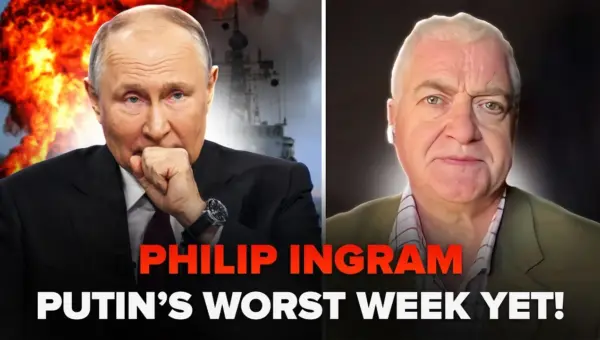
Ukraine Gains Ground, Puts Putin in Tight Spot Globally
Ukraine is regaining territory and demonstrating crucial drone warfare expertise, potentially pushing a cornered Vladimir Putin towards negotiations. Meanwhile, global conflicts in the Middle East and the threat of Chinese aggression towards Taiwan are raising concerns about a wider world war.


Trump: Rising Oil Prices a ‘Very Small Price to Pay’
Former President Donald Trump stated that rising oil prices are a "very small price to pay," a comment that comes as crude oil surges past $100 a barrel. Global markets are gripped by anxiety over the economic implications and potential for further escalation of international conflicts.
Russia Shares Intel With Iran to Target US, Reports Ignite Fury
Confirmed reports reveal Russia is sharing intelligence with Iran to target U.S. assets, sparking outrage and accusations that the White House is downplaying a critical threat. The development occurs amidst the Ukraine conflict, highlighting complex geopolitical dynamics and raising concerns about escalating global tensions.