Russia Faces Economic Crisis Amid Sanctions and War
Russia is reportedly facing a deepening economic crisis marked by soaring prices, widespread business closures, and increased government control over digital communication. The push for the state-controlled 'Max' messenger app and the destruction of livestock in rural areas are drawing comparisons to the Soviet era and sparking public discontent.

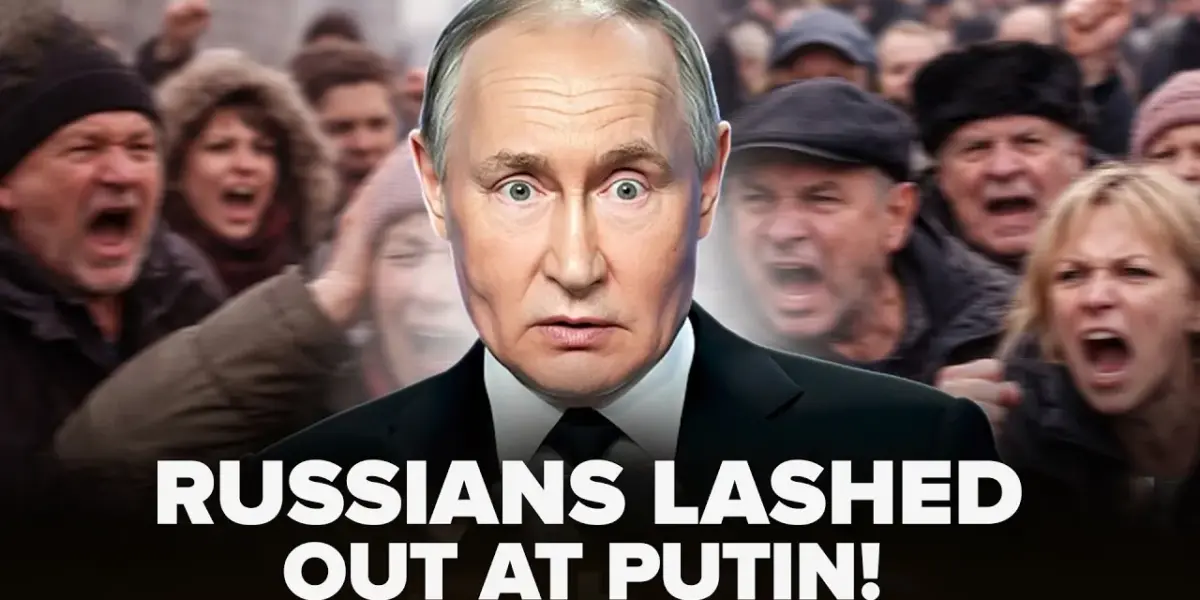
Russia’s Economy Reels Under War Strain
Reports indicate that Russia is facing significant economic hardship, with widespread price increases and business closures impacting citizens. The situation appears to be deteriorating, particularly in rural areas, where even the destruction of livestock is being reported. These economic pressures are reportedly leading to discontent, with some accounts suggesting even military personnel are voicing concerns to leadership.
Digital Controls Tighten as Economic Woes Mount
Amidst growing economic difficulties, the Russian government is reportedly increasing digital surveillance and control. Internet services, including the popular messaging app Telegram, are facing restrictions. This move is seen by some as an attempt to control the flow of information and suppress dissent, particularly as public complaints about economic conditions rise. The Kremlin’s strategy appears to be a dual approach: tightening digital controls while the economy struggles.
The “Digital Cage” and State Control
A key development is the push for the state-controlled messenger app, ‘Max’. Russians are reportedly being pressured, and in some cases threatened with fines or even expulsion from university, to adopt this platform. School chats are being moved to Max, and students may face issues with diploma issuance if they do not comply. The app is also being mandated for installation on all new smartphones and tablets sold in Russia. Mobile operators are required to provide free data access to Max, further incentivizing its use.
This strategy mirrors China’s WeChat, aiming to limit foreign influence and potential surveillance by Western intelligence agencies. However, critics argue that Max is primarily a tool for mass surveillance, collecting personal data like photos, family information, and location. The intent, according to these reports, is to create a ‘digital cage’ where all communications are transparent to the authorities, signaling an open move towards total control rather than just dictatorship.
Soaring Prices and Disappearing Businesses
The economic strain is most visible in the sharp rise of everyday goods. Prices for staple foods like chicken, cheese, eggs, and milk have reportedly increased dramatically. Even basic necessities are becoming unaffordable for many. The cost of luxury items like red caviar and smoked sausage has become prohibitive, turning them into holiday-only treats for most Russians.
Beyond food prices, the business landscape is also suffering. Shops, cafes, and salons are reportedly closing down in major cities like St. Petersburg. Entrepreneurs are struggling with increased rent, taxes, and a decline in consumer demand. This shrinking consumer sector is linked to the broader economic issues, including Russia’s reliance on oil and gas revenues, which are reportedly declining. Companies like Rosneft and Gazprom are facing significant debt, limiting their ability to support the economy.
Destruction of Livestock Sparks Outrage
In rural areas, a disturbing trend of livestock destruction is unfolding. Official reasons often cite disease, but residents and even some military personnel claim healthy animals are being seized and destroyed. Reports suggest over 18,000 head of livestock have been destroyed in recent weeks, with minimal compensation offered. This action is seen as devastating for families who rely on these animals for their livelihood, pushing them towards financial ruin. Appeals from military personnel, whose families in the rear are supported by these farms, have reportedly gone unanswered.
Strategic Implications and Public Reaction
A Glimpse into the 1980s and 1990s?
The current economic and social trends in Russia are drawing comparisons to the Soviet era of the 1980s and 1990s. The emphasis on state-controlled media, restrictions on information, and economic hardship evoke memories of a time with limited goods and opportunities. The difficulty in obtaining housing, once a state-provided benefit, now mirrors the challenges of affording private ownership, further fueling concerns about a return to past economic models.
The Economic Cost of War
The war effort and the resulting international sanctions are placing immense pressure on the Russian economy. The decline in oil revenues, coupled with the costs of military operations, is forcing the Kremlin to shift the financial burden onto its citizens. This is evident in the rising prices and the struggles faced by businesses. The official narrative on state television is increasingly at odds with the lived reality of many Russians, who are experiencing a significant decline in their standard of living.
Military Personnel Voice Concerns
The reported appeals from military personnel regarding the destruction of livestock highlight a potential crack in public support for the government’s policies. These individuals, fighting on behalf of Russia, are witnessing their own support networks being undermined by domestic economic actions. Their pleas to halt the destruction of livestock suggest a growing disconnect between the war effort and the well-being of citizens, even those directly involved in the conflict.
A Divided Reality
While the Kremlin promotes an image of stability and strength, the reality on the ground appears to be one of increasing hardship and control. The push for digital conformity through the Max app and the economic struggles paint a picture of a nation grappling with the consequences of its actions. The contrast between official propaganda and citizen experiences is becoming starker, potentially fueling further discontent.
Source: 😱MOSCOW IS SCREAMING! A real CATASTROPHE has begun. No money, prices are MASSIVE (YouTube)

Related Articles
Markets Wobble as Geopolitics Shift Dramatically
Global markets are showing volatility as geopolitical tensions rise, with the Nasdaq nearing correction territory. Concerns over consumer spending, rising costs, and the nation's fiscal health are intensifying. Analysts debate whether current events represent short-term market noise or a fundamental "reinvention of geopolitics" with long-term implications.
Global Shortages Hit Helium, Fertilizers Amid War
Global shortages are expanding beyond oil and gas, now impacting critical materials like helium and fertilizers. These supply disruptions threaten tech manufacturing and food production, raising concerns about inflation and economic growth. The situation signals a widening global supply shock with significant market implications.

Europe Gripped by Soaring Fuel Prices, Economic Pain Looms
Soaring fuel prices are creating significant economic and political challenges across Europe, impacting household budgets and raising inflation concerns. The continent's heavy reliance on diesel vehicles and high pre-existing fuel taxes exacerbate the problem, forcing governments to consider tax cuts and other measures to ease the burden on consumers and businesses.