Russia Faces Cash Crunch Amidst Internet Outages
Severe internet shutdowns across Russia have triggered massive cash withdrawals by individuals and businesses. This financial strain highlights growing public anxiety over the economy and banking stability. The crisis underscores the impact of government policies on daily life and presents significant challenges to the current regime.

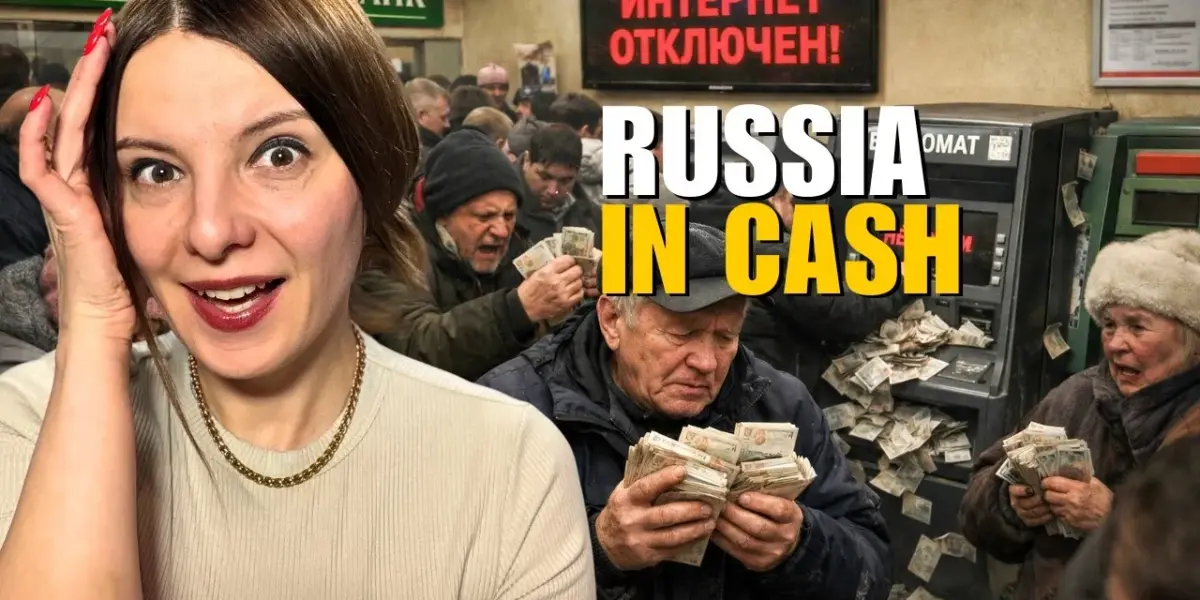
Russia Sees Massive Cash Withdrawals Amidst Internet Disruptions
Recent severe internet shutdowns across Russia have prompted a significant rush to withdraw cash, with individuals and businesses pulling half a trillion rubles from banks. This trend, intensified by prolonged periods without reliable online access, highlights growing public anxiety over the stability of the Russian economy and its financial systems. The situation suggests a deepening disconnect between official narratives and the lived experiences of ordinary Russians.
Necessity Drives Demand for Physical Currency
The internet outages, affecting major Russian cities, have crippled essential online services. People can no longer perform online payments, order goods, or even use mobile services for basic needs like food delivery. This loss of digital functionality forces a reliance on cash for daily transactions. Unlike in Ukraine, where many have adapted to using cards and online services even during wartime, Russians are finding themselves needing physical money to navigate everyday life. This necessity, rather than mere panic, is driving the demand for cash.
Economic Strain Fuels Bank Runs
The current wave of withdrawals is not entirely new. It appears to be a continuation of a trend that began around 2025, when a noticeable economic collapse started affecting ordinary Russians. Rising prices, stagnant salaries, and increasing taxes made the economic crisis tangible. This economic hardship led many to withdraw their savings from banks. In response, Russian banks, in coordination with the Kremlin, implemented numerous restrictions on cash withdrawals. Reports from early 2025 detailed significant difficulties in accessing funds from ATMs and even bank tellers.
The official explanation for these restrictions often cites preventing fraud. However, many in Russia perceive these measures as a way to retain funds within the banking system, potentially to finance the war effort.
Banking System Under Pressure
These mass withdrawals place considerable strain on Russia’s banking system. Historically, such large-scale cash demands have proven detrimental to financial stability. The current situation is exacerbated by existing difficulties, including ATM shortages and the closure of bank branches, particularly in remote regions. The ongoing internet shutdowns act as another catalyst, pushing more people to secure their assets in physical form. This creates a challenging cycle: economic hardship leads to withdrawals, which are then restricted, leading to further frustration and a greater push for cash when digital systems fail.
Strategic Implications and Political Fallout
The current crisis highlights a series of miscalculations and policy decisions that are contributing to the potential destabilization of the Russian Federation. The government’s attempts to control information and suppress dissent through measures like internet shutdowns inadvertently fuel public anxiety and economic instability. When people cannot access essential services or communicate freely, they seek tangible security in cash. This, in turn, puts pressure on the financial system and can erode public trust in the government’s ability to manage the economy. The situation demonstrates that even with strict controls, the realities of economic hardship and disrupted daily life become evident to the populace.
Signs of Internal Dissent
While the current anger among Russians may not stem from the war crimes committed in Ukraine, it is fueled by deteriorating living conditions. Lack of money, communication barriers due to isolation, and economic pressures are leading to widespread discontent. This discontent, accumulating over time, presents a significant challenge to the current regime. Attempts to raise taxes can lead to business closures, further reducing tax revenue. Shutting down the internet to prevent protests can instead drive people to withdraw cash, accelerating financial instability. This creates a difficult position for President Putin, as many of his policy responses seem to exacerbate the problems they are intended to solve.
Regional Aspirations and Future Relations
The current internal pressures within Russia also highlight the potential for regional aspirations. As noted by activists like Vilya Tuchinova, certain regions within the Russian Federation possess significant potential for greater autonomy. This could eventually lead to more stable and trustworthy relations with other nations, including Ukraine. The desire for alternatives to current economic and political arrangements suggests a potential for future shifts in Russia’s internal structure and its international partnerships.
Broader Geopolitical Context
The economic and social pressures within Russia have broader geopolitical implications. A weakened Russian economy and internal instability can affect its global standing and its capacity to conduct military operations. The ongoing sanctions and disruptions to its energy exports, coupled with internal financial strains, contribute to a complex picture of Russia’s long-term economic viability. The situation suggests that internal challenges may increasingly shape Russia’s foreign policy and its role on the international stage.
Source: PANIC IN RUSSIA: PEOPLE RUSH TO WITHDRAW CASH Vlog 1376: War in Ukraine (YouTube)

Related Articles


Ukraine Easter Ceasefire Deemed ‘Act of Theatre,’ Unlikely to Halt Fighting
A 32-hour Orthodox Easter ceasefire in Ukraine is being dismissed as a mere 'act of theatre' with little chance of halting the ongoing conflict. Experts and reporters on the ground express deep skepticism, citing a history of similar symbolic gestures that failed to bring lasting peace and noting continued military activity despite the truce announcement.
Ukraine Thwarts Russian Offensive, Gains Ground
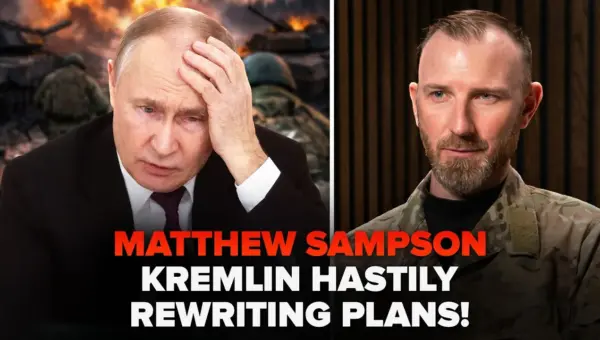
Ukraine's counteroffensives in the south are forcing Russia to redeploy troops and have resulted in Ukraine regaining territory. Russian logistical weaknesses and the prolonged conflict in Donbas are highlighted as key factors.

Trump’s Crypto Fortune Fuels Economic Debate
A debate emerges over Donald Trump's significant cryptocurrency earnings versus rising gas prices for Americans. The discussion questions economic indicators like inflation and unemployment, while critiquing potential tax cuts for the wealthy and increased military spending's impact on national debt.