Russia Faces 183-Year Ukraine Occupation Timeline
Ukraine's UN representative stated Russia would need 183 years to occupy the country at its current pace, highlighting unfulfilled strategic goals and slow territorial gains. Meanwhile, Ukraine liberates territory, Russia faces economic decline, and concerns rise over potential EU document leaks to Moscow.

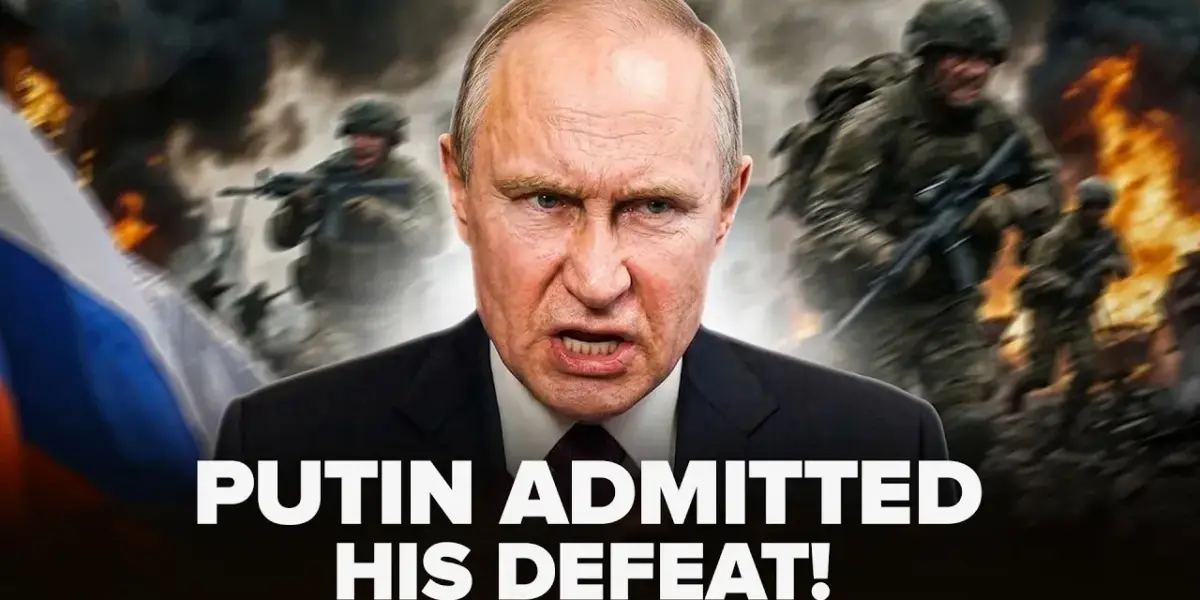
Russia Faces 183-Year Ukraine Occupation Timeline
Russia would need 183 years to fully occupy Ukraine at its current pace, Ukraine’s representative to the United Nations, Andre Melik, stated during a UN Security Council meeting. The Kremlin’s initial goals for a swift victory have not materialized, with the Russian army occupying only a small fraction of Ukrainian territory over four years. This assessment highlights the significant challenges Moscow faces in achieving its strategic objectives on the battlefield.
Kremlin’s Strategic Goals Unmet
Melik emphasized that the Russian army, which the Kremlin promotes as the world’s second strongest, has failed to make dramatic advances. The so-called “Blitz Creek,” or quick war, has not succeeded. Russian troops have spent three and a half years occupying approximately 9,300 square kilometers. This area is roughly three times the size of Rhode Island, illustrating the slow progress of the invasion. At the current rate, it would take Russia 183 years to conquer the entire country.
Ukrainian Forces Liberate Territory
While Russia struggles to advance, Ukrainian forces have been actively liberating territory. In February alone, Ukrainian troops reclaimed an area comparable in size to New York City’s boroughs of Queens and Brooklyn. This demonstrates Ukraine’s ability to push back Russian forces and regain control of occupied lands.
Intensified Attacks on Civilians
As Russia fails to achieve military breakthroughs, it has increased attacks on Ukrainian civilians. This past winter was the deadliest for civilians since February 2022. Russia launched nearly 19,000 attack drones, over 14,600 guided bombs, and around 800 missiles in the last three months. These attacks aimed to disrupt critical infrastructure and break the Ukrainian people’s will to resist, but they have not led to a surrender.
Russia’s Economic Downturn
President Putin has acknowledged that Russia’s economy is facing a crisis. Key economic indicators turned negative at the start of the year, with GDP and industrial output declining. Official data shows a 2.1% drop in GDP in January compared to the previous year. Industrial production also fell by 0.8%. This marks the first GDP drop since 2023, indicating a significant economic slowdown. The government has already revised its economic growth forecast downwards.
Demographic Challenges and Government Control
Russia is also grappling with a severe demographic crisis, leading to increased government intervention in citizens’ private lives. Women who do not wish to have children are now required to attend psychological consultations. These sessions aim to encourage them to have children, reflecting the government’s efforts to address critically low birth rates. This policy is part of a broader strategy to control personal choices and use forceful measures to solve state problems.
Concerns Over EU Document Leaks
Concerns have been raised about potential leaks of secret EU and NATO documents to the Kremlin. Reports suggest that far-right politicians in Germany and Hungary may be involved. In Hungary, opposition leader Peter Magyar has vowed to investigate Prime Minister Viktor Orban for possible treason if his party wins the upcoming elections. This investigation would focus on alleged information leaks from EU meetings to Moscow. NATO has expressed security concerns, with some operational plans related to Ukraine no longer being discussed in the presence of Hungarian officials due to potential leaks.
Allegations Against Far-Right Parties
Similar concerns exist regarding Germany’s far-right party, Alternative for Germany (AfD). EU diplomats have warned that confidential EU documents could reach Moscow through lawmakers who have access to an EU document database. This database contains thousands of documents, including sensitive notes from ambassador meetings and plans for funding Ukraine. The potential for leaks from this system raises serious security concerns among diplomats.
Russia’s Propaganda Efforts
Analysts suggest that Moscow is actively trying to manage expectations at home regarding the war. Russian propaganda and political leadership are shaping a narrative that prepares the public for slow progress and heavy losses. This strategy aims to mitigate the reputational damage to President Putin if future offensives do not yield quick results. Instead of promising swift advances, the focus is shifting to the difficult conditions on the battlefield.
High Casualties and Limited Gains
Russia is reportedly sending large numbers of troops into costly infantry assaults. In a recent four-day period, Russian losses exceeded 6,900 personnel, averaging about 1,520 per day. Over the past week, another 8,710 troops were lost. These high casualties are considered unsustainable given Russia’s current recruitment rates. Military analysts predict that these losses will limit Russia’s ability to conduct large-scale offensives. Any gains are expected to be limited and come at a very high cost.
Geopolitical Accusations at the UN
At the UN Security Council, Russia’s representative blamed Ukraine for the war and accused Ukrainian President Zelensky of not seeking peace. Ukraine’s representative, Andre Melik, sharply responded, calling Russia’s claims manipulation and urging Moscow to stop spreading false information about civilian casualties in Russia. He noted that UN Under Secretary-General Rosemary DiCarlo also found these claims unverified. Russia’s delegation reportedly left the room during Ukraine’s statement.
Russia’s Role in Iran’s Actions
Melik also pointed to Russia’s alleged involvement in Iran’s actions in the Persian Gulf. He stated that Moscow provides intelligence support to Tehran, including satellite data that could be used to target U.S. interests in the Middle East. Evidence also suggests Russia is transferring upgraded Shahed drones to Iran, produced in Russia using Iranian designs.
Source: 💥Kremlin is on the brink of a coup! Putin is mocking the Russian. Russia’s army has lost (YouTube)

Related Articles

U.S. Iran Tensions Rise Amid Shifting Alliances
Rising tensions between the U.S. and Iran are creating a volatile geopolitical situation. With conflicting signals on de-escalation and potential shifts in alliances like NATO and U.S.-Israel relations, the path forward remains uncertain. The global economy and regional stability hang in the balance.


Iran Targets US With Cyberattacks, Escalating Digital Warfare
Iran is increasingly using cyberattacks to challenge the U.S., as seen in a recent hack of the FBI director's account. Experts say this is a strategic shift due to Iran's limitations in conventional warfare. The U.S. needs to strengthen its digital defenses, focusing on encryption and cloud computing, rather than solely relying on traditional security measures.
Ukraine Strikes Russian Oil Refinery, Eyes Iran Threat
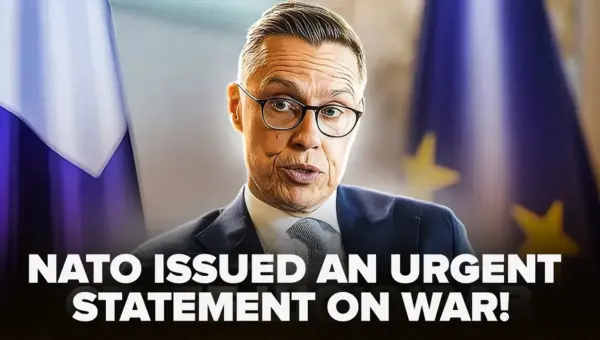
Ukrainian forces struck a key Russian oil refinery, disrupting Moscow's war capabilities. Meanwhile, Finland's president urged continued U.S. support for Ukraine, as Kyiv shares its air defense expertise globally amid growing geopolitical complexities involving Iran and potential sanctions against Hungary.