Russia Eyes Mideast Conflict Gains Amid Iran Tensions
Russia is strategically positioning itself to benefit from escalating tensions involving Iran, with President Putin eyeing gains from rising energy prices and a diverted Western focus. While Moscow offers mediation, the potential fallout for its strategic partnership with Tehran remains a significant concern.

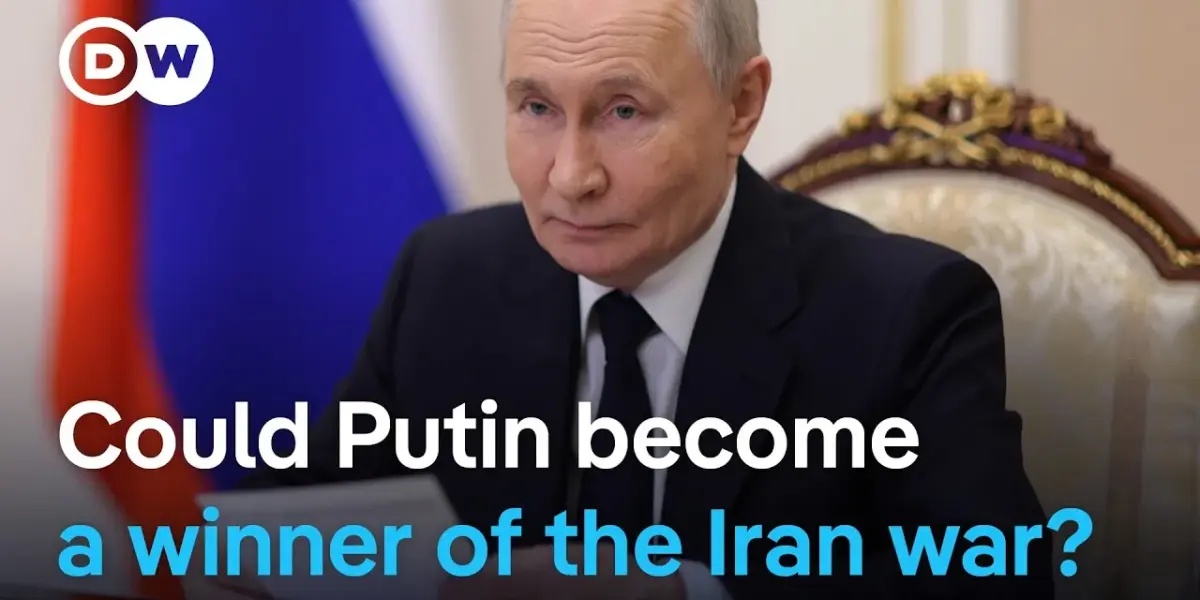
Russia Eyes Mideast Conflict Gains Amid Iran Tensions
As the Middle East grapples with escalating tensions involving Iran, Russian President Vladimir Putin is strategically positioning Moscow to potentially capitalize on the unfolding crisis. While the immediate implications remain fluid, Russia stands to benefit from rising energy prices and a diverted Western focus, even as it navigates the complex relationship with Iran, a key strategic partner.
Putin’s Calculated Approach to Crisis
Russian state media has been preemptively discussing a potential conflict in Iran for months, indicating that President Putin is not caught off guard by the current developments. According to Ivana Stradner, a research fellow at the Foundation for Defense of Democracy’s Russia program, Putin views every crisis as an opportunity for self-benefit. “He’s more than happy what’s happening on one side in Iran, but also he’s also worried about what’s happening in Iran,” Stradner explained. “He’s happy because prices of energy is rising. He’s also happy because the West is focusing all attention right now on the Middle East.”
Strategically, Russia is offering its services as a mediator in the conflict. However, this potential upside is tempered by Moscow’s deep strategic partnership with Tehran. The prospect of instability or a regime change in Iran presents a significant concern for Russia, potentially leading to the loss of another key ally in the Middle East.
A Strained Strategic Partnership?
Despite the “strategic partnership” between Russia and Iran, reports suggest that Tehran felt disappointed by Moscow’s perceived lack of support during a previous 12-day conflict with the US and Israel. Stradner expressed skepticism about Russia providing extensive military aid to Iran this time around, noting Russia’s history of remaining largely silent on its allies’ plights, citing examples such as Armenia, Syria, and Venezuela. “Whoever believes that Russia is going to send tanks and jets to Iran is sorely mistaken,” she stated.
However, Stradner cautioned that Russia could still provide crucial intelligence and other forms of support, which should not be underestimated. Russia has justified its limited involvement by claiming no obligation to directly intervene, a stance that highlights the nuanced and often self-serving nature of Putin’s foreign policy.
Intelligence and Trust: A Questionable Alliance
The United States has reportedly received assurances from Russia that Moscow is not sharing intelligence with Iran regarding American military assets in the Gulf. However, Stradner advises caution, suggesting that such assurances should not be taken at face value. “Words are cheap, often times for policy makers in Washington,” she remarked. “Russia’s greatest asset is indeed intelligence support for their allies.” Based on available reports, Stradner believes Russia is likely providing intelligence to Iran, challenging the notion of Putin as an infallible strategic mastermind.
The seemingly cordial tone of communications between the White House and the Kremlin regarding the Iran situation has raised eyebrows. Stradner pointed out that Western negotiation strategies often focus on “win-win” scenarios, whereas Putin’s approach is more adversarial: “For Putin, it’s okay if both sides lose. And if he has to lose, his opponent has to lose more.” She believes Putin is using the Iran situation to position himself as a mediator, with the ultimate goal of extracting concessions in the Ukraine conflict. “Any words when it comes to Putin honestly are meaningless because you just really have to go and look at agreements that United States signed in the past with Russia and how many of them were violated so far,” Stradner concluded.
Economic Windfalls and War Chests
The Russian economy is heavily reliant on energy exports. The conflict in Iran is expected to have ripple effects on global energy markets, potentially leading to soaring oil prices. This could provide a significant financial boost to Russia’s war economy, fueling its ongoing invasion of Ukraine.
While many experts had hoped that sanctions and energy price volatility would cripple the Russian economy, revenue from oil sales continues to fund its military machine. Stradner acknowledged that rising energy prices could benefit Russia in the short term. However, she urged a degree of caution: “It’s too early to have a gloom and doom scenario that Russia is going to benefit from current prices within the next 30 days.” She added that Putin would likely use energy as a bargaining chip with Europe.
Long-Term Implications for Putin
The long-term consequences for Vladimir Putin hinge significantly on the outcome of the Iran crisis. If the Iranian regime is overthrown or substantially weakened, it could represent a major geopolitical setback for Russia. Stradner drew parallels to Venezuela, noting that Putin is closely observing the situation in Iran.
Russia’s reliance on Iran for military support, such as drones, has diminished, making their partnership more strategic than instrumental. “This is now more as a strategic partnership,” Stradner stated. A pro-Western government in Iran, less inclined to cooperate with Moscow, would be a significant humiliation for Russia and Putin personally.
Furthermore, Putin’s greatest fear is the possibility of regime change within Russia itself. Following significant protests over a decade ago, he has intensified domestic repression and tightened control over the information space to prevent similar movements. While the potential for a similar upheaval in Iran or Venezuela exists, Stradner expressed doubt that Western powers would challenge Putin’s regime with the same intensity.
Looking Ahead
As the situation in the Middle East evolves, the international community will be closely watching how Russia navigates its strategic interests. The interplay between rising energy prices, potential diplomatic leverage, and the stability of its key allies will shape Moscow’s geopolitical calculus in the coming months. The long-term impact on Russia’s relationship with Iran and its broader influence in the region remains a critical development to monitor.
Source: How Russia seeks economic and strategic gains from the Iran war | DW News (YouTube)

Related Articles
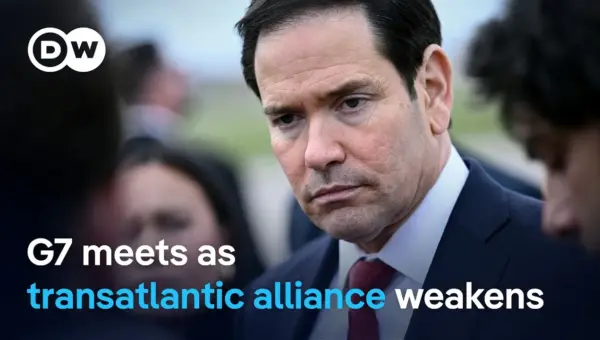
G7 Allies Clash Over Iran War Strategy, Urge Focus on Russia
G7 foreign ministers met in Paris, revealing deep divisions over the U.S. war with Iran. European allies urged the U.S. to pressure Russia, linking its actions to the conflict and fearing support for Ukraine will wane.
Iran Blocks China Ships, Exposing Beijing’s Weak Grip
Iran's recent decision to block Chinese ships at the Strait of Hormuz is exposing the limits of Beijing's influence in the Middle East. This action is causing delays and cancellations for Chinese manufacturers, turning a perceived geopolitical win into an economic strain.
Rubio: US Can Achieve Iran War Goals Without Troops
Senator Marco Rubio outlined a strategy to counter Iran without deploying U.S. ground troops, focusing on weakening the regime and enhancing maritime security. He also criticized Cuba's economic system and expressed concerns about West Bank violence.