Russia Eyes Landlines Amid Internet Curbs, Drone Strikes
Russia is considering a return to landline phones amid internet restrictions and ongoing Ukrainian drone strikes. A United Russia deputy has resigned citing party corruption, while Moscow pledges support to Cuba. European officials are calling for dialogue with Russia on security.

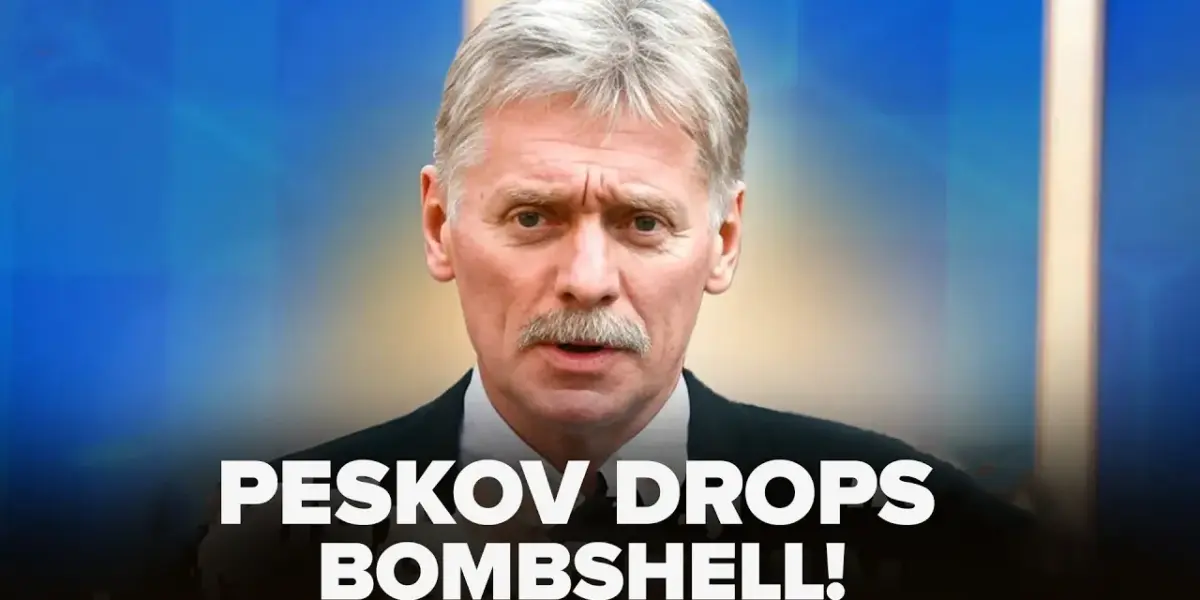
Russia Considers Landline Revival Amidst Growing Internet Restrictions
Recent discussions within Russia suggest a potential return to landline telephones as internet and mobile services face increasing limitations. This move reflects broader concerns about communication stability in what is described as a period of global turbulence. Officials are reportedly exploring ways to support National Guard members and emphasize the importance of a strong military and effective special services for national sovereignty. This comes as the conflict in Ukraine continues, with Russia characterizing Ukrainian drone strikes as attempts to delay peace talks.
Kremlin Cites ‘Sophisticated’ Drone Attacks, Denies Regional Insecurity
Dmitry Peskov, the Kremlin spokesperson, addressed the ongoing drone attacks from Ukraine, framing them as a desperate effort by Kyiv to disrupt the peace process. He asserted that Russian regions are secure, stating that the armed forces continue their “special military operation” to achieve its goals and ensure regional safety. However, the transcript notes skepticism regarding these claims, suggesting no region in Russia can truly feel safe. The nature of the attacks is described as evolving, with Russia now claiming that behind these strikes are not just terrorists or saboteurs, but well-equipped and trained sabotage services from multiple states. These adversaries are reportedly using advanced reconnaissance, communication, and control systems, including unmanned strike missiles and devices, as well as cruise and ballistic missiles.
United Russia Deputy Resigns Amidst Internal Discontent
Internal dissent within Russia’s political sphere has surfaced, with a deputy from the United Russia party announcing his resignation. The deputy, who was nominated by the party but never formally joined, cited disillusionment with the party’s practices. He stated that he felt deceived and that the party prioritizes personal and business interests over the welfare of the district. The deputy highlighted the case of a young candidate, Alexander Bloking, who he claims is being unfairly targeted and discredited despite his dedicated work for the local community. Citing a lack of ability to defend individuals due to deputy ethics rules, the resigning deputy declared his intention to relinquish his mandate. He expressed a desire to continue working for the district’s benefit without the constraints of his official status, emphasizing that true strength lies in unity, not in titles.
Russia Pledges Support for Cuba Amidst Economic Hardship
In a separate development, Peskov announced Russia’s readiness to provide all possible assistance to Cuba. He described Cuba as an independent, sovereign state facing significant economic challenges due to an international embargo, leading to humanitarian problems. Russia maintains contact with Cuban leadership at various levels and is working with Cuban counterparts to offer support. This pledge of support to Cuba, a nation with a history of strained relations with the West, could be seen as a geopolitical signal.
Banking Sector Shows Resilience Despite Economic Pressures
Despite broader economic concerns, Russia’s banking sector appears to be performing well. German Gref, the head of Sberbank, reported strong financial results for the past year, including a record net profit and a significant dividend payout. He noted that the bank has met its strategic goals and maintains a favorable income-to-expense ratio, which is competitive on the global market. This financial stability within a key sector suggests a degree of resilience within the Russian economy.
European Dialogue with Russia Proposed Amidst Lingering Divisions
In Europe, there are growing calls for renewed dialogue with Russia on security matters, particularly concerning northeastern Europe. Alexander Stup, a figure involved in NATO border security, suggested that political communication channels with Russia need to be opened. However, he stressed the importance of a coordinated approach among European allies, warning against unilateral actions. Stup anticipates that significant divisions between Russia and European countries will persist even after the conflict in Ukraine concludes, suggesting the emergence of a new geopolitical divide across the continent.
Source: 😱Peskov made a sharp statement! Russians started a revolt. Putin urgently went to Kremlin (YouTube)

Related Articles


Stocks Ignore War Risks, Focus on “Taco Moments”
Stock markets appear to be overlooking the severe supply chain risks stemming from the Iran conflict, focusing instead on potential diplomatic de-escalations. While the S&P 500 shows resilience, bond and commodity markets signal deep concern over disruptions to critical resources like LNG, helium, and fertilizers.
U.S. Iran Tensions Rise Amid Shifting Alliances
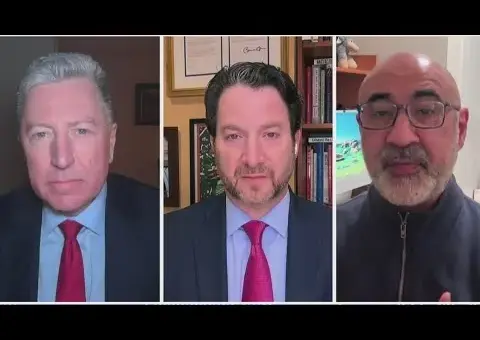
Rising tensions between the U.S. and Iran are creating a volatile geopolitical situation. With conflicting signals on de-escalation and potential shifts in alliances like NATO and U.S.-Israel relations, the path forward remains uncertain. The global economy and regional stability hang in the balance.


Iran Targets US With Cyberattacks, Escalating Digital Warfare
Iran is increasingly using cyberattacks to challenge the U.S., as seen in a recent hack of the FBI director's account. Experts say this is a strategic shift due to Iran's limitations in conventional warfare. The U.S. needs to strengthen its digital defenses, focusing on encryption and cloud computing, rather than solely relying on traditional security measures.