Russia Eyes European Energy Return Amid Sanctions Relief
Russia is strategically positioning itself to re-enter the European energy market, leveraging the temporary lifting of U.S. sanctions and rising oil prices. Former U.S. National Security Adviser John Bolton warns this move is a significant mistake that could bolster Russia financially and influence its negotiating stance regarding Ukraine.

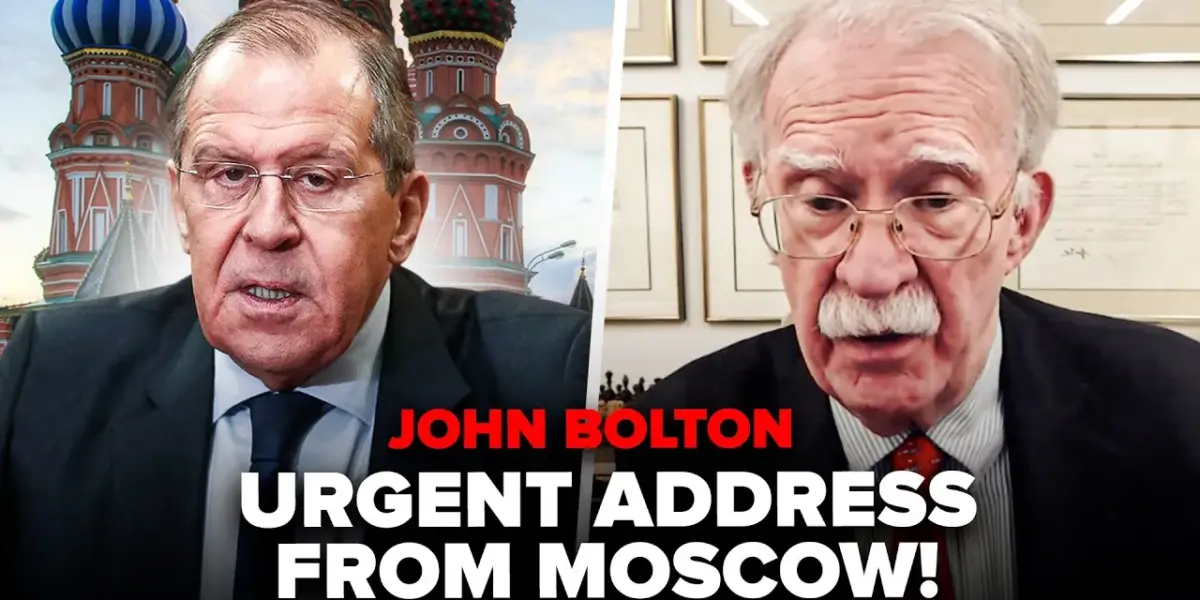
Russia Seeks Re-entry to European Energy Market
In a significant geopolitical development, Russia appears to be strategically positioning itself to re-enter the European energy market, leveraging the recent temporary lifting of U.S. sanctions on Russian oil. This move, coupled with rising global oil prices, could have profound implications for the ongoing conflict in Ukraine and Moscow’s negotiating stance.
According to former U.S. National Security Adviser John Bolton, the decision to ease sanctions, even temporarily, is a “very big mistake” with potentially dire consequences. Bolton argues that regardless of how Russian oil is transported, whether through legitimate channels or by circumventing sanctions, the increase in global oil prices benefits Russia. The Financial Times estimates that this could generate an additional $150 million per day for Russia.
“The fact is that the rise in the price of oil caused by the consequences of the war against Iran were going to benefit Russia no matter what. Whether it’s smuggling oil or shipping it to China or other countries in violation of European and American sanctions, the Russians were going to get a price increase,” Bolton stated in an interview.
The Kremlin, under Vladimir Putin, has signaled readiness to resume energy cooperation with Europe, a move that analysts suggest is an attempt to exploit current geopolitical turmoil. Bolton believes this is “100% certain” and that Putin will seek to leverage the situation to return to pre-February 24, 2022, relations, potentially finding support within the European Union.
Sanctions Relief: A Boon for Moscow, a Blow to Ukraine?
The temporary lifting of U.S. sanctions is seen by critics as undermining efforts to pressure Russia and potentially emboldening European nations to follow suit. This, in turn, could push Russia and China into an even closer strategic partnership, a development that has been a growing concern for Western policymakers.
Furthermore, Bolton expressed concerns that the temporary nature of the sanction relief might not be reversed. “I worry Trump will find other ways not to reimpose them,” he remarked, highlighting the potential for a sustained benefit to Russia’s economy and war effort.
The implications for Ukraine are equally stark. Bolton pointed out that the global strain on military resources, including U.S. arsenals, is exacerbated by ongoing conflicts. “Whatever the size of the American weapons arsenal, it is finite and it’s being engaged now in Iran. It’s being used in the war against Russia and Ukraine. We need it in the Indo-Pacific to deter China and we’re being strained,” he explained.
Shifting Negotiating Stance and War of Attrition
Recent statements from Russian officials, including Foreign Minister Sergey Lavrov and Kremlin spokesperson Dmitry Peskov, suggest a potential shift in Moscow’s negotiating position. Lavrov has indicated a willingness to negotiate while pursuing military objectives, a strategy Bolton described as consistent with a “fight, talk, talk” approach.
Peskov’s assertion that the 2022 Istanbul agreements are no longer relevant due to changed circumstances is interpreted as a signal of Moscow’s intent to harden its stance. Bolton suggested this could be influenced by perceived political vulnerabilities of former President Donald Trump, particularly as rising oil prices could increase his domestic political challenges.
“I think as oil prices, what we call price at the pump for purchasers of gasoline for their automobiles, as that price rises, Trump’s political difficulties at home increase… And I think Putin feels that this gives him some leverage over Trump to harden his position and make even more demands on Ukraine,” Bolton elaborated.
The possibility of Russia reverting to the “spirit of the Curil formula” or other negotiation frameworks is also being discussed. However, Bolton remains skeptical, emphasizing that Russia’s actions on the ground are more indicative of its true intentions than its rhetoric. “My personal view is I don’t think the Russians are ever going to negotiate seriously until their troops are in retreat,” he stated.
Russia’s Long-Term War Capabilities
Despite economic challenges, Russia’s capacity to sustain a protracted war of attrition is considered significant, largely due to support from China and North Korea. China’s financial backing and its role in laundering Russian money are crucial, as is the lack of domestic checks and balances on Putin’s regime.
Bolton noted that the war itself might be instrumental in bolstering Putin’s domestic standing. “I think there’s a lot of analysis that says that it’s really the war that helps Putin stay in power and that if peace broke out, he would be in more trouble domestically. And as unappealing as that analysis is, I’m afraid it may be right,” he commented.
Ukraine’s Evolving Role in Western Security
Meanwhile, Ukraine is emerging not only as a recipient of Western military aid but also as a significant contributor of battlefield experience and defense technologies. Bolton highlighted Ukraine’s advancements in drone and counter-drone technology, as well as its hard-won tactical expertise.
The potential for Ukraine to integrate more closely with NATO and benefit from its unique contributions is seen as a significant asset for both Kyiv and the Western security alliance. “This is very much in Ukraine’s interest to get with the NATO alliance and it’s very much in the NATO alliance’s interest to benefit from it,” Bolton concluded.
Looking Ahead
As Russia maneuvers to regain influence in the global energy market and potentially recalibrate its negotiating demands, the coming months will be critical. The effectiveness of Western sanctions, the trajectory of global energy prices, and the strategic decisions made by key global players like the United States and China will shape the future of the conflict in Ukraine and the broader international security landscape.
Source: ⚡️Lavrov came out with a wild demand! Putin’s regime is coming to an end. Moscow changes on war (YouTube)

Related Articles
Ukraine’s New Strategy Cripples Russian Oil Exports
Ukraine's new multi-layered strategy is rapidly disabling Russia's oil export capabilities. By attacking loading facilities and working with allies to intercept the "shadow fleet," Ukraine is significantly reducing Russia's oil revenues, even amidst rising global energy prices.
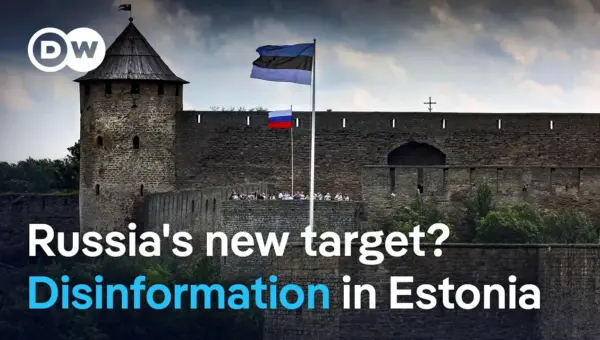
Russia Targets Estonia With Disinformation in Border City
Russia is reportedly conducting a disinformation campaign targeting Estonia's border city of Narva, aiming to sow discord among its Russian-speaking population. The online operation promotes separatist ideas, though residents largely dismiss the claims as fake. Estonian authorities view the campaign as a low-cost effort to undermine trust, with no concrete evidence of direct Russian government involvement.
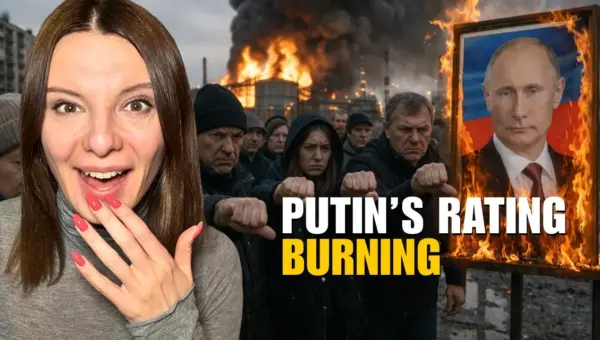
Ukraine Strikes Cripple Russian Oil Exports
Ukrainian drone strikes are crippling Russia's oil exports and damaging its economy, leading to falling domestic support for President Putin. The targeted attacks on refineries and terminals aim to cut off war funding and have significant geopolitical consequences.