Russia Exploits Mideast Crisis for War Gains
Russia is leveraging the Middle East crisis to achieve its war aims in Ukraine. Moscow signals no end to the conflict, seeking a long war of attrition. The Kremlin may also exploit diplomatic opportunities, potentially involving former President Trump. Sanction relief on Russian oil could provide significant financial boosts to Moscow, impacting global markets and straining Western military resources.

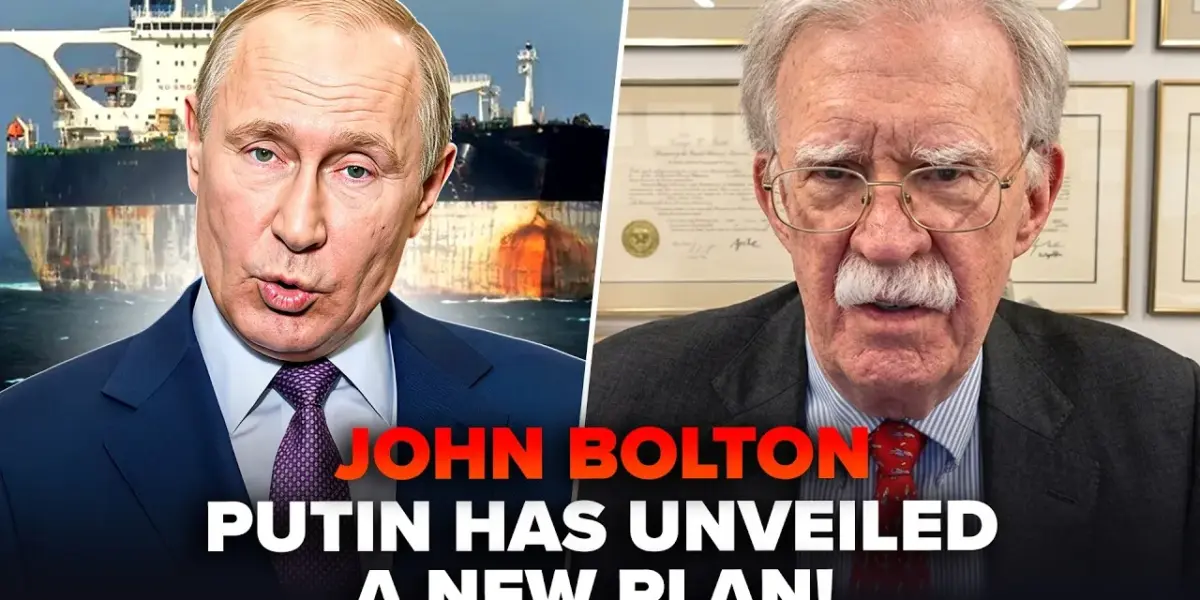
Russia Seeks Mideast Crisis Leverage
The Kremlin is actively trying to use the ongoing Middle East crisis to its advantage. Russia aims to restore pre-February 24, 2022, relations. This strategy seeks to gain support within the European Union. The lifting of certain sanctions by the U.S. is seen as a mistake. It gives arguments to those who believe the EU should also ease restrictions. This situation also pushes Russia closer to China. This trend has been developing for some time. With oil from the Persian Gulf facing disruptions, and China being a primary customer, the two nations are likely to grow even closer.
Kremlin Signals No War End Deadline
Moscow has indicated there are no set deadlines for ending the war in Ukraine. This comes despite diplomatic efforts by the United States. This suggests the Kremlin believes time is on its side. Russia may be deliberately pursuing a long war of attrition. Putin’s advisors reportedly believe a war of attrition favors Russia. Some top Russian leaders expect Ukrainian forces to weaken by spring or early summer. This assessment may be driving Russia’s current policy decisions.
Diplomatic Maneuvering and Potential Exploitation
There have been diplomatic meetings involving a representative of Putin. Details from these meetings are unclear. However, it is expected that Putin will use all available tactics. This includes potentially exploiting any perceived friendship with Donald Trump. Such actions could create a difficult and potentially dangerous diplomatic period. This isolation is largely self-imposed by Russia. The impact could be felt on the battlefield in Ukraine.
Russia’s “Fight and Talk” Strategy
Russian Foreign Minister Sergey Lavrov stated Russia is open to negotiations. However, this is only while pursuing its military objectives. This approach aligns with a historical strategy. It resembles the “fight, talk, talk, talk” method used during the Chinese Civil War. This suggests Russia may be buying time while continuing its offensive operations.
Shifting Negotiating Position
Dmitry Peskov, Putin’s spokesperson, recently stated that the 2022 Istanbul agreements on Ukraine are no longer relevant. This signals a likely change in Moscow’s negotiating position. Peskov’s statements are typically approved by Putin. This could indicate a hardening of Russia’s stance. Russia may see former President Trump as politically vulnerable. This vulnerability could stem from perceived failures in foreign policy prior to the current conflicts. Rising oil prices could increase Trump’s political difficulties at home. Putin may feel this gives him leverage over Trump. This could lead to more demands regarding ceasefire lines or troop deployments. It might also involve changes to NATO activities related to the war. Ukraine and its allies are unlikely to find such demands acceptable. Russia will likely attempt to draw Trump closer to its position.
The “Spirit of Ennui” Formula
There is discussion about Russia potentially returning to the “spirit of Ennui” formula. However, a key perspective is that only actions matter in negotiations with Russia. What people say or encourage is less important than what they are actually doing. Russia’s actions have remained consistent for several years. Some analysts believe Russia will not negotiate seriously until its troops are in retreat.
Russia’s Long-Term War Capabilities
Russia’s capability to sustain a war of attrition is significant. This is partly due to support from China. This support includes financial backing and the laundering of Russian money. North Korea also provides assistance. Russia lacks internal checks and balances on Putin’s decisions. The government uses propaganda to portray the war as an effort by NATO to dismantle Russia. This domestic narrative helps maintain Putin’s perceived strength. Rising global oil prices, partly due to Middle East instability, could strengthen Russia financially. This may allow Russia to continue financing the war effort. Some analysis suggests the war itself helps Putin stay in power. A cessation of hostilities could create domestic challenges for him.
China’s Role and Strategic Interests
The upcoming meeting between Donald Trump and Xi Jinping could focus on the war in the Middle East. The conflict’s impact on China is significant, as much of the oil from the Gulf region goes to East Asian customers, primarily China. Faced with potential disruptions, China may rely more on Russia. However, China likely seeks multiple sources of supply. This explains their involvement in countries like Venezuela. China faces difficulties due to rising global petroleum prices and potential shortages affecting its industries. The situation in the Middle East may be the most critical topic at their meeting.
Ukraine’s Evolving Role in Western Security
Ukraine is becoming a significant provider of battlefield experience and defense technologies. This could alter its long-term role in the Western security system and its relationship with the United States. Ukraine has reportedly offered its combat experience and technology, including drone and counter-drone capabilities, to the U.S. These technologies and tactics, learned through necessity during the war, are valuable. This experience is crucial for future land, sea, and air combat. It is in Ukraine’s interest to integrate with the NATO alliance. It is also beneficial for NATO to gain from Ukraine’s unique combat insights.
Risks of Sanction Relief
The temporary lifting of U.S. sanctions on Russian oil could be a significant mistake. Russia stands to benefit financially from rising oil prices, regardless of how it ships the oil. Allowing Russia to export more oil without sanctions could generate substantial additional revenue. Estimates suggest Russia could earn an additional $150 million per day. Russia is expected to fully exploit this opportunity. There are concerns that sanctions may not be fully reimposed after the temporary lifting. Russia is currently providing intelligence and advice to Iran, potentially to target American troops. This raises questions about the rationale for providing any favors to Russia. The consequences for Ukraine are clear. U.S. military arsenals are finite and are being engaged in multiple theaters. The U.S. needs these resources in the Indo-Pacific to deter China. This situation strains U.S. military readiness. Stockpiles need to be larger, but correcting this will take time. Decisions with global effects are being made without thorough consideration.
Source: 😱Putin is trying to pull off the scam of the year! Oil prices could change. Here’s what will happen (YouTube)

Related Articles
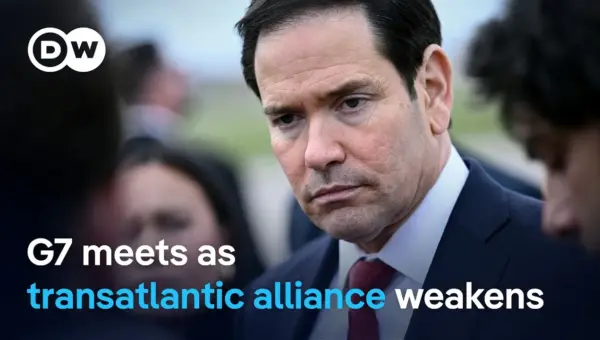
G7 Allies Clash Over Iran War Strategy, Urge Focus on Russia
G7 foreign ministers met in Paris, revealing deep divisions over the U.S. war with Iran. European allies urged the U.S. to pressure Russia, linking its actions to the conflict and fearing support for Ukraine will wane.

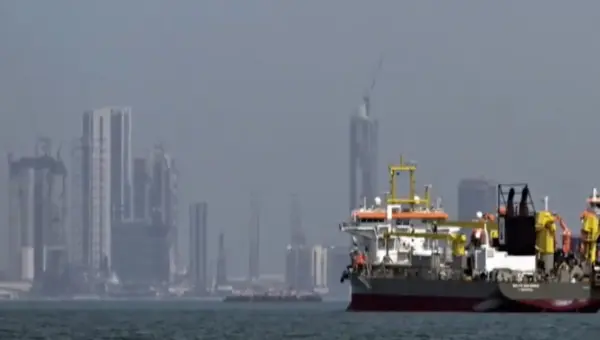
Iran Blocks China Ships, Exposing Beijing’s Weak Grip
Iran's recent decision to block Chinese ships at the Strait of Hormuz is exposing the limits of Beijing's influence in the Middle East. This action is causing delays and cancellations for Chinese manufacturers, turning a perceived geopolitical win into an economic strain.
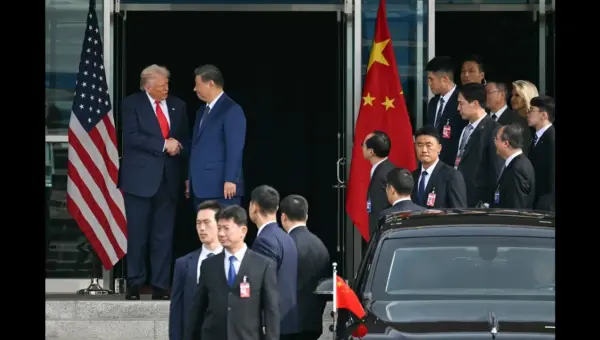
Trump’s “Walk Away” Tactic Signals Tougher Stance on China
Retired Air Force Brigadier General David Stillwell believes President Trump's strategy of being willing to walk away from negotiations puts pressure on China. This tactic, combined with US global actions and strengthened alliances, signals a more assertive American foreign policy.