Russia Escalates Threats Amidst Shifting US Stance on Ukraine
Russia has escalated its threats, issuing harsh replies to the US and raising alarms about "dirty bombs." This comes as the US abstained on a UN peace resolution for Ukraine, drawing criticism and sparking debate about "Trumpian" foreign policy. Experts suggest Russia is using nuclear rhetoric and intelligence operations to shape upcoming negotiations.

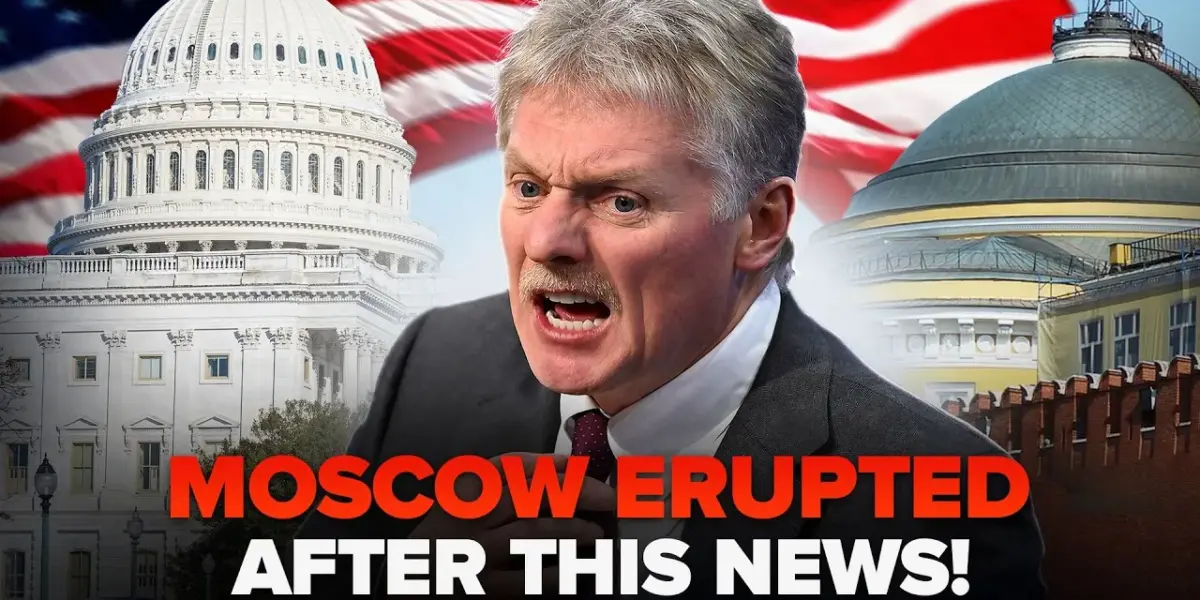
Kremlin Issues Stark Warnings as UN Peace Resolution Falters
In a dramatic escalation of rhetoric, Russia has once again raised alarms regarding the potential use of a “dirty bomb” and issued a harsh reply to the United States, signaling a significant and unexpected turn in the ongoing conflict in Ukraine. The Kremlin’s latest pronouncements come as the United Nations General Assembly adopted a resolution on peace in Ukraine, a move notably not supported by the United States. The White House cited concerns that the resolution’s current form could distract from peace negotiations, a justification that has drawn sharp criticism.
US Abstention Sparks Controversy, Experts Criticize “Trumpian” Foreign Policy
The United States’ decision to abstain from voting on the UN peace resolution has ignited debate, particularly among foreign policy analysts. Former Trump administration officials have voiced opposition, questioning the rationale behind abstaining on a resolution aimed at peace. Alexander Kar, an expert at the Ukrainian Prisma think tank and lecturer at Kil Moil Academy, described this approach as characteristic of a “Trumpian foreign policy,” contrasting it with traditional US diplomacy.
“Unfortunately, such plain disregard for seemingly obviously uh positive and necessary narratives are something very common for current Trumpian foreign policy,” Kar stated. “Generally speaking, traditional United States uh international politics and especially in the United Nations provided for American diplomacy to be the leader… Previously, even during the first several years of full-scale invasion, we always saw the United States not only as a partner but also in on many instances as a co-author and sponsor for such resolutions.”
Kar suggested that this stance reflects a desire not to provoke Russia, even at the expense of condemning its actions. He elaborated on this point, quoting Marco Rubio: “we call somebody a war criminal if we want to sign a deal with them.” According to Kar, this approach suggests the US is playing a “soft psychological game,” attempting to appease Russian President Vladimir Putin to secure a deal, potentially for political gain.
“So basically, the Americans are playing a very soft psychological game. They’re trying to be nice to Putin. They’re trying to play on the nice side of the dictator for the sole purpose of getting any deal uh done to getting anything on the paper and just crown this paper as a one of the greatest Trump’s achievement.”
Key Negotiations on Horizon: Recovery, Security, and Prisoner Exchanges
Amidst this diplomatic maneuvering, Ukrainian Defense Minister Rustem Umerov is scheduled to hold bilateral meetings with US representatives, including former White House advisor Jared Kushner and Treasury Secretary Scott Bassand. Key topics are expected to include Ukraine’s recovery package and preparations for a potential trilateral meeting involving Russia, which Ukrainian President Volodymyr Zelenskyy indicated could occur in early March. Prisoner exchanges will also be discussed separately.
Kar highlighted critical points Ukraine aims to clarify with the US delegation. “First and foremost, what is the United States position on the so-called territory swap?” he questioned, adding that clarity is needed on whether the US is interested in buffer zones or free economic zones along the demarcation line. The issue of security guarantees is also paramount, especially given Ukraine’s desire for assurances that future aggression will be met with robust American support.
Russia’s Demands and Diplomatic Tactics: A Pattern of Unreasonableness
Regarding potential negotiations with Russia, Kar expressed pessimism, emphasizing that progress hinges on Russia’s willingness to engage in fair and open diplomacy. He outlined Russia’s typical negotiating position, which he described as demanding “full capitulation of Ukraine,” including territorial concessions and significant reductions in its military capabilities.
“Russia expects all the comp so-called compromises and all the steps taken by Ukraine in order to get even to the first step in the negotiation,” Kar explained. “Ukraine should withdraw from its own territories. Ukraine should diminish the number of its military personnel in half. Ukraine should abstain from joining NATO. Ukraine should become a neutral state.” He characterized these demands as “unreasonable, unrealistic” but consistent with Russia’s historical diplomatic strategy, which he termed “Gumika diplomacy” – demanding far more than expected to achieve a substantial outcome.
Escalating Nuclear Rhetoric: A Tactic of Fear and Negotiation
The Kremlin’s recent focus on unfounded claims about the UK and France attempting to transfer nuclear weapons to Ukraine is seen by experts as a deliberate tactic to escalate nuclear rhetoric. Kar believes this is a strategy to exploit Western fears of nuclear escalation, particularly among politicians like Donald Trump, potentially creating an environment where concessions are made to avoid nuclear conflict.
“The idea here is just to get once again into this anxious uh state when they are ready to trade Ukraine or trade some part of Ukrainian eastern interests just to avoid the possible nuclear escalation,” Kar stated. He suggested that Russia’s discussions of nuclear threats are not necessarily precursors to actual use but rather a means to shape the negotiation landscape and create an atmosphere of fear and controlled chaos, which is a hallmark of Russian diplomatic strategy.
Intelligence Operations and the Threat of Gray Zone Warfare
Adding another layer to the escalating tensions, reports indicate that Russian intelligence services have been acquiring real estate near military sites across at least 12 EU countries. These acquisitions, including homes, warehouses, and even islands, are feared to be potential staging grounds for surveillance, sabotage, and gray zone operations.
Kar acknowledged the possibility of direct military invasion but argued that Russia currently benefits more from the *threat* of invasion. He suggested that these visible intelligence operations and preparations serve to intimidate European and American politicians, potentially influencing their negotiation positions. “If Russians wants to wants us to see these preparations, they want us to be terrified to be anxious and to be afraid of them,” he concluded, viewing these actions as part of Russia’s pre-negotiation strategy.
Future Outlook: Continued Diplomatic Pressure and Ukrainian Resilience
Looking ahead, the situation remains complex, with Russia employing a multi-faceted approach involving diplomatic pressure, escalatory rhetoric, and intelligence operations. The effectiveness of US diplomacy and the resilience of Ukraine in navigating these challenges will be crucial. While Kar expresses pessimism about current US approaches, he notes that continued contact and engagement, even with figures like Donald Trump, remain vital for ensuring Ukraine’s interests are not overlooked in the pursuit of any potential deal.
Source: 😱Kremlin responded with new threats! Peskov issued a harsh reply to US. An unexpected turn in war (YouTube)

Related Articles

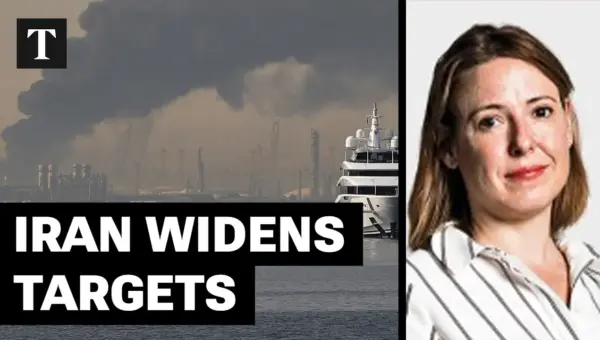
Iran Escalates Regional Attacks, Feeling ‘Nothing to Lose’
Iran is widening its regional attacks, driven by a "nothing to lose" mentality, according to Catherine Philp of The Times. The escalating conflict has seen Hezbollah engage in hostilities, drawing retaliatory strikes and increasing global oil prices. The U.S. and Israel are targeting Iranian leadership and military sites, while the response of Gulf nations remains a key uncertainty.
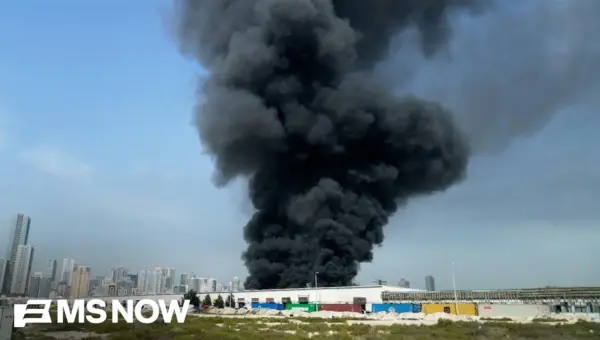
American Stranded in Dubai Fears for Safety Amid Iran Tensions
An American tourist celebrating her 30th birthday in Dubai was left stranded and anxious amid escalating U.S.-Iran tensions. Facing disrupted flights and intense fear, she detailed her ordeal and struggles to secure a direct flight home, highlighting the personal impact of geopolitical instability.
Retired General Slams Trump’s Iran Policy as ‘Political Mess’
Retired General Barry McCaffrey has condemned President Trump's approach to Iran as a "political mess," citing a lack of congressional authorization and diplomatic engagement. While commending the effectiveness of recent military strikes, McCaffrey emphasized the critical need for de-escalation and a return to nuclear talks.