Russia Escalates Attacks Amid Global Political Shifts
Russia is escalating attacks on Ukraine's energy infrastructure amid complex global political shifts. Meanwhile, Ukraine's drone capabilities are advancing, strengthening its alliance with NATO. International political alignments and potential election interference are also key concerns.

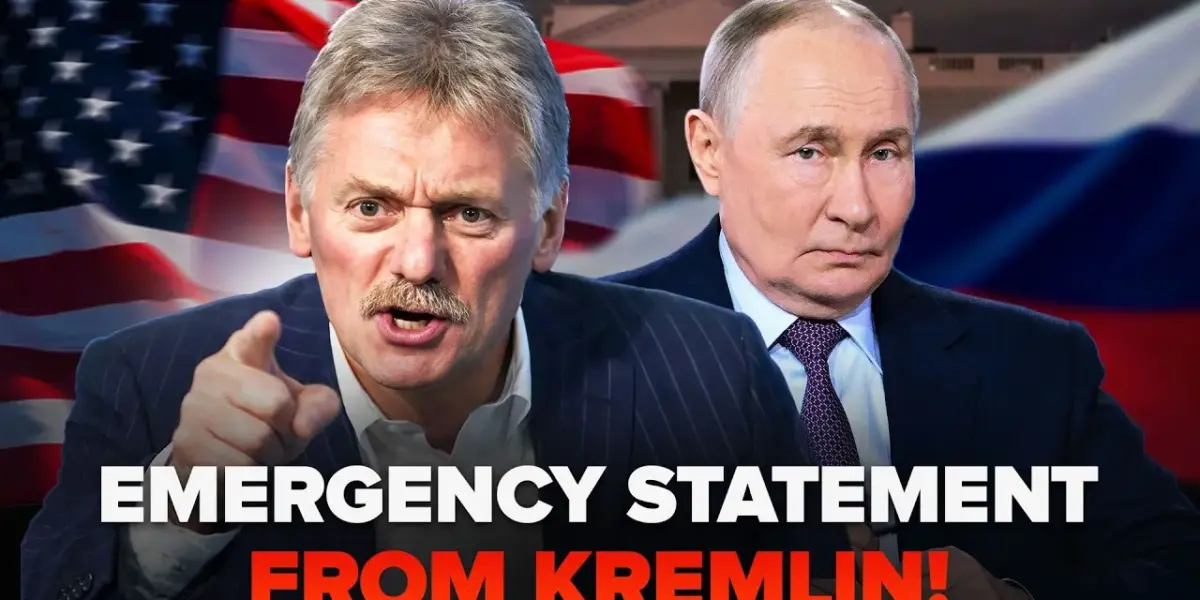
Russia Escalates Attacks Amid Global Political Shifts
Recent events suggest a significant escalation in Russian military actions, particularly targeting Ukrainian energy infrastructure. This comes as global political dynamics, including shifts in US foreign policy and European alliances, potentially embolden Moscow. Experts point to a desperate Russian strategy aimed at disrupting Ukrainian resilience and sowing discord among allies.
Ukraine’s Drone Dominance and NATO Ties
Despite increased Russian attacks, Ukraine demonstrates a growing capacity in drone warfare. Ukraine set ambitious goals at the start of 2025 to enhance its drone interceptor capabilities and drone detection technology. This initiative is now showing significant benefits, with Ukraine partnering with NATO for advanced exercises. These drills highlight Ukraine’s superior drone technology compared to existing NATO systems. Military leadership from NATO recently visited Ukraine, agreeing to joint war games. These exercises aim to refine NATO’s response to drone and glide bomb attacks on Baltic countries and Poland. The deepening cooperation suggests Ukraine is on a path toward eventual NATO membership.
Global Political Alignments and Election Interference
International political alignments are becoming increasingly complex, with potential implications for ongoing conflicts. Former US President Donald Trump has publicly supported Hungarian Prime Minister Viktor Orban. This support, along with visits from figures like Vice President Vance to Hungary, signals a broader alignment of conservative and far-right parties across Europe, including those in Germany, France, and the UK. The Israeli government has also weighed in, creating an unusual coalition of international leaders backing Orban. This level of external support raises questions about foreign interference in Hungarian elections. While financial support for political campaigns is common, direct government backing remains a key concern for election integrity.
Orban’s Political Standing and Corruption Allegations
Prime Minister Orban faces scrutiny regarding his domestic policies and alleged corruption. Experts suggest that corruption could ultimately undermine his support. While living costs have been manageable for many Hungarians, persistent reports of corruption within the government and its connections may eventually sway voters. Negative reports, including alleged plots coordinated with Hungarian military intelligence and leaks of sensitive EU discussions to Russia, could further damage Orban’s standing as elections approach.
Middle East Conflict and US Alliances
The initiation of a new conflict in the Middle East, reportedly without broad consultation with international allies, has drawn criticism. This lack of coordination weakens the perception of US leadership and potentially benefits adversaries who thrive on division within alliances. The conflict has also led to increased global oil and fertilizer prices, impacting economies worldwide. While European allies are cooperating on missile defense, the broader strategic approach has caused confusion. Some analysts believe this approach could politically harm the current US administration in upcoming elections, while also damaging long-term alliances.
Russia’s Desperation and Civilian Targets
Russia appears to be escalating attacks out of desperation, targeting civilian areas in Ukraine. These strikes, often occurring in the early morning, are seen as a response to Ukrainian actions against Russian oil facilities. Lacking the ability to strike genuine military targets, Russia is focusing on civilian populations to sow disunity and weaken Ukrainian morale. However, these attacks, including strikes on churches and hospitals, often have the opposite effect, strengthening Ukrainian resolve and unity. Ukraine’s own drone production, estimated in the tens of thousands weekly, provides a significant defensive and offensive capability.
Potential for Peace Talks
The possibility of Russia returning to peace negotiations appears increasingly unlikely as Ukraine intensifies its military operations. Ukraine’s success in degrading Russia’s oil production capabilities and its own expanding oil production suggest a strategic advantage. Ukraine’s offensive strategy, developed with US support, aims to cripple Russia’s energy sector. As Ukraine continues to press its offensive and inflict daily casualties on Russian forces, President Putin may find fewer viable options for a peaceful resolution.
Geopolitical Mediators and Failed Peace Plans
Attempts to find diplomatic solutions in various global hotspots have seen limited success. Proposals reminiscent of past peace plans for Ukraine, which were dismissed, are now being floated for the Middle East. The Iranian government, represented by the IRGC, has reportedly dismissed US-proposed peace plans. This pattern suggests Russia may believe it can exploit perceived weaknesses in American negotiation strategies. The effectiveness of individuals tasked with brokering peace deals is being questioned, particularly given the lack of progress in conflict zones.
US Domestic Politics and War Aversion
Within the United States, there is a growing political calculus regarding foreign conflicts, especially as elections approach. A potential conflict with Iran is being viewed through the lens of domestic political consequences. Campaign promises to avoid new wars are being weighed against current military actions. The deployment of airborne and amphibious assault troops raises concerns among President Trump’s supporters, many of whom opposed initiating a war with Iran. Recent local election results, including a Democratic win in a traditionally Republican district, indicate a potential political shift. The desire to avoid an expensive war with American casualties close to an election is a significant factor influencing decision-making.
Internal US Political Tensions
Tensions appear to be rising within the US administration regarding the conflict in Iran. Public statements have attributed the push for war to Secretary Pete Buttigieg, while implying others were less in favor. This dynamic suggests a potential strategy to assign blame for any negative outcomes of the conflict. The lack of clear consensus on initiating the war, particularly given previous campaign pledges against starting new conflicts, fuels speculation about internal disagreements and the search for accountability.
Source: ⚡️Peskov revealed Putin’s plans! Urgent changes in the war. Russia has come forward with a proposal (YouTube)

Related Articles
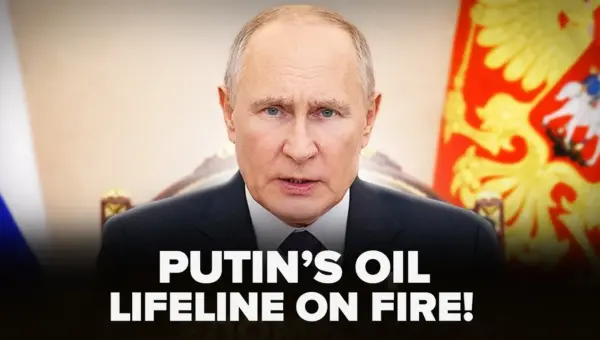
Putin Seeks Oligarch Funds Amid Drone Strikes
Russian President Vladimir Putin is reportedly appealing to oligarchs for war funds as Ukrainian drone strikes cripple export capacity. Geopolitical shifts have also eased economic pressure on Moscow, potentially prolonging the conflict.

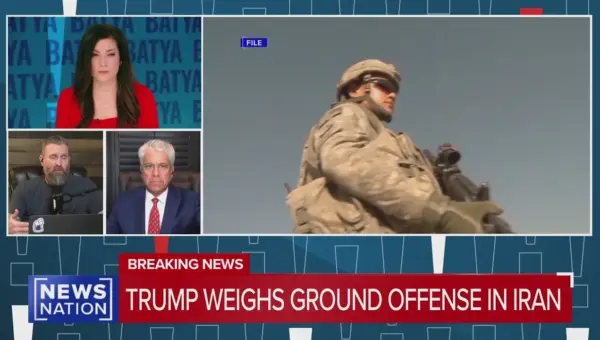
US Deploys Troops, Shakes Global Oil Markets
The U.S. has deployed 2,000 soldiers to the Middle East, aiming to establish a strategic base. This move, coupled with rising oil prices, creates market uncertainty and impacts everyday Americans. The veteran community holds mixed views, while the strategy also targets China's energy deals.

Iran Tightens Strait Grip Amid Escalating US Conflict
Iran is tightening its control over the Strait of Hormuz amid escalating attacks against U.S. forces and allies. Despite U.S. claims of ongoing negotiations, Iran denies talks and demonstrates its power by regulating ship passage. New fronts are opening, with Houthi rebels in Yemen striking Israel, further complicating the volatile regional conflict.