Russia Demands Ukraine Yield Donbas Within Two Months
Russia has issued a two-month ultimatum for Ukraine to withdraw troops from the Donbas, a demand experts deem unrealistic given current battlefield conditions. Meanwhile, Ukraine's targeted strikes on Russian oil infrastructure aim to cripple Moscow's war funding, while its advancements in drone technology are gaining international traction.

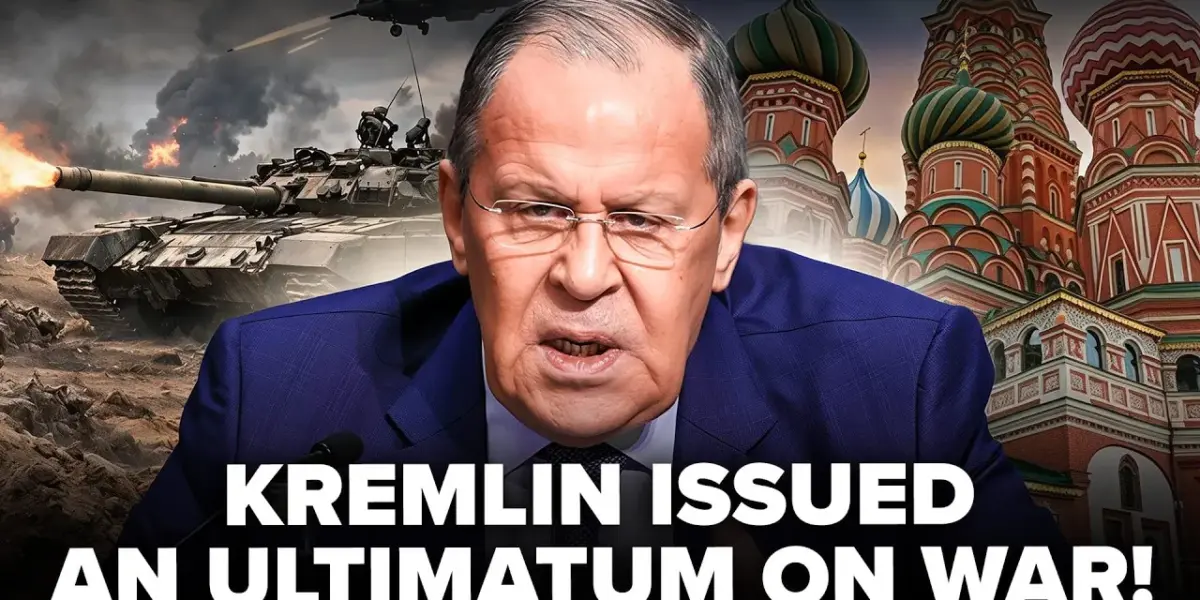
Russia Sets Tight Deadline for Ukraine’s Donbas Withdrawal
Russia has presented a stark ultimatum to Ukraine, demanding the withdrawal of Ukrainian troops from the Donbas region within a two-month timeframe. The Kremlin reportedly conveyed this deadline to the United States, signaling a potential escalation in demands should Ukraine fail to comply. This demand comes as Russia’s offensive, which began two weeks ago, has reportedly stalled with significant Russian casualties and minimal territorial gains.
Analysis of Russian Military Capabilities and Strategy
Professor Philips O’Brien, a historian and professor of strategic studies at the University of St. Andrews, suggests that Russia’s demand is unlikely to be met based on current battlefield realities. “If they are able to conquer the Donbas in two months, then something dramatic is going to have to change on the battlefield that we do not see now,” O’Brien stated. He noted that Russian advances have slowed while losses have increased, indicating a struggle to achieve such ambitious goals.
Putin’s Commitment to the War
O’Brien outlined two primary reasons for Russia’s continued engagement in the conflict. Firstly, President Putin has deeply intertwined his credibility with the war’s outcome. With significant Russian losses reported, Putin reportedly cannot afford to end the conflict without achieving a decisive victory. Secondly, there is a belief within the Russian leadership that the international landscape is shifting in their favor, particularly concerning United States support for Ukraine.
Shifting US Stance and International Dynamics
The professor highlighted a significant change in the United States’ role in the conflict. While previously a staunch supporter of Ukraine, the US is now described as being neutral, with former President Trump showing individual support for Putin. This shift has led to Russian expectations that they can sustain the war effort, though O’Brien cautioned that Russia may have miscalculated this international dynamic in the past.
Ukraine’s Counter-Strikes on Russian Oil Infrastructure
In response to the ongoing conflict, Ukraine has intensified its attacks on Russian oil export infrastructure. Recent drone strikes have targeted key Baltic ports like Ust-Luga and Primorsk. These actions aim to cripple Russia’s ability to fund its war effort by disrupting its primary source of revenue.
Strategic Impact of Oil Sector Attacks
O’Brien emphasized the importance of these strikes, stating, “Ukraine needs to win the war and the Russian economy is a vulnerable point for Russia that Ukraine needs to strike.” He explained that targeting export ports, in addition to refineries, significantly impacts Russia’s oil revenue. This strategy is seen as crucial for Ukraine to prevent Russia from benefiting from increased global oil prices, which have been exacerbated by geopolitical events.
International Pressure and Ukrainian Resolve
Despite some allies signaling concerns about rising global energy prices and suggesting a scaling back of strikes on the Russian oil sector, O’Brien argued that Ukraine must prioritize its national interests. “Ukraine has to do what the Ukrainians believe is in their national interests, and that’s probably not to listen to European states and want them to hold back,” he advised. He also pointed out that recent actions, like former President Trump’s approach to Iran, have inadvertently benefited Russia by driving up oil prices.
Ukraine’s Growing Influence in Defense Technology
Ukraine’s advancements in drone technology and battlefield experience are gaining international recognition, particularly in the Middle East. This has led to increased demand for Ukrainian expertise and systems from countries like Saudi Arabia.
Innovation in Drone Warfare
Professor O’Brien noted that Ukraine has developed effective, low-cost anti-drone systems, a capability that surpasses current US spending on similar technologies. This innovation positions Ukraine as a valuable partner for nations concerned about drone threats. He contrasted this with traditional defense manufacturers, suggesting that some legacy system producers are out of touch with modern warfare demands.
Reshaping the Global Defense Industry
The rapid development of Ukrainian drone technology could reshape the global defense industry. It challenges established manufacturers to adapt to new battlefield realities and highlights the potential for countries at the forefront of conflict to develop critical military innovations. O’Brien suggested that integrating Ukraine into Europe could be a significant strategic move for European states, especially if the US proves an unreliable partner.
Concerns Over Broader Escalation and Hybrid Warfare
Experts have raised concerns about potential Russian provocations in the Baltic states. However, O’Brien suggested that as long as Ukraine remains engaged in a fierce fight, it ties down a significant portion of Russia’s military capabilities, making a broad escalation against NATO less likely.
NATO’s Role and Russian Hybrid Tactics
O’Brien expressed skepticism about NATO’s functional response if Russia were to attack the Baltic states, suggesting the US might not intervene. He described Russia’s ongoing hybrid warfare tactics against Europe, which include political influence and cyber operations. However, he believes a conventional attack on the Baltics would be difficult for Russia while it is heavily engaged in Ukraine.
Impact of a Prolonged Conflict with Iran
The potential for a prolonged conflict between the United States and Iran could have significant domestic implications for the US and affect the Russia-Ukraine war. O’Brien believes such a conflict would be politically detrimental to former President Trump, who may have initiated actions against Iran without fully understanding the consequences.
Economic Ramifications and Geopolitical Shifts
A protracted conflict could lead to higher oil prices, inflation, and a global recession. While this scenario negatively impacts the global economy, it could indirectly benefit Russia by further increasing oil prices. Conversely, it could serve as a wake-up call for European states to rely more on their own collective security and support for Ukraine, especially if the US proves to be an unreliable ally.
Domestic US Political Impact
The war with Iran is described as unpopular domestically in the US, potentially harming Republican prospects in upcoming elections. The lack of widespread public support contrasts with previous instances where conflicts have unified the nation behind the president.
Potential Outcomes with Iran
The ultimate outcome hinges on Iran’s willingness to negotiate. A deal could stabilize global markets, while a refusal to compromise could lead to severe economic consequences. O’Brien stressed that the situation is complex and dependent on Iran’s internal government decisions.
Source: 😱Lavrov addressed Kyiv! Kremlin put forward conditions for peace. Putin’s army is on brink (YouTube)

Related Articles


Russia Blocks Telegram, Alienating Putin’s Vloggers
Russia's ban on Telegram has silenced Kremlin-aligned bloggers and experts, cutting off a vital communication channel for millions. The move alienates key supporters and highlights the government's fear of uncontrolled information flow amidst economic and military challenges.
Iran’s Military Power Crushed, Trump Claims Victory
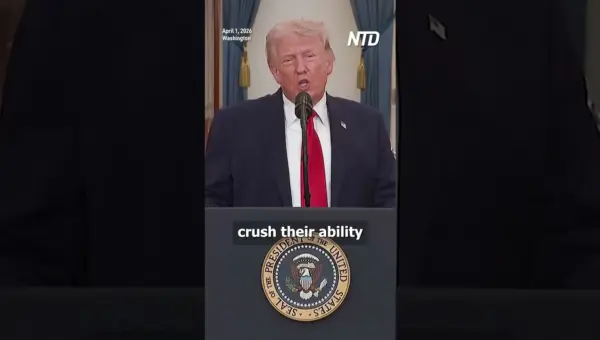
President Trump claims the U.S. is close to completing its strategic goals against Iran's military, stating its navy, air force, and missile programs are "destroyed" or depleted. He thanked Middle East allies for their cooperation in this effort.


US Iran Policy Shifts: Victory Redefined Amidst Empty Claims
US policy towards Iran is constantly shifting, moving away from clear goals like regime change to less defined objectives. Recent claims of destroying Iran's ancient military assets raise questions about actual progress, especially since Iran retains control over the vital Strait of Hormuz. This highlights a need for a more consistent and transparent foreign policy.