Russia Demands Billions from Wealthy Elite
Russia's President Putin is reportedly asking the nation's wealthiest individuals, known as oligarchs, to contribute billions directly to the state. This move signals severe financial strain due to the war in Ukraine and acts as an informal tax on the rich. The request highlights the Kremlin's desperate need for cash and the shifting dynamics between the state and private wealth.

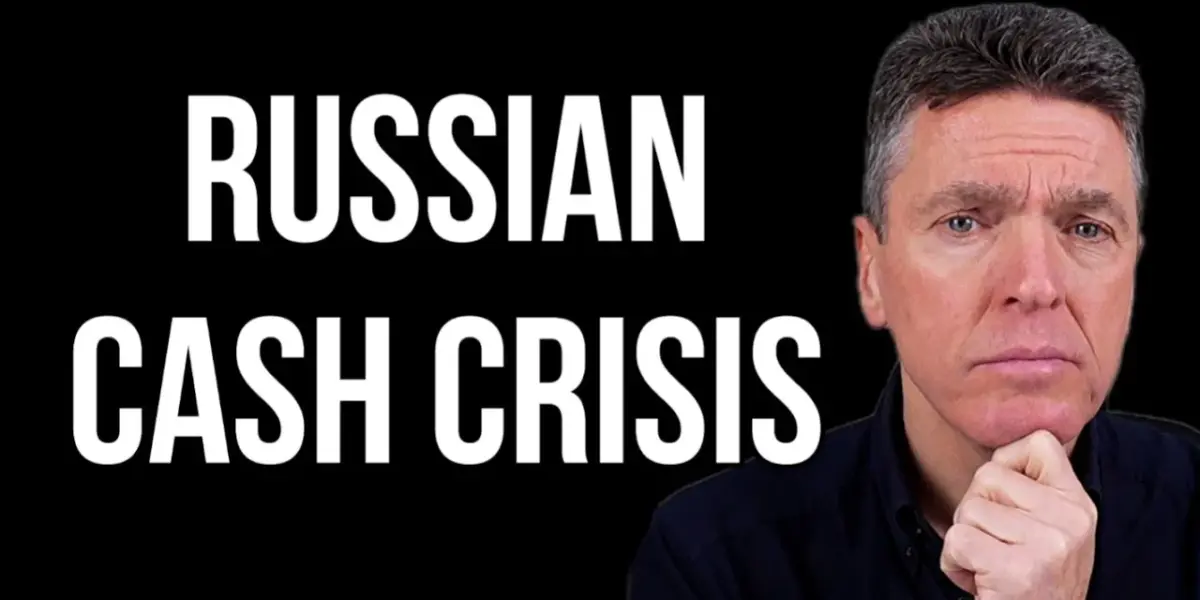
Russia Demands Billions from Wealthy Elite to Fund War Effort
In a move that signals significant financial strain, Russian President Vladimir Putin has reportedly asked the nation’s wealthiest individuals, known as oligarchs, to contribute substantial sums of money directly to the state. This informal request is seen as a critical measure to offset the ballooning costs of the ongoing war in Ukraine, effectively acting as a stealth tax on the rich.
According to a report by Reuters, Putin has urged Russia’s billionaires to make direct financial contributions to support the state budget. This unprecedented step bypasses traditional taxation and legislative processes, with government officials directly appealing to the country’s richest citizens for funds. One oligarch has already reportedly agreed to contribute 100 billion rubles, approximately $1.2 billion, highlighting the scale of these demands.
The Rise of the Oligarchs
To understand this development, it’s important to know who Russia’s oligarchs are. This powerful class emerged in the early 1990s following the collapse of the Soviet Union in 1991. During that era, the Russian government rapidly privatized state-owned assets, including major industries, natural resources, and infrastructure. Through various programs, a small group of individuals managed to acquire control of these valuable companies, often at significantly low prices.
These individuals amassed enormous wealth and wielded considerable economic and political influence. Today, Russia has over a hundred billionaires, many of whom are considered oligarchs. Collectively, they control hundreds of billions of dollars. Since the invasion of Ukraine began, many of these oligarchs have faced international sanctions, leading to the freezing of overseas assets like yachts and properties, and prompting some to relocate.
War Costs Strain Russian Economy
The primary driver behind Putin’s request to the oligarchs is the immense financial burden of the war in Ukraine. Russia is facing massive military spending and ongoing operational costs. Simultaneously, the nation’s revenues are declining due to sanctions impacting trade and complicating energy exports. Furthermore, Ukraine’s attacks on Russian oil and gas infrastructure add another layer of economic pressure.
This situation forces the Russian government to seek alternative ways to fill financial gaps. The reliance on direct contributions from the wealthiest citizens underscores the government’s growing financial distress. When a government needs to ask its billionaires for donations, it suggests that official revenue streams are insufficient and the overall budget is under considerable strain.
A ‘Whip Round’ for the State
The request for funds from oligarchs is being described as a form of informal taxation. Unlike a formal tax increase, it involves direct appeals or demands from the Kremlin, which carry significant weight in Russia. Refusing such a request could potentially lead to negative consequences for the individuals involved. This situation is akin to a large-scale ‘whip round’ among wealthy individuals, where contributions are strongly encouraged, if not expected.
This development also signifies a shift in the relationship between the Russian state and private wealth. Decades after the state transferred vast assets to these individuals, it is now seeking the return of some of that wealth, albeit through informal channels rather than established legal frameworks. The lack of formal legislation or a clear tax policy makes this a unique and telling event.
Market Impact and Investor Takeaways
The Russian economy is clearly facing significant cash flow problems. The need to solicit funds directly from its wealthiest citizens indicates that official economic figures may not fully reflect the true extent of the financial pressure. For investors, this highlights the instability and unconventional economic policies being employed by the Russian government under wartime conditions.
The long-term implications remain uncertain. However, it suggests a potential increase in state control over private wealth and a more unpredictable business environment within Russia. The reliance on informal requests rather than established policies could deter foreign investment and further isolate the Russian economy. Investors should monitor the success of these collection efforts and the broader impact on Russia’s fiscal health and international standing.
Source: RUSSIAN Cash Crisis (YouTube)

Related Articles

Putin Purges Defense Circle Amid War Woes
President Putin is reportedly purging allies of Defense Minister Sergei Shoigu, arresting deputies on corruption charges. This move may aim to deflect blame for military failures or weaken Shoigu's influence amid growing internal dissent.


Russian Governors Defy Putin on Internet Ban
Russian governors are openly defying President Putin's internet restrictions, sparking protests and highlighting the Kremlin's disconnect from the digital age. The decision to limit online access, particularly to Telegram, has angered youth, businesses, and now regional leaders, who cite security and communication needs.
Trump Seals Iran Ceasefire, Targets Nuclear Deal
President Trump has brokered a two-week ceasefire with Iran, averting a potential conflict over the Strait of Hormuz. The deal includes discussions on sanctions relief and nuclear non-proliferation, while new tariffs loom for nations supplying Iran with military weapons. Domestic policy debates over DHS funding continue.