Russia Cuts Rates Amid Inflation Fears
Russia's central bank cut its key interest rate to 15%, prioritizing economic growth over fighting high inflation. This move comes as inflation remains 50% above the bank's target and growth slows significantly. The decision is seen as risky, potentially fueling further price increases and weakening the ruble.

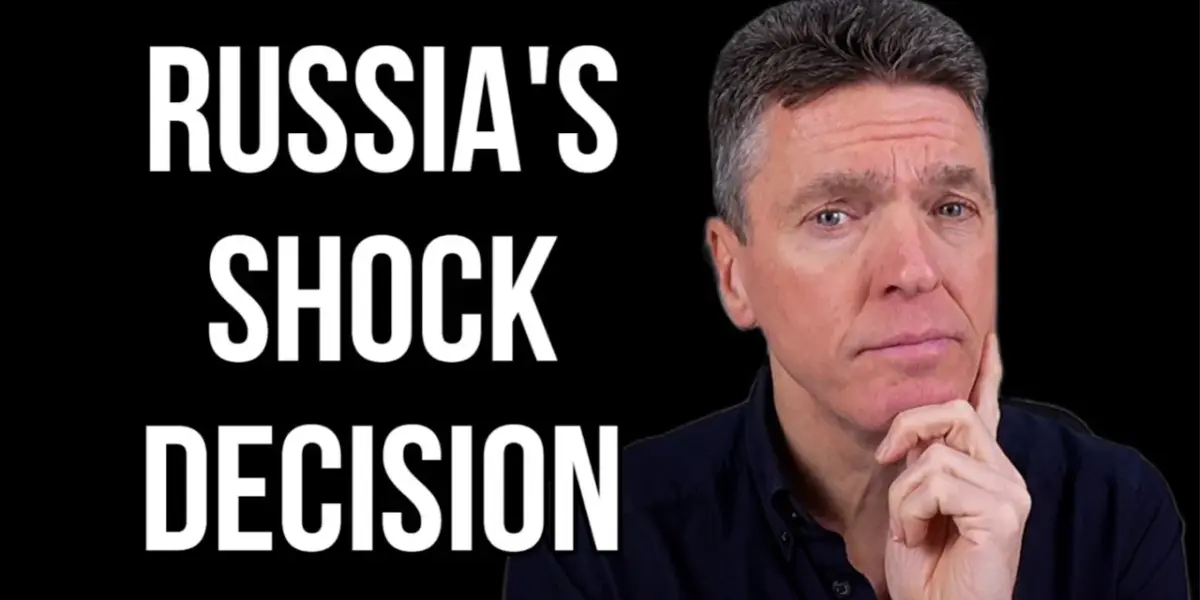
Russia Cuts Interest Rates Despite Stubborn Inflation
The Bank of Russia has made a surprising decision to lower its key interest rate to 15%, even though inflation remains significantly above its target. This move signals a shift in priorities, with the central bank now focusing on boosting economic growth over fighting rising prices. Inflation in Russia has been a persistent problem, often running much higher than in other major economies.
The official inflation target for Russia is 4%. This is considered a more achievable goal for Russia’s economy, which tends to be more volatile than those in places like the UK or the US, where the target is typically 2%. However, even by Russian standards, inflation has been too high. Last year, in March 2023, inflation hit 10.3%, a two-year high. While it fell to 5.6% by December, it has since crept back up, reaching 5.9% in February. This level is still about 50% higher than the Bank of Russia’s 4% goal.
The Usual Response vs. Russia’s Action
Normally, when inflation is too high, central banks raise interest rates. Higher rates make borrowing money more expensive. This discourages people and businesses from taking out loans, leading to less spending. Less spending helps cool down demand and, in turn, brings down prices. We’ve seen this strategy used by central banks worldwide over the past few years.
However, the Bank of Russia is doing the opposite. Instead of raising rates to combat inflation, it has been cutting them. This latest reduction to 15% continues that trend. This decision becomes even more puzzling when you consider Russia’s recent economic history.
A Look Back at Russia’s Interest Rate Rollercoaster
Following the invasion of Ukraine, the Bank of Russia initially hiked interest rates to an emergency high of 20% to stabilize the economy and currency. However, this rate was not sustainable, and by the end of 2022, rates were lowered to around 7.5%. This easing of policy contributed to inflation as borrowing became cheaper, encouraging spending and driving up prices.
In response, during 2023 and into early 2024, the Bank of Russia reversed course, pushing interest rates up to a very high 21%. This was seen as an effort to get inflation under control. But now, the central bank has clearly shifted its strategy again, signaling a move towards lower rates.
Why the Change? The Growth Dilemma
The key reason behind this rate cut appears to be a slowdown in economic growth. While Russia reported strong GDP growth above 4% in both 2023 and 2024, much of this was fueled by government spending, particularly on military production. This created a wartime economy, boosting output but not necessarily leading to sustainable, broad-based economic expansion.
The consequences of this economic model are now becoming apparent. In 2025, Russia’s GDP growth is projected to fall sharply to just 1%. This significant drop from previous years has prompted the Bank of Russia to prioritize growth. Lower interest rates are intended to make borrowing cheaper, encourage investment and spending, and stimulate the economy.
Caught Between a Rock and a Hard Place
Russia now faces a difficult balancing act. Inflation remains stubbornly high, while economic growth is weakening. Any action the central bank takes risks worsening one of these problems. Raising interest rates could push the economy into a deeper recession. Cutting rates, as they have done, risks further fueling inflation and weakening the ruble, Russia’s currency.
The decision to cut rates while inflation is still elevated is considered a risky move. It could lead to more price increases, further devalue the ruble, and embed higher inflation into the economy for a longer period. This persistent inflation can erode people’s purchasing power, damage consumer confidence, and create economic instability.
Global Factors Add to the Pressure
Adding to Russia’s challenges are global economic pressures. The ongoing conflict in Iran has driven up oil and gas prices, creating inflationary pressures worldwide. While higher energy prices can boost Russia’s export revenues, they also increase the cost of imports and disrupt supply chains, which directly contributes to domestic inflation within Russia.
This situation suggests that Russia could face renewed upward pressure on prices in the coming months. The Bank of Russia’s decision to cut interest rates in this environment appears counterintuitive, potentially adding fuel to the inflationary fire rather than preparing for it.
Short-Term Relief vs. Long-Term Pain
The central bank seems to be opting for short-term economic relief at the expense of potential long-term economic pain. The strategy of stimulating growth now and dealing with inflation later is precarious. Once inflation takes hold, it often requires more drastic measures to bring it under control, potentially leading to a more severe economic downturn down the road.
This move highlights that the Russian economy might be under more strain than official figures suggest. If the economy were strong, there would be no need to cut interest rates when inflation is high. The fact that they are cutting rates indicates that something is not working as intended. When you combine slowing growth, persistent inflation, currency concerns, and rising global costs, the economic outlook for Russia appears challenging.
What Investors Should Know
The Bank of Russia’s decision to prioritize economic growth by cutting interest rates, despite inflation being well above target, is a significant development. This move increases the risk of higher inflation in the near future, especially with rising global energy prices and supply chain issues. Investors should monitor inflation data and the performance of the Russian ruble closely. The central bank’s strategy creates a difficult trade-off, and its success will depend on managing both inflation and growth without causing severe economic instability.
Source: RUSSIA's Shock Decision (YouTube)

Related Articles


Middle Class Real Estate Dreams Fade
Rising prices and interest rates are making real estate less accessible for the middle class. Traditional wealth-building through property is becoming difficult. This article explores the economic factors, key terms, and strategies for aspiring investors navigating today's challenging housing market.

US Economy Thrives on Entrepreneurship, Says O’Leary
Investor Kevin O'Leary argues that the American Dream, fueled by entrepreneurship, is the U.S.'s strongest asset and key to its global economic leadership. He believes policies should prioritize protecting and promoting this entrepreneurial spirit for sustained growth and freedom.


Iran Rejects Trump Ceasefire, Fuels Inflation Fears
Iran has rejected a U.S. proposal for a temporary ceasefire, seeking a permanent end to the conflict. This decision heightens geopolitical tensions and fuels concerns about rising oil prices and inflation. The ongoing instability poses risks to global markets.