Russia, China Deepen Iran Ties Amid Geopolitical Strain
Russia and China are increasing their investments and support for Iran, signaling a significant geopolitical shift. This growing alignment between Tehran, Moscow, and Beijing aims to challenge Western influence and reshape regional dynamics.

Russia, China Deepen Iran Ties Amid Geopolitical Strain
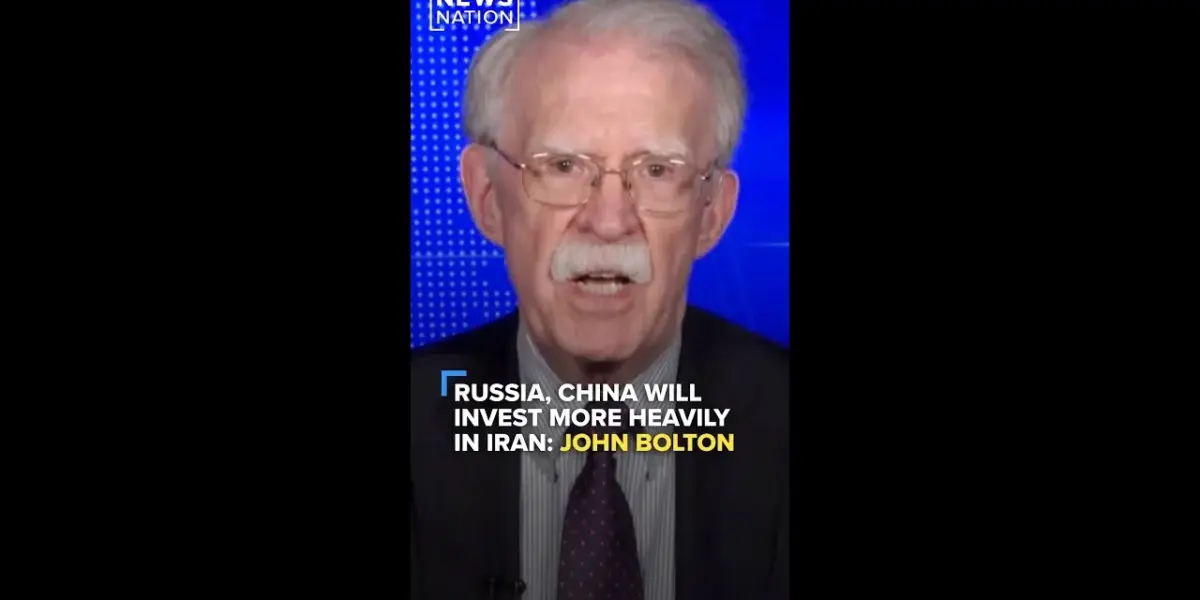
Recent analysis suggests Russia and China are set to significantly increase their investments and support for Iran. This move comes as Iran faces internal pressures and external scrutiny over its regional activities. John Bolton, former U.S. National Security Advisor, highlighted these growing ties, pointing to a complex geopolitical realignment in the Middle East.
Iran’s Internal Struggles and External Support
Iran’s government has been described as one that exports terror while also practicing severe repression internally. Reports of torture and executions within the country paint a grim picture of its human rights record. The stability of the regime itself remains a subject of debate, with some suggesting internal fractures at the highest levels.
These potential divisions could be exacerbated by external actions. For instance, sustained pressure, such as military actions or sanctions, might weaken the regime’s hold. This could lead to further fragmentation within the government, potentially destabilizing the entire country. The effectiveness of such pressure, however, depends on ongoing geopolitical calculations and international coordination.
Russia and China’s Strategic Interests
Russia has reportedly been sharing intelligence with Iran. This intelligence includes details about U.S. military positions, bases, ships, and personnel. This sharing of information underscores a deepening strategic partnership between Moscow and Tehran, likely aimed at countering Western influence.
Bolton indicated that both Russia and China are expected to invest more heavily in Iran. This increased investment signals a strategic bet on Iran’s long-term stability and its role in a multipolar world order. For Russia, strengthening ties with Iran could provide a valuable strategic partner in the Middle East, a region of significant global importance. For China, increased investment could secure access to energy resources and expand its economic and political footprint.
Global Impact and Shifting Alliances
The growing alignment between Iran, Russia, and China represents a significant development in international relations. It suggests a consolidation of powers seeking to challenge the existing U.S.-led global order. This bloc could present a united front on various international issues, from security to economic policy.
The United States and its allies may view this deepening relationship with concern. It could lead to increased regional tensions and a more complex security environment. The flow of intelligence and resources between these nations could also bolster Iran’s capabilities, potentially impacting regional stability and international security efforts. The long-term consequences of this geopolitical convergence will likely shape global dynamics for years to come.
Historical Context
The current geopolitical situation in Iran is partly a result of decades of complex international relations. Following the 1979 Iranian Revolution, the country became increasingly isolated from the West. This isolation pushed Iran to seek partnerships with other nations, including Russia and China, who also had complex relationships with Western powers.
Past international agreements and sanctions have also played a role. For example, the Joint Comprehensive Plan of Action (JCPOA), or Iran nuclear deal, aimed to curb Iran’s nuclear program in exchange for sanctions relief. However, the U.S. withdrawal from the deal in 2018 and the reimposition of sanctions altered the regional dynamics, potentially pushing Iran further into the arms of Russia and China.
Economic Considerations
Economic factors are crucial to understanding these alliances. Iran possesses significant oil and gas reserves, making it an attractive partner for energy-hungry nations like China. Russia, also an energy producer, may see cooperation with Iran as a way to manage global energy markets and counter Western sanctions.
Sanctions imposed on Iran by Western countries have historically limited its economic options. This has made it more reliant on partners like Russia and China for trade and investment. In turn, Russia and China may benefit from access to Iranian markets and resources, especially if they face their own economic challenges or restrictions.
Future Scenarios
One possible future scenario is the further consolidation of an Iran-Russia-China axis. This could lead to increased military cooperation, joint economic projects, and a coordinated approach to international diplomacy. Such a bloc could significantly challenge Western influence in regions like the Middle East and Central Asia.
Another scenario involves continued internal instability within Iran. If the regime struggles to maintain control, it could lead to unpredictable outcomes, including further fragmentation or even a change in government. This could alter the dynamics of its relationships with Russia and China, depending on who comes to power.
A third possibility is a diplomatic breakthrough. Should Iran and Western powers find common ground on key issues, the current trajectory of its alliances could shift. However, given the current geopolitical climate and deep-seated mistrust, this scenario appears less likely in the short term.
Source: Russia, China will invest more heavily in Iran: John Bolton | On Balance (YouTube)

Related Articles

GOP Lawmaker Slams Dems’ ‘Word Games’ on Iran Threat
A GOP lawmaker criticizes Democrats for perceived hypocrisy on the Iran threat, accusing them of "word games" and downplaying danger while the White House provides financial aid. The congresswoman highlights past warnings about Iran's nuclear program and contrasts them with current Democratic stances.

Trump’s Iran Announcement: Markets Brace for Impact
Former President Donald Trump is set to announce his strategy on Iran, leaving markets on edge. Analysts foresee potential escalation scenarios, with a 60% chance of increased regional tension impacting oil prices. A 'nothing burger' announcement is also possible, though less likely.
Trump’s Iran Policy: Allies Strain, Goals Unclear Amid War
President Trump's Iran policy faces growing scrutiny as the conflict drags on, straining alliances and leaving strategic goals unclear. Allies question U.S. reliability amid airspace bans, while lawmakers demand answers about the war's endgame. The administration's vague objectives and potential willingness to end the campaign without securing key waterways like the Strait of Hormuz raise concerns about future economic stability and international relations.