Russia Blames Governors for War Failures
The Kremlin is reportedly planning to replace governors in Russia's Belgorod, Bryansk, and Dagestan regions. This move appears to be an attempt to deflect blame for ongoing war failures and growing public discontent. The changes reflect increasing pressure on President Putin's administration.

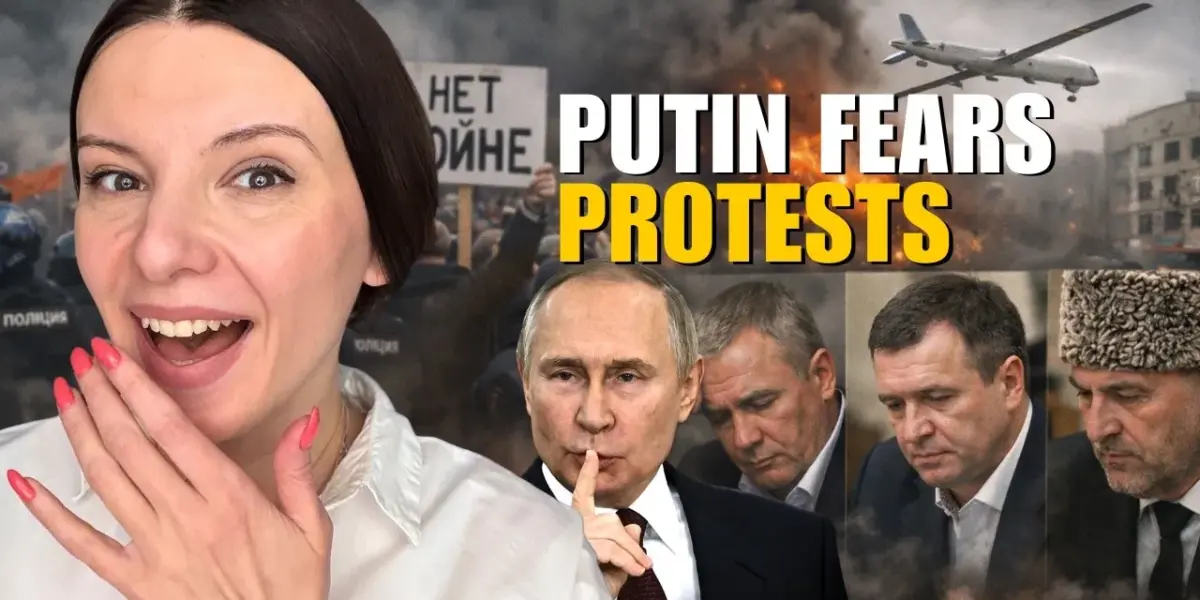
Russia Blames Governors for War Failures
The Kremlin is reportedly planning to replace governors in Russian regions that border Ukraine, including Belgorod and Bryansk. The head of the Dagestan Republic is also expected to be removed. This move comes as Russia faces increasing internal pressure and ongoing Ukrainian strikes on its territory. The Kremlin appears to be searching for scapegoats to deflect blame for the failures in its ongoing war in Ukraine.
Regional Leaders Targeted Amidst Growing Unrest
Sources suggest that the upcoming local elections in Russia, scheduled for 2026, are a factor in these planned personnel changes. While the elections are not expected to be free or fair, the period leading up to them could see increased protests and public discontent. Governors in border regions like Belgorod and Bryansk have reportedly faced criticism from the Kremlin. This is partly due to their inability to prevent Ukrainian attacks and manage the consequences.
Internet shutdowns, implemented by the Kremlin, have also created significant problems. These shutdowns disrupt essential services, including air raid alerts. This leaves civilians in constantly attacked regions more vulnerable. The governor of Belgorod, in particular, is said to have publicly criticized the Kremlin’s handling of air defense. He reportedly requested more systems for his region, suggesting that the defense of Belgorod’s residents should be prioritized over offensive actions in Ukraine. This public statement may have been perceived as disloyalty, potentially leading to his dismissal.
Dagestan and the Specter of Independence
The Republic of Dagestan, located in the North Caucasus, is also slated for a leadership change. Dagestan has been identified as a region with potential for independence movements. The Kremlin’s move to replace its head could be an attempt to consolidate control and prevent any further challenges to its authority.
Echoes of Past Purges and Corruption
This situation draws parallels to past events. For example, the governor of Kursk Oblast was reportedly dismissed last year after Ukrainian forces successfully operated within the region. Historically, Russian regional leaders have sometimes been made responsible for military setbacks. Corruption also appears to be a significant factor. Funds allocated by the Kremlin for border defense may have been misused by officials, who perhaps underestimated Ukraine’s military capabilities and the duration of the conflict. These officials may have believed propaganda that predicted a swift Russian victory.
Strategic Implications: Weakening Central Control
The planned dismissals highlight a growing sense of panic within the Kremlin. It suggests that President Putin’s administration is struggling to manage the multifaceted consequences of the war. The fact that regions like Belgorod and Bryansk, which are direct frontlines, are experiencing such instability is significant. These areas are crucial for Russian logistics and troop movement. Their vulnerability indicates a potential strain on Russia’s military operations. Furthermore, the public criticism from regional leaders, even if muted, points to internal divisions and a potential erosion of support for the war effort within Russia’s political elite. The focus on replacing governors in border regions also suggests a recognition that the war is no longer confined to Ukrainian territory, but is actively impacting Russian soil.
What This Means on the Ground
For residents in Belgorod, Bryansk, and Dagestan, these changes could mean further instability in the short term. New leaders may implement different policies, but the underlying security challenges will likely persist. The ongoing conflict means that these regions will continue to face the threat of Ukrainian strikes and the disruptions associated with wartime conditions. The Kremlin’s attempt to find scapegoats may not quell public discontent, especially if the war continues without clear Russian victories. The focus on corruption also suggests that the Kremlin might be trying to address internal issues to improve the war effort, though past attempts have had limited success.
Broader Geopolitical Impact
These internal power struggles within Russia have broader geopolitical implications. They signal a potential weakening of Putin’s grip on power and highlight the significant costs of the war. Such developments could embolden Ukraine and its allies, reinforcing the idea that Russia’s military and political foundations are being tested. The instability within Russia might also influence its foreign policy decisions and its approach to negotiations. The international community will be closely watching these internal shifts for signs of how they might affect the trajectory of the conflict and regional stability.
Source: PUTIN PANICS: PROTESTS GROW IN DAGESTAN BRYANSK BELGOROD REGIONS Vlog 1373: War in Ukraine (YouTube)

Related Articles

Putin Declares Easter Ceasefire; Ukraine Demands Reciprocity
Russia declared a unilateral Easter ceasefire, but Ukraine demanded reciprocity, emphasizing that any pause must be mutual. President Zelenskyy warned of catastrophic losses if Russia attempts to fully occupy Donbas. Meanwhile, Russia continues to patrol maritime routes and tighten internet controls, while the UK reinforces Middle Eastern defenses and tracks Russian submarine activity.

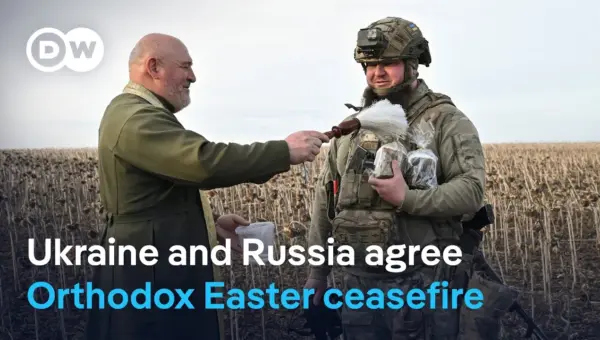
Ukraine Skeptical of Putin’s Easter Ceasefire Offer
Russia's President Vladimir Putin has proposed a 32-hour ceasefire for Orthodox Easter, but Ukraine remains deeply skeptical. Past truces have failed, with both sides accusing each other of violations. Residents and officials in Kyiv express little faith in the current offer, citing a history of broken promises and continued military escalation.

Putin Purges Defense Circle Amid War Woes
President Putin is reportedly purging allies of Defense Minister Sergei Shoigu, arresting deputies on corruption charges. This move may aim to deflect blame for military failures or weaken Shoigu's influence amid growing internal dissent.