Russia Aims to Dictate Ukraine Peace Terms
U.S. intelligence suggests Russia aims to dictate peace terms in Ukraine, bolstered by battlefield gains. Moscow plans extensive troop recruitment and continues to pose missile threats. Meanwhile, escalating tensions in the Middle East and diplomatic challenges within Europe, including Hungary's stance on aid, add complexity to the geopolitical landscape.

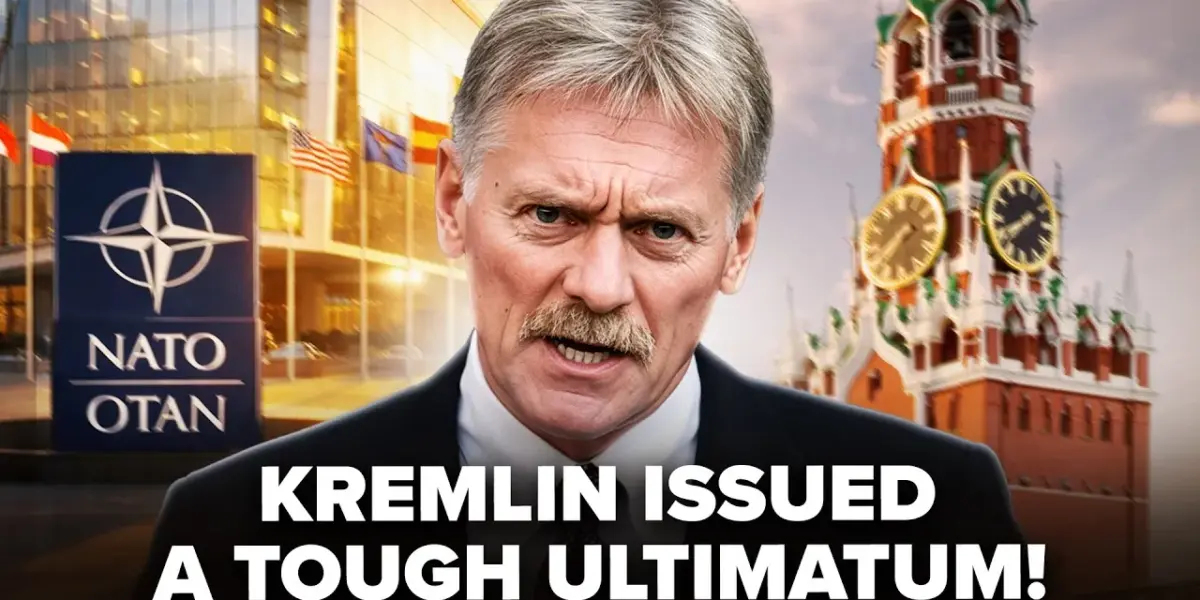
Russia Eyes Battlefield Victory, Seeks to Dictate Peace Terms
U.S. intelligence assessments indicate Russia believes it can win the war in Ukraine and impose its own peace conditions. This confidence stems from Russia maintaining the upper hand on the battlefield over the past year. Moscow sees little reason to halt its offensive as long as its forces continue to advance. However, U.S. efforts to broker peace could alter this situation and lessen the conflict’s regional impact. A lasting settlement in Ukraine might also lead to improved relations between the U.S. and Russia.
Russia’s Military Posture and Global Threats
Intelligence reports highlight Russia’s continued reliance on nuclear and missile threats. The U.S. intelligence community’s annual threat assessment warns that Russia’s nuclear rhetoric and use of medium-range missiles increase the risk of the war spreading. The report also cited acts of sabotage against U.S. allies, including a train explosion in Poland last November. Despite battlefield losses, Russia’s military, including its air force and navy, remains intact and may even be stronger than before the full-scale invasion. Moscow is also strengthening ties with China, Iran, and North Korea. Russia employs cyber attacks, disinformation campaigns, energy market manipulation, and sabotage to advance its interests globally.
Escalating Recruitment and Defensive Measures
Russia’s military plans indicate no intention of ending the war soon. This year, Moscow plans to draft an additional 49,000 troops to sustain its operations in Ukraine. According to Ukraine’s Commander-in-Chief Alexander Syrsky, Russia intends to recruit another 409,000 troops by 2026. Syrsky stated that the enemy is not abandoning its objectives and is preparing for further aggression. With spring’s arrival and improved weather conditions, Russian forces have become more active on the front lines. Ukraine is implementing measures to counter these advances and protect its soldiers. Key tasks include strengthening fortifications, developing anti-drone defenses, and preparing towns and villages for defense.
Stalled Peace Talks and Diplomatic Impasse
Peace talks between Ukraine, the U.S., and Russia are currently on hold, with no new negotiations planned in the immediate future. Kremlin spokesperson Dmitry Peskov described the pause as temporary, suggesting it could end once all parties, particularly the Americans, coordinate their schedules. He indicated that once American mediators can dedicate more attention to Ukrainian matters, a new round of trilateral talks could occur. Ukrainian President Volodymyr Zelensky has expressed apprehension about talks with Russia, citing a perceived shift in U.S. attention towards the situation in Iran. Zelensky stated that Ukraine is willing to meet anywhere except in Russia.
Growing Missile Threats and Potential Strikes
U.S. intelligence warns that Russia, China, and North Korea are developing new weapon systems. Projections suggest that by 2035, the number of foreign missiles capable of striking U.S. territory could exceed 16,000, a significant increase from the current estimated 3,000. These nations are developing and upgrading missiles that can carry both nuclear and conventional warheads. The report also cautions that these missile arsenals, especially those with nuclear capabilities, could threaten space systems. U.S. officials report that Russia is working on a satellite designed to carry nuclear weapons for attacking orbital targets.
Hungary’s Obstruction and EU Tensions
Hungarian Prime Minister Viktor Orbán is reportedly blocking EU aid to Ukraine. He has stated he will not support any decisions favorable to Kyiv until Russia resumes oil transport through the Druzhba pipeline. Orbán’s stance comes amid growing anti-Ukrainian sentiment in Hungary, with the opposition Tissa party leading in recent polls ahead of the April 12th parliamentary elections. Orbán’s campaign has often featured anti-Ukrainian messages. Meanwhile, Finnish Prime Minister Petteri Orpo accused Orbán of betraying the European Union and using Ukraine as a political tool. Orpo urged Ukraine and the European Commission to find a solution to the pipeline issue.
Ukraine’s Pipeline Repair Efforts
Ukrainian President Volodymyr Zelensky informed EU leaders that restoring transit through the Druzhba pipeline, damaged by Russian strikes, could take approximately six weeks. In a letter obtained by European Pravda, Zelensky explained that the recent damage to pipeline infrastructure, including a pumping station in Brody, has compromised the necessary pressure for safe oil transit. He emphasized that Ukraine is not deliberately blocking oil flow and has begun working on alternative technical solutions immediately after the strike. These repairs are reportedly nearing completion.
Escalation in the Middle East and U.S. Military Considerations
The conflict in the Middle East is intensifying, prompting the U.S. administration to consider deploying additional troops to the region, potentially including ground forces. Sources indicate the U.S. is contemplating sending thousands of troops and naval assets to ensure safe passage of oil tankers through the Strait of Hormuz. Discussions have also included the possible deployment of ground forces to Iran’s Kharg Island, a critical hub for its oil exports. Such an operation carries significant risks, as Iran could retaliate with missile and drone strikes. U.S. officials are also exploring options to monitor Iran’s stockpiles of highly enriched uranium. No final decisions have been made, and the administration is reportedly keeping all options open.
Massive Funding Request for Middle East Operations
The U.S. Department of Defense has requested over $200 billion from Congress to fund further operations in the Middle East. This request, reported by The Washington Post, significantly exceeds the cost of ongoing air strikes. The funds are intended to rapidly increase the production of critical weapons used by U.S. and Israeli forces. Deputy Pentagon Chief Stephen Fryburg is preparing measures to address shortages of precision munitions and stimulate the U.S. defense industry. While military spending is rising rapidly, some White House officials doubt Congress will approve the additional funding. Experts also point to limitations in the U.S. industrial capacity to quickly scale up production due to labor and material shortages.
Source: 😱Total hysteria in Kremlin! They made a sharp statement. Peskov issued comment on talks (YouTube)

Related Articles


Iran Extends Strait of Hormuz Deadline Amid Global Oil Tensions
The U.S. has granted Iran a 10-day extension to reopen the Strait of Hormuz, a critical global oil route. This move comes amid complex negotiations, military actions, and concerns over Iran's strategic leverage and resilience. Lawmakers express frustration over the lack of a clear strategy and potential escalation.

Iran Tensions Rise, Airport Chaos Looms
Global tensions escalate as Iran war concerns impact oil prices and stock markets. Simultaneously, a potential end to the TSA worker pay crisis is in sight with a presidential order. In personal news, Savannah Guthrie shares new details about her mother's kidnapping, while the family of an Idaho murder victim champions a new law protecting victims' privacy. Finally, Nicolas Maduro challenges his indictment in a New York court over legal fees.


Iran: Regime’s Tactics Shift Global Power Dynamics
Iran's regime is employing strategic tactics, including control of the Strait of Hormuz, to counter U.S. military might. Meanwhile, a U.S. government shutdown paralyzes domestic services, highlighting deep political divisions. These geopolitical shifts, alongside profound personal tragedies, signal a turbulent global landscape.