Russia Aims for Self-Sufficiency Amidst War
Russia is prioritizing domestic military uniform production and seeking new energy markets amidst ongoing conflict. Moscow welcomes a Middle East ceasefire while continuing strikes in Ukraine. Meanwhile, Hungary strengthens ties with Russia through a new cooperation agreement.

Russia Pushes Domestic Uniform Production
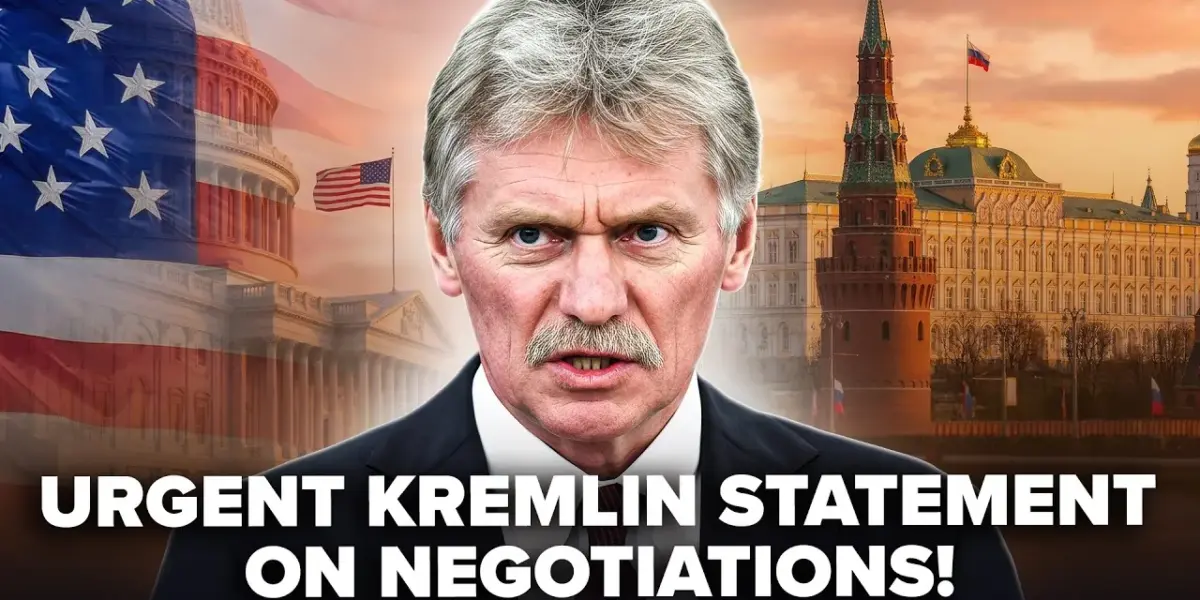
The Kremlin announced a significant shift towards self-sufficiency in military apparel. President Putin acknowledged that the Russian army still faces challenges in fully equipping its soldiers with proper uniforms. This admission came after the governor of Ivan region thanked Putin for supporting the textile industry. The government has issued a decree banning the purchase of foreign military uniforms starting January 2026. By 2027, all uniforms are expected to be made from Russian-produced fabrics. Officials state this move aims to strengthen defense supply independence.
Kremlin Welcomes Ceasefire, Blames US for Talks Slowdown
Kremlin spokesman Dmitry Peskov expressed welcome for the ceasefire between the United States and Iran. He praised the decision not to target civilian and economic sites in Iran. Peskov stated Moscow has advocated for deescalation since the conflict’s start. He also commended Donald Trump’s efforts towards peace and hinted at renewed trilateral talks. Peskov claimed negotiations with the U.S. have slowed due to Washington’s focus on other issues. He asserted that Russia continues to engage with Americans through available channels.
Russia Continues Strikes on Ukraine
Despite discussions of diplomacy, Russia continues daily missile and drone strikes on Ukrainian cities. Civilian areas, homes, and infrastructure are consistently hit. The Kremlin portrays these delays in diplomacy as temporary, not broken. Peskov also stated Russia lacks clear information regarding a potential visit by a U.S. delegation to Kyiv after Easter.
Caspian Pipeline Consortium Strikes Confirmed
Peskov confirmed that strikes occurred on the Caspian Pipeline Consortium. He deferred specific details to the Russian military. Kazakhstan’s energy ministry reported that oil shipments are continuing despite the attacks. Russia has acknowledged the strikes but avoided specific accountability for their consequences.
Ukraine Reiterates Invitation for U.S. Talks
Ukraine’s Foreign Ministry spokesman Oleg Nikolenko confirmed that the invitation for an American delegation remains open. He stated Ukraine would welcome them when ready. Ukrainian and American teams are reportedly working to improve a draft security guarantees document. Ukraine sees a new opportunity for diplomacy, considering recent developments in the Middle East and its own role.
Russia Seeks Stable Energy Supplies Amidst Sanctions
Russia is actively negotiating with Serbia and Hungary to ensure stable energy supplies. Peskov reported ongoing working contacts and numerous requests for Russian energy from alternative markets. He emphasized these talks are conducted in Russia’s best interest. Following attacks on oil infrastructure and sanctions, Russia is seeking new buyers and routes. Hungary, an EU member, and Serbia, outside the EU but reliant on Russian energy, are key partners in these efforts. Russia is attempting to reconfigure its energy market as its infrastructure faces attacks and traditional markets shrink.
India Links Middle East Peace to Ukraine Diplomacy
India called for peace, connecting developments in the Middle East to the conflict in Ukraine. New Delhi welcomed the West Asia ceasefire, emphasizing deescalation and diplomacy. India highlighted the impact of conflicts on global energy markets and shipping routes. The nation pointed to the Strait of Hormuz as an example of how disruptions affect oil flows, which in turn impacts the economics of Russia’s war. India expressed hope that progress in the Middle East could encourage diplomatic efforts concerning Ukraine.
U.S. Senator Criticizes Ukraine, Praises Hungary
U.S. Senator JD Vance criticized Ukraine during a visit to Budapest. He expressed shock at alleged remarks by Ukrainian President Zelenskyy regarding Hungarian Prime Minister Viktor Orbán. Vance repeated claims of threats without presenting evidence, calling them scandalous and unacceptable. He also accused the European Union of foreign influence for freezing funds to Hungary. Vance blamed Ukraine for energy decisions that he claimed harm Hungarian citizens. Notably, Russia was largely absent from his criticisms.
Hungary Deepens Ties with Russia
Hungary’s government has reportedly agreed to a 12-point plan with Russia to expand cooperation. This agreement covers energy, trade, education, and culture, even as Russia’s invasion of Ukraine continues. The plan includes close alignment on oil, gas, nuclear fuel, and industrial projects. It also involves softer measures like student exchanges and cultural programs, channels Moscow has historically used for influence. The agreement includes strengthening Russian language education by importing teachers from Russia and mutual recognition of qualifications.
Source: ⚡️Peskov reveals what’s NEXT in war! These Kremlin statements CHANGE EVERYTHING (YouTube)

Related Articles
Hungary Votes: Orban’s Russia Ties vs. EU Future
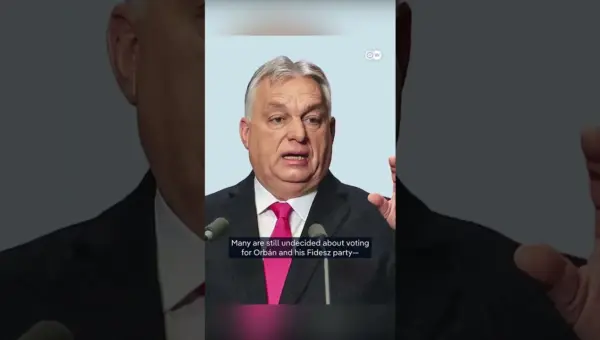
Hungary is at a critical juncture as voters decide between Prime Minister Viktor Orban's Russia-aligned policies and opposition leader Peter Márki-Zay's pro-EU platform. The election highlights deep societal divisions and carries significant implications for the future of Hungary and the European Union.

Ukraine Strikes Crimea’s Last Rail Ferry
Ukraine is escalating its campaign against Russian logistics, disabling key infrastructure like the last rail ferry to Crimea and employing drone-only tactics to destroy bridges. Simultaneously, Ukraine is increasing its long-range drone attacks inside Russia, forcing a parallel expansion of Russia's drone forces. These actions, alongside growing vulnerabilities in Russia's Black Sea Fleet and unexpected economic windfalls from oil prices, are reshaping the battlefield dynamics.
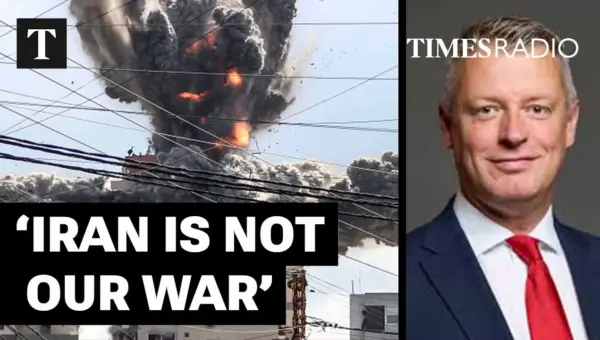
UK Defends Allies But Says ‘Iran Is Not Our War’
Britain is stepping up to defend allies in the Middle East but insists "Iran is not our war," according to the Minister for Defense Readiness and Industry. The UK is focusing on defensive measures and leading international efforts to reopen the vital Strait of Hormuz. The government also addressed concerns about NATO's future and countered Russian aggression against undersea cables.