Russia Aids Iran on US Targets, Trump Silent Amid Global Tensions
Russia is reportedly providing Iran with intelligence to target U.S. troops, a claim President Trump has largely dodged. Amidst escalating global tensions, oil prices are soaring and the U.S. is considering lifting sanctions on Russian oil. Meanwhile, Russia's participation in the Paralympics sparks international controversy, and Lithuania warns of a potential Russian conflict with NATO.

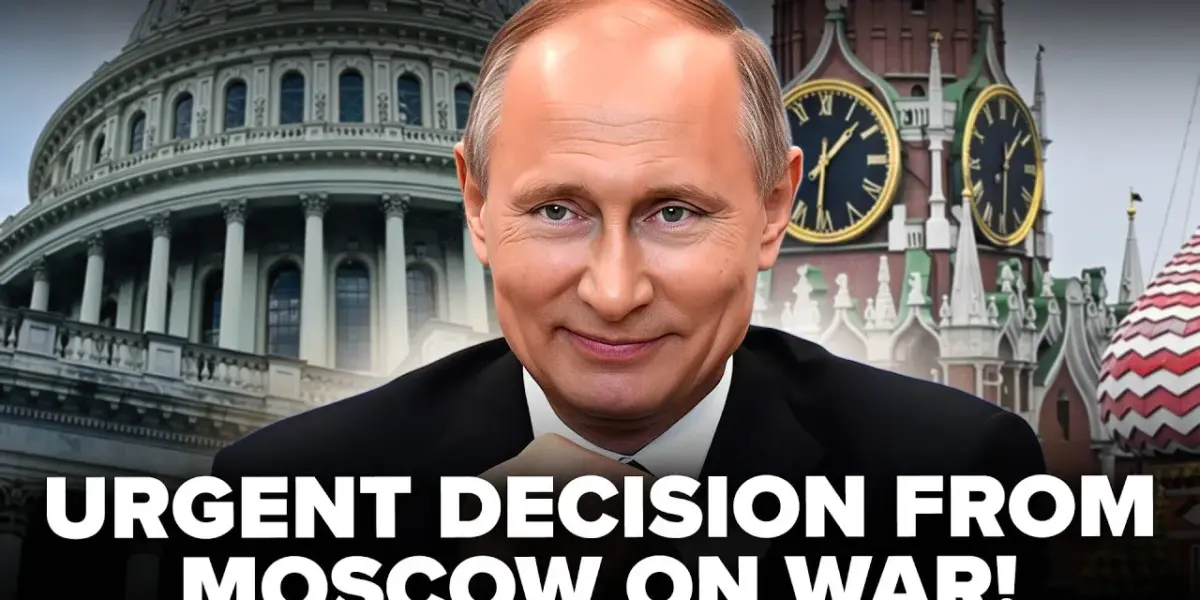
Russia Accused of Aiding Iran Against US Troops, Trump Dodges Questions
In a rapidly developing geopolitical landscape, reports have surfaced alleging that Russia is providing intelligence to Iran, potentially aiding in strikes against U.S. forces in the Middle East. The claims, which emerged from The Washington Post and were corroborated by U.S. officials speaking anonymously, suggest that Moscow has been sharing coordinates of American military targets, including ships and aircraft, with Tehran since the commencement of U.S. operations against Iran. This alleged collaboration has raised significant concerns about the safety of American personnel and the escalating tensions in the region.
The allegations came to light as President Donald Trump faced pointed questions regarding the matter. During a White House roundtable discussion on college sports, Trump deflected inquiries from Fox News reporter Peter Ducey about the intelligence sharing. When pressed, Trump reportedly dismissed the issue as a “small problem” compared to the sports discussion at hand, and later characterized the question as “stupid.” This response has drawn criticism, with many questioning the President’s willingness to confront Russia on this serious accusation.
Analysis of Russian Intelligence Support and Iranian Strike Capabilities
Analysts suggest that Russian intelligence, particularly satellite imagery and targeting data, could be instrumental in explaining the precision of recent Iranian strikes on U.S. assets. These strikes have reportedly targeted early warning radars, long-range detection systems, and temporary military facilities, demonstrating a sophisticated understanding of U.S. vulnerabilities. Experts like Darra Masikott note that Iran’s limited satellite capabilities make Russian data, derived from Moscow’s more advanced space program, exceptionally valuable.
Harvard researcher Nicol Gravski further observed that Iranian strikes exhibit a high level of technological proficiency in both target selection and overwhelming U.S. and allied air defenses. The increasing effectiveness of Iranian missiles and drones in penetrating these defenses has been a growing concern, even surpassing the intensity of previous conflicts. The Pentagon has acknowledged the rapid depletion of high-precision weapons and air defense interceptors, a concern previously highlighted by Chairman of the Joint Chiefs Gen. Dan Kaine.
Defense Secretary Pete Haxit, while speaking with CBS News, stated that he was “not worried about Iran receiving Russian intelligence on US positions.” He added, “President Trump knows very well who is talking to whom. … We’re putting the other guys in danger and that’s our job. So we’re not concerned about that.”
Global Ramifications: Oil Prices, Sanctions, and the Paralympics
The geopolitical instability has had a tangible impact on global energy markets, with oil prices surging significantly. The conflict in the Middle East has led to disruptions in shipping through the Strait of Hormuz, a critical chokepoint for global oil transportation. Energy executives and traders are warning of a potential “tipping point,” with predictions of oil prices reaching $100 per barrel. The disruption has led to a scenario where supertankers are stranded, and the number of available vessels in the Persian Gulf is dwindling, potentially forcing producers to cut output.
In response to market volatility, the U.S. is reportedly considering lifting sanctions on Russian oil to stabilize the market. Treasury Secretary Scott Basson indicated that the U.S. might “unsanction other Russian oil,” citing hundreds of millions of barrels of sanctioned crude currently at sea. This move aims to increase supply and temper price spikes, though officials stress it does not represent an easing of sanctions related to the war in Ukraine, but rather pertains to shipments already in transit.
Meanwhile, the International Paralympic Committee’s decision to reinstate Russia’s membership has sparked controversy. Russian military athletes, including veterans of the conflict in Ukraine, are now eligible to compete in the Paralympics under their national symbols. This decision has led to boycotts from several European countries, including Ukraine, Estonia, Finland, Latvia, Lithuania, and Poland, who protested the participation of Russian athletes. Despite the controversy, International Paralympic Committee President Andrew Parsons defended the decision, stating that the movement offers a “second chance” for injured individuals and that many countries recruit athletes from their armed forces.
Andrew Parsons stated, “Our movement started after World War II, specifically with injured military personnel. So what the Paralympic movement offers is possibility after war. We are against any war, any conflict, but what we offer is an opportunity for those who are injured in war to be reintegrated into society through sport.”
Kremlin Threats and NATO Intelligence Warnings
Adding to the complex global security picture, the Kremlin has issued threats to Finland regarding its potential deployment of nuclear weapons. Russia views any such move as a direct threat, with Kremlin spokesman Dmitry Peskov stating that Finland would be “threatening us, and if Finland threatens us, we will take appropriate measures.” This statement follows Finland’s announcement of plans to lift a long-standing ban on nuclear weapons on its territory, a move intended to bolster its defense as a member of NATO.
Furthermore, Lithuanian intelligence has issued a stark warning, suggesting that Russia could be prepared for a large-scale conflict with NATO within six years if sanctions are lifted. The report indicates that Russia is increasing its forces along the NATO border and using the conflict in Ukraine to gain combat experience. Experts believe Russia aims to rebuild its military to be significantly larger and more modern than pre-war levels, with restored strategic stockpiles of weapons and ammunition. The report also points to potential sabotage incidents, such as pipeline and cable outages, which Lithuanian officials link to Russian military intelligence, warning that such activities could increase in scale and pose a threat to human life.
Looking Ahead
The coming weeks will be critical in observing how President Trump’s administration responds to the allegations of Russian intelligence sharing with Iran. The potential economic implications of U.S. policy on Russian oil sanctions and the ongoing global energy market fluctuations will also be closely watched. Additionally, the international community will be monitoring the impact of Russia’s participation in the Paralympics and the broader implications of Finland’s defense policy shifts and the escalating warnings from NATO intelligence.
Source: 😱Putin exposed Trump to a blow! Secret data leaked out of Moscow. What's unfolding? (YouTube)

Related Articles
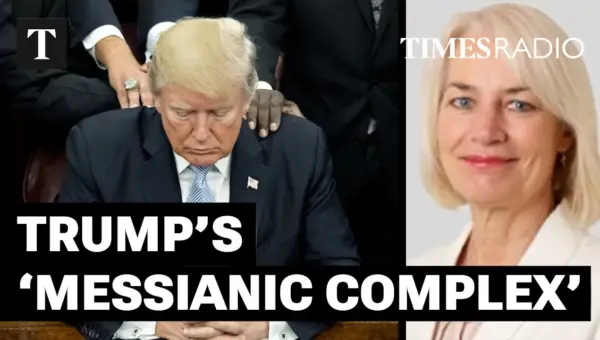
Trump’s ‘Messianic Complex’ Fuels Global Conflict, Analyst Says
Sarah Baxter, Director of the Marie Culvin Center for International Reporting, argues that Donald Trump's "messianic complex" is driving his foreign policy, potentially at the cost of domestic economic stability. The escalating conflict with Iran and rising oil prices have placed Vice President JD Vance in a difficult political position, fracturing the MAGA coalition and raising questions about future leadership within the Republican party.

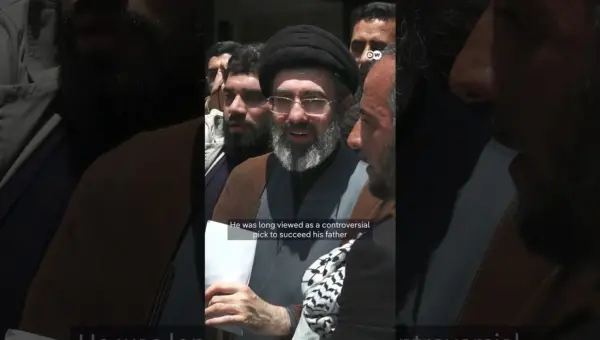
Iran Taps Khamenei’s Son as Leader, Signals Defiance
Iran's Assembly of Experts has appointed Mojtaba Khamenei, son of the late Ayatollah Ali Khamenei, as the next Supreme Leader, signaling defiance against international pressure. This controversial hardline choice, drawing parallels to dynastic succession, suggests Iran will not back down in its regional conflicts.


UK PM Must Court Trump Despite Party Backlash
British Prime Minister Keir Starmer faces a difficult balancing act, needing to maintain a crucial relationship with the US President despite domestic criticism. Rising global tensions and economic instability add further pressure, complicating the government's agenda and public finances.