Russia Aiding Iran in Targeting US Forces, Trump Eases Sanctions
Russia is reportedly providing Iran with crucial targeting intelligence to strike U.S. military assets in the Middle East, a development that coincides with the Trump administration easing sanctions on Russia. This situation is exacerbating a global energy crisis and raising questions about U.S. foreign policy objectives.

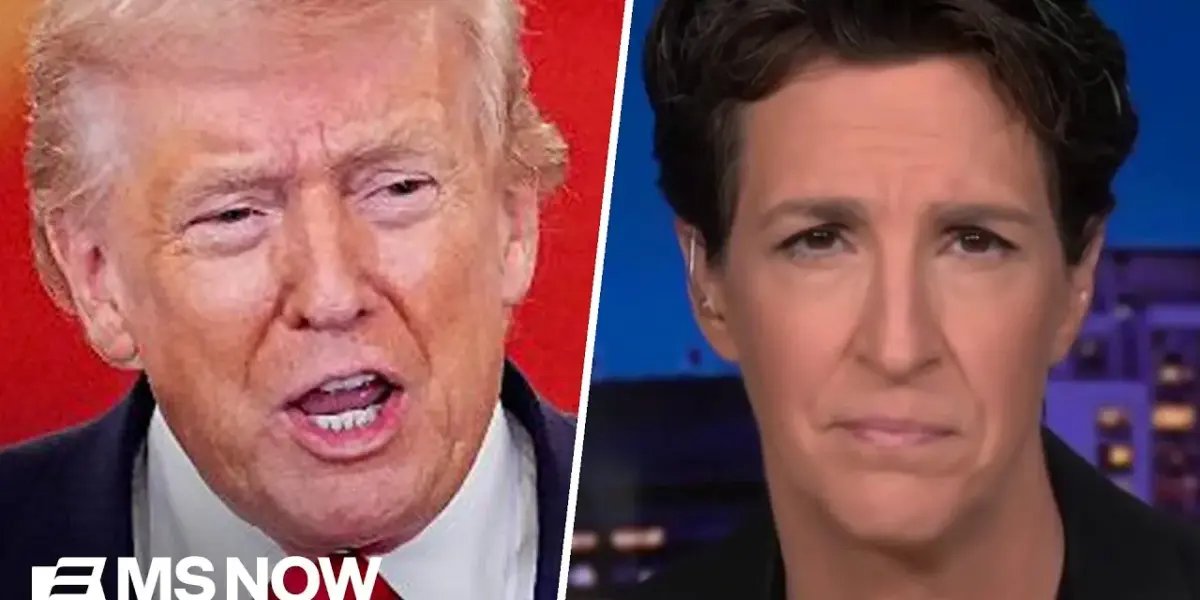
Russia Provides Critical Targeting Data to Iran Against US Forces
In a significant development with potentially far-reaching geopolitical consequences, reports indicate that Russia is actively supplying Iran with crucial targeting information to strike American military personnel and facilities across the Middle East. This intelligence sharing, first reported by The Washington Post and subsequently corroborated by the Associated Press and MSNBC, suggests a deepening alliance between Moscow and Tehran, leveraging sophisticated Russian intelligence capabilities to undermine U.S. interests.
The nature of the assistance is described as highly specific, with Russia providing Iran with precise locations of U.S. troops and military installations. This level of detail is particularly concerning given Iran’s limited independent satellite and reconnaissance capabilities. “Russia is providing Iran with targeting information to attack American forces in the Middle East,” The Washington Post stated, highlighting the “exquisite intelligence capabilities” of one of America’s chief nuclear-armed competitors now actively involved in a rapidly expanding conflict.
U.S. intelligence assessments have reportedly confirmed Iran’s ability to strike American targets with surprising accuracy, hitting sensitive locations such as a control facility in Bahrain and U.S. radar installations. The precision of these attacks points to external assistance, which is now understood to be originating from Russia. This collaboration allows Iran to identify and target American assets effectively, posing a direct threat to U.S. forces in the region.
Trump Administration Eases Sanctions on Russia Amidst Intelligence Sharing Revelations
Coinciding with these revelations of Russian military support for Iran, the Trump administration has reportedly taken steps to ease sanctions on Russia. This move, which includes allowing Russia to sell more of its oil and gas, appears to contradict efforts to counter Russian aggression and influence. The decision to provide financial relief to Russia comes at a time when Moscow is allegedly aiding an adversary of the United States in targeting American troops.
The transcript suggests a potential quid pro quo or at least a parallel policy track where the U.S. faces an escalating threat from a Russia-Iran axis while simultaneously offering economic concessions to Russia. This policy appears to benefit Russia financially, allowing it to replenish coffers depleted by its ongoing involvement in the war in Ukraine. “Russia is financially is actually really enjoying this moment,” the report notes, as its primary exports – oil, gas, and war – are in high demand or directly benefiting from global instability.
Furthermore, the conflict in the Middle East, fueled in part by Russian intelligence enabling Iranian attacks, is seen as a strategic advantage for Russia. By compelling the U.S. to expend significant missile and interceptor munitions, Russia indirectly weakens the U.S. capacity to supply similar weaponry to Ukraine for its defense against Russian forces. This creates a “win-win” scenario for Russia, bolstering its economy and degrading a key adversary’s military resources.
Global Energy and Food Crises Intensify Amidst Middle East Conflict
The escalating conflict in the Middle East, referred to as “Gulf War 3” in the transcript, has triggered a severe global energy crisis, described as the most significant since the 1970s by The Wall Street Journal. Major oil-producing nations, including Saudi Arabia, have significantly cut production. This disruption has led energy companies in Qatar, Kuwait, and Bahrain to declare force majeure, signaling an inability to meet contractual obligations due to unforeseen circumstances impacting their production and supply chains.
The impact extends beyond oil and gas. Critical supply chains for food and industrial materials are also being choked off. Large volumes of fertilizer, essential for global agriculture, pass through the Strait of Hormuz, a key shipping lane now under threat. Similarly, raw materials for the petroleum industry, crucial for plastics production, are becoming scarce. This has led to scaled-down operations at manufacturing facilities, such as a plastics plant north of Tokyo, and has impacted the production of aluminum and other commodities, forcing smelters to shut down.
The energy crisis is having profound socio-economic effects worldwide. Nations are implementing drastic measures to conserve energy and manage dwindling supplies. Bangladesh has closed universities to reduce electricity consumption and transportation needs. The Philippines, including the capital Manila, has mandated a four-day workweek for businesses to save energy. Vietnam is experiencing fuel shortages, with gas stations running out of supply. Pakistan has resorted to hiking gas prices in an attempt to curb consumption and preserve diesel for essential services like trucks and buses.
Unclear Justification for U.S. Involvement and Trump’s Communication with Putin
Amidst the escalating global crisis and the unfolding geopolitical drama, the justification for U.S. involvement in the current Middle East conflict remains conspicuously unclear. Unlike previous “Gulf Wars,” which had at least overt, albeit sometimes fabricated, pretexts, the current situation lacks a coherent explanation from the President or the White House. During a rambling press conference at one of his golf resorts, President Trump offered a vague rationale, stating, “We’re doing this for the other parts of the world.” This statement, while open to interpretation, offers little concrete detail on the specific objectives or benefits for the United States.
Adding another layer of intrigue, the transcript highlights a reported hour-long phone call between President Donald Trump and Russian President Vladimir Putin. This call was not announced by the White House but was instead disclosed by the Kremlin, raising questions about transparency and the administration’s awareness of the President’s communications with a geopolitical rival. The circumstances surrounding this call, including whether it was officially scheduled or spontaneously initiated, remain obscure.
The article suggests a complex and potentially contradictory foreign policy approach, where the U.S. faces an emerging threat from a Russia-Iran alliance that is actively targeting American forces, while simultaneously easing sanctions on Russia and lacking clear public justification for its own military actions in the region. The situation raises critical questions about strategic priorities, international alliances, and the broader implications for global stability and security.
Source: Maddow: Trump admits what the attack on Iran is really for (YouTube)

Related Articles
Iran Denies Turkey Missile Strikes as NATO Expert Casts Doubt
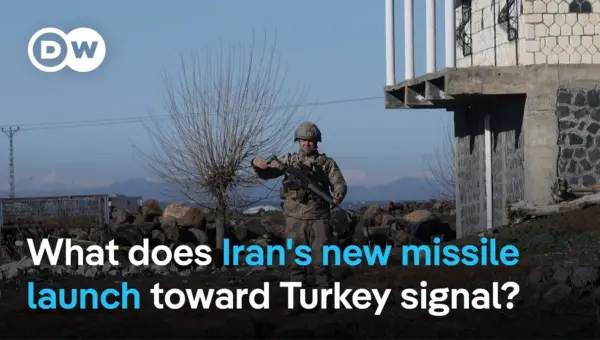
NATO defenses intercepted an Iranian ballistic missile over Turkey for the second time, prompting Iran to deny aggressive intent. However, a NATO expert expressed strong doubts, calling Iran's claims difficult to believe amidst escalating regional tensions. Turkey continues its delicate balancing act between its alliance obligations and regional diplomacy.
Iran Appoints New Leader Amidst Escalating Regional Conflict
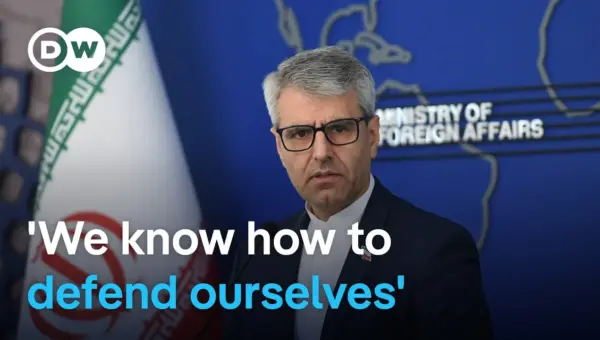
Iran has appointed Moabah Hami as its new Supreme Leader amid escalating regional hostilities, drawing international scrutiny. The Foreign Ministry spokesperson defended the appointment as constitutional and asserted Iran's right to self-determination, while labeling the ongoing conflict as an "act of aggression" by the US and Israel.
Iran Targets Gulf Infrastructure in Escalating Conflict
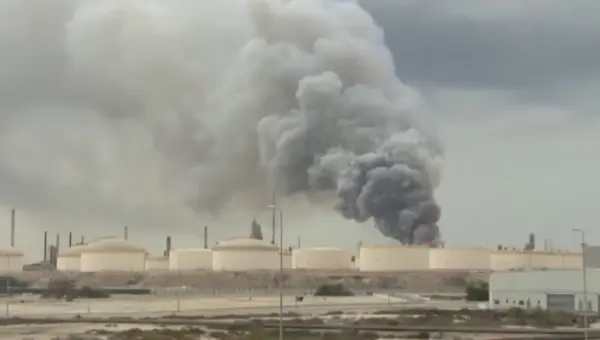
Iran is escalating its conflict by targeting critical civilian infrastructure like desalination plants and airports in Gulf states, a strategy driven by a need for survival rather than victory. Military analysts suggest this approach aims to exert pressure and inflict economic pain on adversaries, potentially leading to a prolonged period of heightened tensions.