Russia Accuses US Amid Iran Alliance Fears
Russian Foreign Minister Sergey Lavrov accused the U.S. of undermining global energy markets and interfering in other nations. These claims coincide with deepening ties between Russia and Iran, raising concerns about a strategic partnership. Lavrov's rhetoric contrasts with U.S. efforts to maintain dialogue and highlights perceived double standards.

Russia Accuses US Amid Iran Alliance Fears
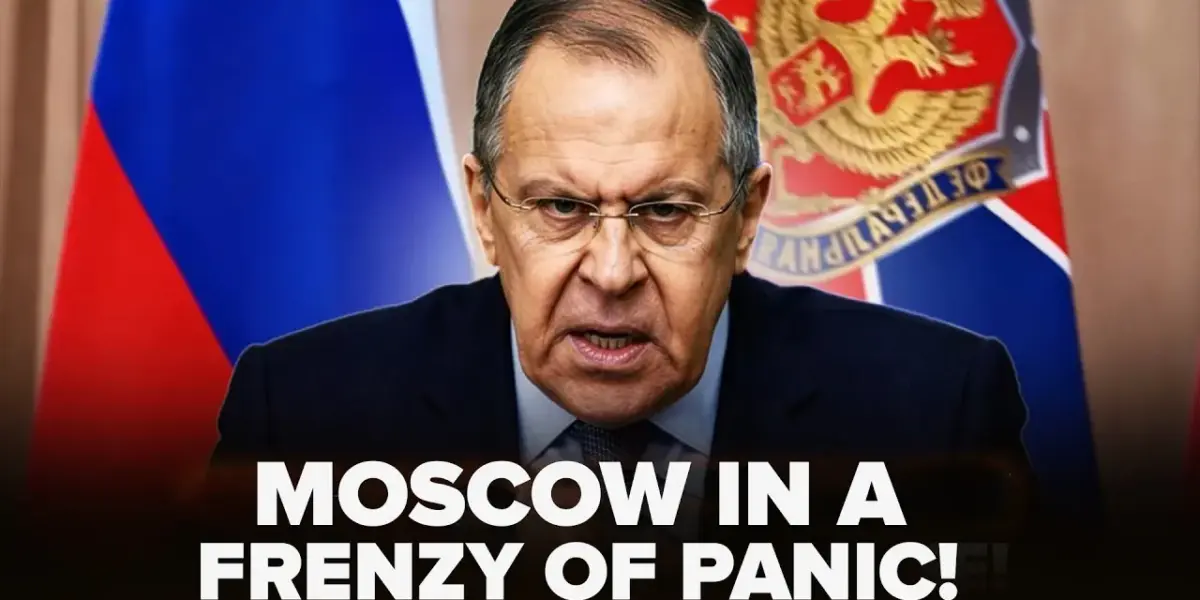
Russian Foreign Minister Sergey Lavrov has sharply criticized the United States, accusing Washington of attempting to push Moscow out of global energy markets and interfere in the affairs of resource-rich nations. These accusations come as Russia deepens its ties with Iran, raising concerns about a growing strategic partnership between the two nations.
Lavrov’s Accusations Against the US
Speaking in March 2026, Lavrov claimed that the U.S. is actively working to marginalize Russia in European energy markets. He suggested this strategy aims for global energy dominance and leaves Russia with limited access to its own energy resources. Lavrov also asserted that the United States prioritizes its own interests above international agreements. He went further, alleging that the U.S. is willing to use tactics like coups, kidnappings, and assassinations to secure resources from countries like Venezuela and Iran.
“The United States has officially declared that no one can dictate terms to them. They care only about their own prosperity and they are ready to defend that prosperity by any means through coups, kidnappings or even assassinations of leaders in countries that possess natural resources the American needs.”
— Sergey Lavrov
Lavrov pointed to the U.S. doctrine of dominance in global energy markets as evidence of this aggressive stance. Despite these strong accusations, Russia has not directly stated its dissatisfaction with U.S. actions. Instead, Moscow uses these public statements to frame its grievances.
US Attempts at Dialogue Amid Tensions
Meanwhile, the United States has continued efforts to maintain communication with Russia. In March 2026, a group of sanctioned Russian lawmakers visited the U.S. for informal meetings with members of Congress. This marked a rare instance of dialogue since the full-scale invasion of Ukraine. The visit, organized by Republican Congresswoman Anna Paulina Luna, aimed to discuss potential peace negotiations for Ukraine. However, the visit faced significant criticism from some U.S. lawmakers and Ukrainian activists. Congressman Andy Barr stated that Russia remains an adversary, and Joe Wilson compared the meeting to hosting representatives of the Third Reich. Despite these controversies, the U.S. continues to seek communication channels with Russia on various issues.
Deepening Russia-Iran Ties
The strategic partnership between Russia and Iran appears to be strengthening. In March 2026, Iran’s President Masoud Pezeshkian publicly thanked Vladimir Putin for his support, stating it inspired Iran’s confrontation with the United States. He noted that signals of support from Russia bolster Iran’s confidence. Earlier reports from The Washington Post suggested that Russia had been sharing intelligence with Iran regarding the locations of U.S. military assets in the Middle East. Politico also reported that Moscow had offered a deal to Washington: Russia would stop sharing intelligence with Iran if the U.S. halted its intelligence support to Ukraine concerning Russia. The U.S. reportedly rejected this offer.
Lavrov Denies Intelligence Sharing with Iran
Responding to these reports, Lavrov denied that Russia provides Iran with intelligence for strikes against U.S. military bases. He acknowledged close relations and a military-technical cooperation agreement between the two countries, stating Russia supplies Iran with certain military products. However, Iran has neither confirmed nor denied the intelligence-sharing reports. Washington had urged Moscow not to share such intelligence.
Contradictions and Double Standards
The article highlights a perceived contradiction in Lavrov’s position. While he publicly denounces the U.S., his daughter, Yekaterina Vinokurova, holds U.S. citizenship and received her education in the United States. Media reports suggest she owns property in both Moscow and New York. This creates a stark contrast between Lavrov’s hostile rhetoric towards the U.S. and his personal ties to the country.
NATO’s Stance and Global Security
The article also touches upon Russia’s long-standing ambition to see the North Atlantic Treaty Organization (NATO) weaken. In 2025, Lavrov suggested NATO should exercise common sense regarding defense spending, warning that excessive expenditures could lead to the alliance’s collapse. NATO Secretary General Jens Stoltenberg later commented on these remarks. In June 2025, NATO members agreed to allocate 5% of their GDP to defense, recognizing Russia as a long-term threat. The U.S. intelligence community’s 2026 annual threat assessment identified strategic competition with China, Russia, Iran, and North Korea as a primary challenge. The report also noted a fragmented international system and a high number of armed conflicts globally.
Strategic Implications
The current situation reveals a growing divide between Russia’s public statements and its actions on the global stage. Moscow’s accusations against the U.S. and its strengthening alliance with Iran suggest a strategic alignment against Western influence. The U.S. efforts to maintain dialogue, despite these tensions, indicate a desire to manage the complex geopolitical landscape. The discrepancy between Lavrov’s anti-U.S. rhetoric and his personal connections highlights the intricate nature of international relations and the potential for hypocrisy. As global security challenges mount, the actions of nations like Russia and their developing alliances will significantly shape future geopolitical dynamics.
Source: 😱Lavrov lashes out at US! Panic statements from Kremlin. Here’s what Putin is really hiding (YouTube)

Related Articles
Trump Faces Iran War Dilemma: Victory or Exit?
President Trump faces a complex challenge in Iran, with conflicting messages emerging on war aims and withdrawal timelines. Mounting domestic political pressure and growing economic concerns over oil prices are clashing with the President's personal imperative for a decisive victory, leaving analysts uncertain about the conflict's ultimate outcome.
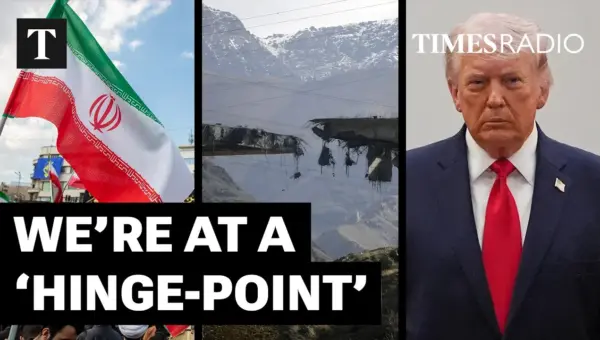
Trump Weighs Iran War Path Amid Pilot Capture Fears
Foreign affairs analyst Robin Niblett discusses the uncertain direction of President Trump's Iran strategy. The situation is at a critical hinge point, with fears growing over the capture of a missing U.S. pilot and its potential to escalate the conflict.
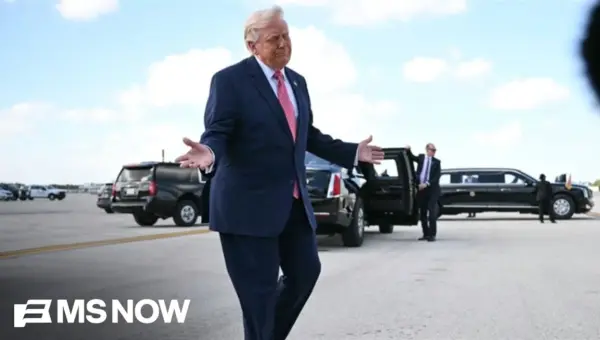
Trump’s Conflicting Iran War Messages Sow Confusion
President Trump's inconsistent messages on the Iran conflict are causing widespread confusion among the American public, allies, and global markets. A recent poll indicates that most Americans believe he lacks a clear strategy, a sentiment fueled by contradictory statements about the war's progress, goals, and the critical Strait of Hormuz.