Ruhle Questions White House Integrity After Crypto CEO Meeting
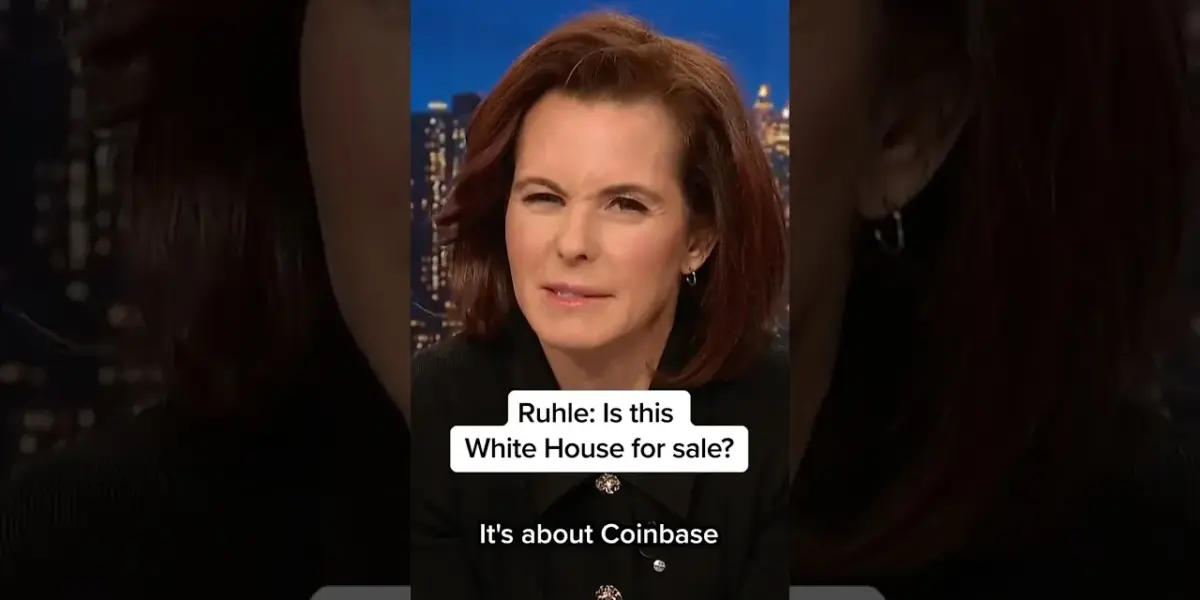
MSNBC host Stephanie Ruhle questions the integrity of the White House following President Trump's meeting with Coinbase CEO Brian Armstrong. The apparent shift in Trump's stance, including criticism of traditional banks, has led to concerns about undue industry influence on policy.

Ruhle Questions White House Integrity After Crypto CEO Meeting
In a pointed critique following a recent meeting between President Donald Trump and Coinbase CEO Brian Armstrong, MSNBC host Stephanie Ruhle has reignited questions about the integrity of the White House, asking whether it is effectively “for sale.” The apparent shift in Trump’s stance towards the banking and cryptocurrency sectors, following discussions with Armstrong, has drawn scrutiny, leading Ruhle to publicly question the motivations behind the White House’s evolving policies and pronouncements.
Shifting Stance on Banking and Crypto
The core of Ruhle’s concern lies in what appears to be a sudden and significant change in President Trump’s rhetoric and policy leanings regarding financial institutions, particularly those in the burgeoning cryptocurrency space. Historically, the Trump administration has been perceived as generally supportive of traditional banking interests, while often expressing skepticism or outright criticism towards newer financial technologies like cryptocurrencies.
However, the meeting with Brian Armstrong, the CEO of Coinbase – one of the largest cryptocurrency exchanges globally – seems to have coincided with a noticeable “bashing” of banks by Trump. This has led analysts and observers, including Ruhle, to infer a potential quid pro quo or at least an undue influence exerted by the crypto industry on White House policy. The implication is that policy decisions might be swayed by the interests of specific industries rather than by broader economic principles or public good.
“Is this White House for sale?” Stephanie Ruhle questioned, highlighting the perceived shift in the President’s stance after his engagement with the crypto industry.
Coinbase CEO’s Role and Industry Influence
Brian Armstrong’s meeting with President Trump brought the cryptocurrency industry into direct dialogue with the highest levels of the U.S. government. Coinbase, as a prominent player in the digital asset market, has a vested interest in shaping regulatory frameworks and public perception. Discussions at this level can have profound implications for the future of cryptocurrency regulation, adoption, and market stability.
The transcript implies that Trump’s subsequent criticisms of traditional banks, following his meeting with Armstrong, were not coincidental. This has fueled speculation that the meeting may have been instrumental in persuading the President to adopt a more critical stance towards established financial institutions, potentially in favor of the less regulated and rapidly evolving crypto sector. The question arises: what was discussed, and what promises, if any, were made?
Broader Implications for Financial Regulation
The potential for industries to influence White House policy raises significant concerns about the fairness and transparency of the regulatory process. If meetings with industry leaders can lead to shifts in presidential rhetoric and apparent policy direction, it could undermine public trust in government institutions. The cryptocurrency industry, in particular, is at a critical juncture, facing increasing calls for regulation to address issues such as consumer protection, market manipulation, and illicit finance.
A White House that appears susceptible to lobbying or influence from specific sectors, especially those as volatile and complex as cryptocurrency, could lead to regulatory environments that favor certain players over others, or that fail to adequately protect consumers and the broader financial system. Ruhle’s question serves as a stark reminder of the importance of maintaining an independent and uncompromised executive branch.
Public Scrutiny and Accountability
The “Trump bashing banks” narrative, juxtaposed with the meeting with the Coinbase CEO, places the White House under intense public scrutiny. It invites questions about the ethical considerations of presidential engagement with industry leaders and the potential for conflicts of interest. Transparency regarding the specifics of such meetings, including agendas and outcomes, is crucial for maintaining public confidence.
As the digital asset landscape continues to mature, robust and fair regulatory oversight is paramount. Any perception that policy is being shaped by private interests rather than public mandates erodes the foundations of democratic governance. Ruhle’s commentary highlights the ongoing need for vigilance and accountability in ensuring that the White House operates in the best interest of the nation, not for sale to the highest bidder or the most persuasive lobbyist.
What’s Next?
Moving forward, attention will likely remain fixed on the Trump administration’s actions and statements concerning both traditional banking and the cryptocurrency sector. Any further policy shifts, regulatory proposals, or public commentary that appear to align with the interests of the crypto industry following high-level meetings will undoubtedly be met with continued skepticism. The public and the media will be watching closely to see if transparency prevails and if the White House can demonstrate that its decisions are driven by sound policy, not by undue influence.
Source: Ruhle: Is this White House for sale? (YouTube)

Related Articles


Trump Ousts Noem: Border Crisis Fuels Homeland Security Shakeup
Donald Trump has replaced Kristi Noem as Homeland Security Secretary with Senator Markwayne Mullin, citing alleged deception over a $220 million ad campaign. Noem's tenure was marked by controversies surrounding ICE actions and alleged financial impropriety. This move signals a potential hardening of immigration policies under Trump's future leadership.

DHS Secretary Speaks Amidst Trump Firing News
Department of Homeland Security Secretary Kristi Noem addressed law enforcement leaders in Nashville, Tennessee, shortly after President Donald Trump announced her termination. Her remarks focused on interagency cooperation amidst the political turmoil.

Middle East Conflict Fuels Inflation, Handing Midterms to Democrats
A new Middle East conflict has sent oil prices soaring, exacerbating existing inflation and potentially handing a significant electoral advantage to Democrats in the upcoming midterm elections. The analysis suggests this economic fallout could be a direct consequence of recent foreign policy decisions.