Rubio: War’s End Lies in Talks, Not Military Might
U.S. Secretary of State Marco Rubio stated that the Ukraine war lacks a military solution and will ultimately be settled through negotiation, highlighting America's crucial role in facilitating talks. Meanwhile, Hungary's PM Viktor Orbán accused Kyiv of election interference and disrupting energy supplies, while China's Xi Jinping called for inclusive peace negotiations.

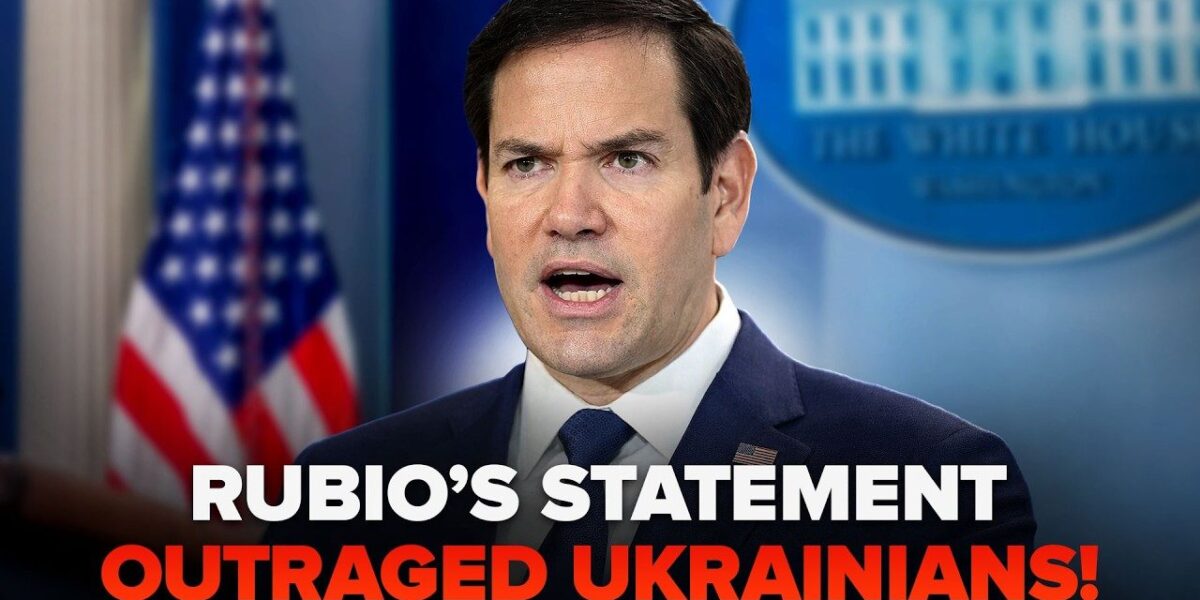
US Secretary of State Marco Rubio declared that the war in Ukraine cannot be resolved through military means, emphasizing that a negotiated settlement is the only viable path forward. Speaking on the fourth anniversary of Russia’s full-scale invasion, Rubio asserted that the United States is uniquely positioned to act as a catalyst for such negotiations, warning that if this role is relinquished, no other nation can effectively fulfill it.
In a significant statement that may signal a nuanced shift in U.S. policy or at least an acknowledgment of the protracted nature of the conflict, Rubio indicated that President Trump’s patience with the ongoing war is not limitless. While he refrained from forecasting when the White House might alter its approach, Rubio conveyed the President’s profound frustration with the war’s continuation, characterizing it as “completely stupid and senseless.” He highlighted the immense weekly casualties and escalating destruction in Ukraine, which he stated will have repercussions for generations.
China’s Stance on Peace Talks
The international diplomatic landscape surrounding the Ukraine conflict has seen various players asserting their positions. Chinese President Xi Jinping, during a meeting with German Chancellor Olaf Scholz in Beijing, called for the “equal participation of all parties” in negotiations concerning peace in Ukraine. This statement, according to a Chinese Ministry of Foreign Affairs release, suggests Beijing’s desire for European involvement, contrasting with Russia’s perceived preference for direct agreements with the United States, potentially sidelining European and Ukrainian perspectives.
China’s position implies a broader approach to security architecture, advocating for dialogue, negotiation, and consideration of all legitimate concerns. This stance has been met with varied reactions. Earlier, U.S. Ambassador to NATO, Matthew Tucker, suggested that China holds a pivotal role and could influence the war’s end with a simple phone call to Moscow. However, Ukrainian President Volodymyr Zelenskyy has expressed that China has not yet demonstrated a clear interest in ending the war. Beijing, meanwhile, has reiterated its support for all efforts aimed at a peaceful settlement and continuous dialogue.
Hungary’s Accusations and Energy Disputes
Adding another layer of complexity, Hungarian Prime Minister Viktor Orbán sent an open letter to President Zelenskyy, accusing Kyiv of actively working to involve Hungary in the Russia-Ukraine war. Orbán alleged that Ukraine, in coordination with Brussels and the Hungarian opposition, has sought to install a pro-Ukrainian government in Hungary. He specifically criticized Ukraine’s recent actions, including blocking the vital Druzhba oil pipeline, which he deemed detrimental to Hungary’s energy security and against Hungarian interests.
Orbán urged Ukraine to change its anti-Hungarian policies and called for the reopening of the pipeline, asserting Hungary’s desire to remain neutral and avoid financing the war effort or facing higher energy costs. The dispute over the Druzhba pipeline, damaged by Russian shelling, has escalated tensions, with Hungary accusing Ukraine of politically motivated delays in repairs. President Zelenskyy, in response, suggested Orbán negotiate an energy truce directly with Moscow, citing the danger to repair crews from Russian fire as the reason Ukraine could not guarantee repairs. Despite these disputes, Ukraine has reportedly offered a compromise to Hungary regarding the pipeline issue.
EU’s Financial Support and Sanctions Stalemate
In parallel, Germany’s Foreign Minister Annalena Baerbock stated that the European Union will not revisit the issue of transferring frozen Russian assets to Ukraine, even in the face of Hungarian objections. She noted that the EU has secured a substantial 90 billion Euro loan package for Ukraine as an alternative. Baerbock also criticized Hungary’s opposition to this loan initiative.
This development follows a failed attempt by EU foreign ministers to agree on the 20th sanctions package against Russia. Hungary, Slovakia, and Italy have been identified as key opponents of further restrictions. Hungary and Slovakia have linked their opposition to Ukraine’s alleged failure to repair the Druzhba oil pipeline. President Zelenskyy has previously advised the governments of Hungary and Slovakia to negotiate directly with Moscow regarding energy supplies if they are dissatisfied, emphasizing that Ukraine cannot risk lives by attempting repairs under ongoing Russian attacks.
Zelenskyy’s Definition of Victory
Amidst these diplomatic maneuvers and disputes, President Zelenskyy has shared his perspective on Ukraine’s progress and the definition of victory. In an interview with Fox News, he stated that Ukraine has already won the war initiated by Russia because Moscow failed to achieve its primary objectives of capturing Kyiv, changing its government, or occupying the country. “Russia could not and can’t occupy us. They didn’t win. And for us, it’s a victory. We defended our independence and freedom,” Zelenskyy remarked.
He expressed confidence that Moscow now recognizes the war as a significant mistake. Zelenskyy also voiced concerns that Russian President Vladimir Putin might exploit negotiation processes to advance his offensive goals, suggesting Putin is playing a game with President Trump to delay meaningful talks. In a separate interview with the BBC, Zelenskyy elaborated on his definition of victory, stating it encompasses not only the return of all territories but also the preservation of human lives and independence. He posited that stopping Putin’s aggression in Ukraine is a victory for the world, as Putin would not stop at Ukraine’s borders. While acknowledging that reclaiming all territories is a future goal and a matter of justice, he cautioned that immediate attempts to do so could result in immense loss of life, rendering land without people meaningless.
Looking Ahead
As the conflict grinds on, the focus remains on the potential for diplomatic breakthroughs. The upcoming peace talks between representatives of Ukraine and the United States in Geneva, scheduled for February 26, will be closely watched. President Zelenskyy has expressed hope that these discussions will pave the way for a future meeting of leaders, potentially including President Trump and Russian President Putin. The international community will be observing whether the U.S. can indeed leverage its unique position to catalyze negotiations, and how the complex web of geopolitical interests involving China, Hungary, and the broader European Union will shape the path toward a lasting peace.
Source: Here’s what Rubio DECLARED! He stirred up with WILD statement on WAR. Zelenskyy did not expect this (YouTube)

Related Articles
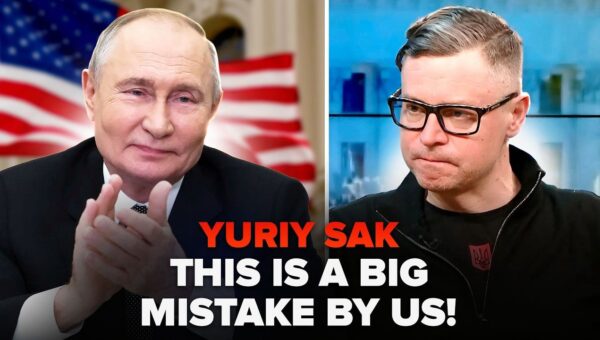
Trump’s Putin Stance: US Strategy and Global Implications
Analysis suggests Donald Trump's approach to the Ukraine war involves pressuring Kyiv, but US involvement is crucial for resolution. China's influence and the 'MAGA' agenda's geopolitical implications are key factors.

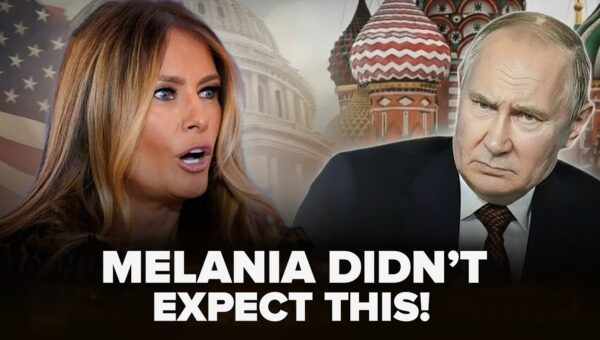
Melania Trump’s Quiet Diplomacy on Ukraine War
Former First Lady Melania Trump has emerged as an influential, though unofficial, voice on the Ukraine war, reportedly shaping her husband's perceptions and engaging directly on humanitarian issues like the deportation of Ukrainian children. Her advocacy, possibly influenced by her European background, has drawn international attention and sparked unique reactions, including widespread social media support from Ukrainians.
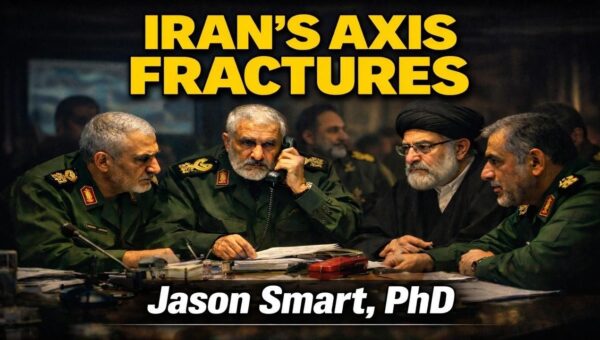
Iran’s Regime Under Siege: Attacks Cripple Leadership, Impact Russia
Iran's regime is reportedly facing critical blows from targeted attacks, crippling its leadership and severing a vital military supply line to Russia. This dual pressure is significantly impacting Russia's war efforts in Ukraine, while internal dissent grows within Iran.