Royal Family Faces Crisis Amid New Allegations and Scandals
Prince Andrew has been arrested on suspicion of misconduct in public office related to confidential information shared with Jeffrey Epstein. This latest scandal adds to a series of controversies, including Prince Harry and Meghan Markle's departure and allegations of racism, testing the monarchy's resilience despite continued public support.

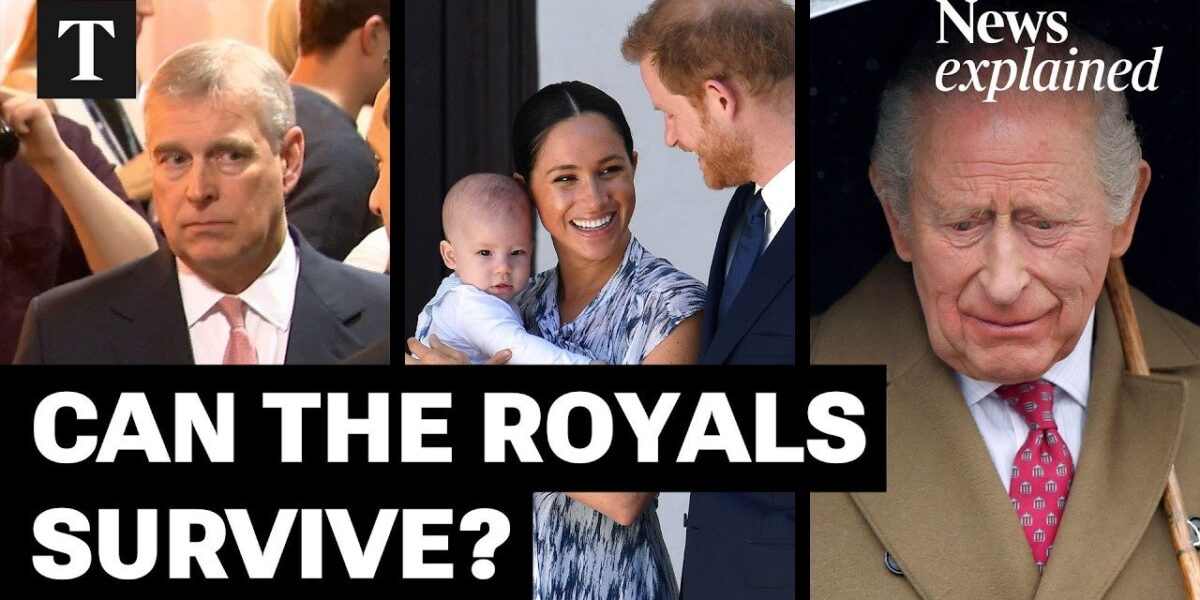
Prince Andrew Arrested in Sandringham Estate Probe
Early Thursday morning, a significant police presence descended upon Whoop Farm on the Sandringham Estate, leading to the arrest of Prince Andrew, Duke of York. The apprehension, occurring just after 8:00 a.m., was reportedly made on suspicion of misconduct in public office. Sources indicate that law enforcement is investigating whether Prince Andrew may have disseminated confidential information during his tenure as the UK’s trade envoy to his associate, the convicted financier Jeffrey Epstein. These inquiries stem from emails released by the U.S. Department of Justice as part of the broader Epstein files. While the specific contents of these emails and their attachments remain undisclosed, authorities are assessing if their transmission constitutes a breach of confidentiality.
Decade-Long Scrutiny of Epstein Friendship
Prince Andrew’s long-standing association with Jeffrey Epstein has been a subject of intense public and media scrutiny for over a decade. The two men reportedly met in 1999, introduced by Ghislaine Maxwell, who was then Epstein’s girlfriend. Over the subsequent years, their relationship developed into a close friendship, with Epstein frequently attending events at royal residences such as Sandringham and Buckingham Palace. The recently released U.S. Department of Justice emails suggest a sustained and close level of communication between Prince Andrew and Epstein across several years.
Civil Lawsuit and Loss of Royal Titles
The scrutiny intensified significantly in August 2021 when Virginia Giuffre filed a civil lawsuit in New York. Giuffre alleged that Prince Andrew had sexually assaulted her on three separate occasions. The lawsuit was eventually settled out of court for an undisclosed sum, with Prince Andrew at no point admitting liability. The prolonged media attention and the gravity of the allegations placed considerable strain on the monarchy. The situation culminated in Prince Andrew being stripped of his honorary military affiliations and royal patronages earlier this year. He was also compelled to vacate his long-term residence, Royal Lodge.
“It’s a bit of an embarrassment to be honest on the nation, on the country, everyone in general. This is a member of our royal family. These are our leaders.”
Broader Royal Family Challenges: The Sussexes’ Rift
Prince Andrew’s legal troubles and the resulting fallout are not the only recent controversies to have impacted the British monarchy. In 2020, Prince Harry and his wife, Meghan Markle, announced their decision to step back from their roles as senior working royals, subsequently relocating to California. This move signaled a significant rift within the family. A year later, during a widely publicized interview with Oprah Winfrey, Meghan alleged that a senior royal had expressed concerns about the skin color of their son, Archie, prior to his birth – a claim that Buckingham Palace stated it took very seriously but denied.
Strained Relations and Signs of Reconciliation
The relationship between Prince Harry and his family has remained strained in recent years. This tension has been further exacerbated by the publication of Prince Harry’s memoir, “Spare,” which offered candid, and at times critical, insights into royal life and family dynamics. However, there have been indications of potential reconciliation. Last year, Prince Harry met with his father, King Charles III, for afternoon tea, marking their first such meeting in several years. Furthermore, reports suggest that Prince Harry and Meghan Markle may return to the UK for the opening ceremony of the Commonwealth Games this summer, potentially signaling a thaw in familial relations.
Public Support for the Monarchy Remains Strong
Despite the series of high-profile controversies, public support for the continuation of the British monarchy remains robust. A YouGov poll conducted in January revealed that 64% of respondents in the UK believe the country should continue to have a monarchy, with 58% expressing the view that it is beneficial for Britain. This enduring public approval suggests a deep-seated connection between the institution and the national identity.
“You look here and you look around where we’re standing. This there’s a sort of legacy that the royal family is part of this country. It’s part of the fabric.”
The Future of the Royal Family: Navigating Challenges
The recent arrest of Prince Andrew and the ongoing repercussions of the Duke and Duchess of Sussex’s departure present significant challenges to the royal family’s image and future. While public opinion polls indicate a continued desire for the monarchy, the repeated scandals test the institution’s resilience. The ability of King Charles III and other senior royals, such as Prince William and his wife Catherine, to navigate these complex issues while maintaining public trust will be crucial. The family’s capacity to adapt, address controversies transparently, and demonstrate continued relevance in the 21st century will ultimately determine its long-term survival.
The coming months will be critical in observing how the royal family responds to the latest allegations surrounding Prince Andrew and whether the tentative steps towards reconciliation with the Sussexes gain momentum. The public’s enduring, yet perhaps increasingly tested, support will be a key indicator of the monarchy’s future trajectory.
Source: Does the Royal Family Have a Future? (YouTube)

Related Articles

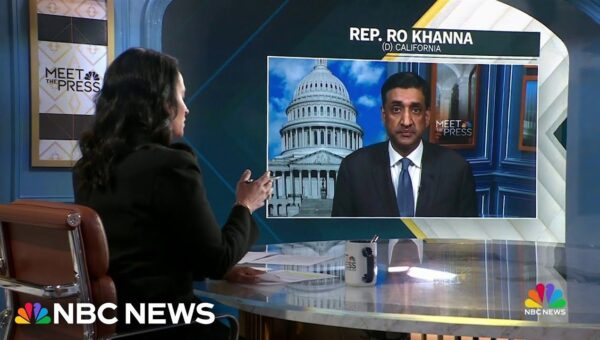
Khanna Urges Trump to Testify Voluntarily in Epstein Probe
U.S. Representative Ro Khanna is calling on former President Donald Trump to voluntarily testify in the Jeffrey Epstein probe, citing Bill Clinton's recent deposition as a new precedent. Khanna believes Trump should follow Clinton's lead in answering all questions from investigators.

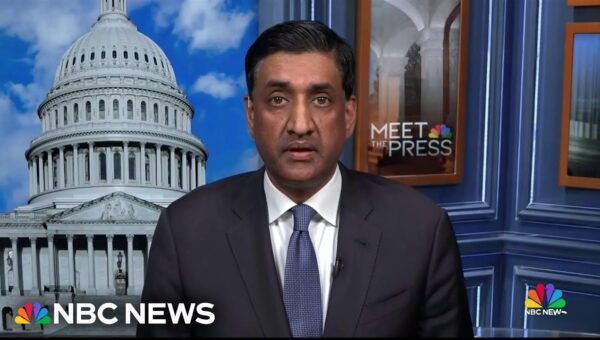
Ro Khanna: Americans Not Safer After Iran Leader’s Death
Congressman Ro Khanna argues that Americans are not safer following the death of Iran's Supreme Leader, Ayatollah Khamenei. He criticizes Republican foreign policy and pushes for a War Powers Resolution to limit presidential war-making authority. Khanna also calls for transparency in the Jeffrey Epstein case, advocating for testimony from prominent figures.

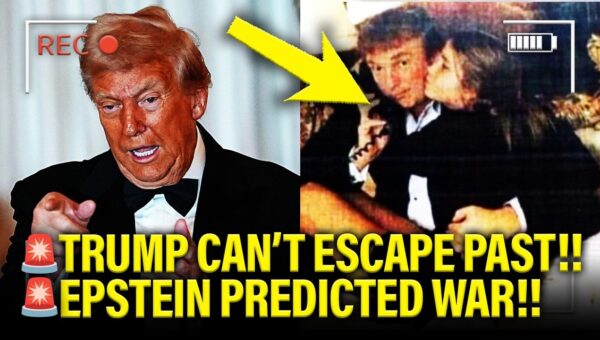
Epstein Files Hint at Trump’s Iran War Motivation
Leaked communications allegedly from Jeffrey Epstein's files suggest he predicted Donald Trump might initiate a conflict, potentially involving Iran, to distract from mounting pressure. These messages, purportedly exchanged with Steve Bannon and Ehud Barak, are drawing parallels to recent geopolitical events and raising questions about a potential cover-up.