Royal Expert Warns King Charles Cannot Separate ‘The Man From The Monarchy’ Amid Crisis
Former Times royal correspondent Valentine Low warns that King Charles III cannot separate individual family members from the monarchy itself, as public perception views them as inherently "entangled." The expert suggests current crises may be seen as individual problems rather than institutional ones in the long term, but expresses uncertainty about the monarchy's future.

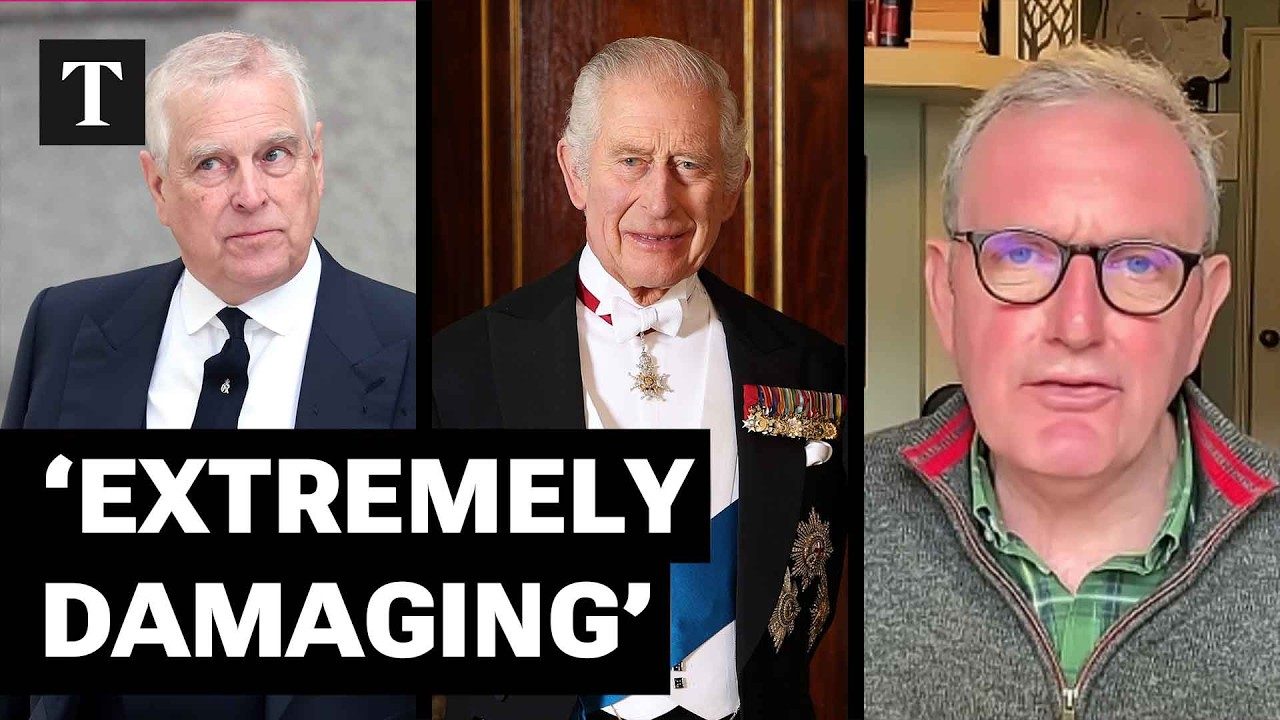
The British monarchy faces one of its most challenging periods in decades as King Charles III grapples with ongoing crises that threaten to undermine the institution’s carefully maintained reputation, according to former Times royal correspondent Valentine Low.
The Challenge of Public Perception
In a revealing interview, Low highlighted the fundamental challenge facing the modern monarchy: the impossibility of separating individual royal family members from the institution itself. “People don’t separate the man from the monarchy,” Low explained. “They see the two as very much entangled, entwined.”
This interconnection becomes particularly problematic when controversies arise within the royal family. Low pointed to recent events where King Charles attempted to distance the monarchy from individual family members through carefully worded statements, describing how the King referred to certain individuals “almost as if it wasn’t related to him.”
The Queen Elizabeth II Standard
The discussion inevitably turned to the legacy of Queen Elizabeth II, whose 70-year reign set an extraordinarily high bar for royal conduct. Low praised the late Queen as “a woman who just spent her whole life devoted to service and to duty,” noting that the monarchy “works well when you have someone like” her on the throne.
However, Low posed a thought-provoking hypothetical scenario to illustrate the monarchy’s vulnerability to individual character: “You can play a mind experiment, can’t you? Thinking what if Andrew had been born first, you know, how much of a disaster would that have been for the monarchy?”
The People-Centered Nature of Monarchy
The royal expert emphasized that “the monarchy is all about the people,” highlighting how the institution’s success or failure depends heavily on the personal qualities and conduct of its members. This people-centric nature of the monarchy means that individual scandals inevitably reflect on the entire institution, regardless of official attempts to create separation.
Media Relations and Royal Scrutiny
Low also addressed criticism of royal correspondents being “too deferential and too timid” with the royal family. He acknowledged there was “an element of truth” to such criticisms, sharing personal experiences of restricted interview conditions that prevented journalists from asking about controversial topics.
“Perhaps I should have made clear in the article that I wrote that that was the condition of the interview,” Low reflected, suggesting that royal correspondents could be more transparent about the limitations placed on their reporting.
Changing Media Landscape
The conversation touched on broader changes in how the monarchy is covered and perceived. Low noted discussions about whether “the age of deference” is over and whether the media has been guilty of a “somewhat fawning attitude” towards the monarchy. He observed that politicians now discuss the monarchy “in a way they don’t normally do,” suggesting a shift in the traditional reluctance to criticize the institution.
Future Challenges and Long-term Outlook
Despite current difficulties, Low expressed cautious optimism about the monarchy’s long-term survival. He suggested that “10 years down the line” current problems might “probably be seen as an Andrew problem rather than a monarchy problem,” provided that King Charles and future monarch Prince William demonstrate themselves to be “in the mold of the late Queen, devoted to duty and service.”
However, Low was careful to temper his optimism, adding: “I don’t say that with huge confidence.”
The Post-Elizabeth Era Reality
The interview highlighted how the passing of Queen Elizabeth II has left the monarchy looking “more ordinary and more susceptible to scandals.” Low noted that the late Queen was “such a special individual” whose “span of her sweep of history” made her “a golden thread through so many decades of history” and “a kind of quite unique figure.”
Practical Implications
Looking ahead, Low acknowledged the practical challenges facing the royal family in their public duties. “Everywhere they go for the foreseeable future, these questions are going to be shouted out at them. They are going to potentially get heckled,” he observed, noting how difficult it becomes to “send the message out that we’re special and different” during times of controversy.
The expert’s analysis underscores a fundamental tension at the heart of modern monarchy: the institution’s need to maintain its elevated status while being composed of fallible human beings whose personal conduct can significantly impact its reputation and future viability.
As the monarchy navigates these turbulent waters, Low’s insights suggest that King Charles faces the complex task of protecting an institution that, by its very nature, cannot be separated from the individuals who comprise it. The success or failure of this endeavor may well determine the monarchy’s relevance and survival in the 21st century.
Source: King Charles Won’t Be Able To Separate The Man From The Monarchy | Valentine Low (YouTube)

Related Articles

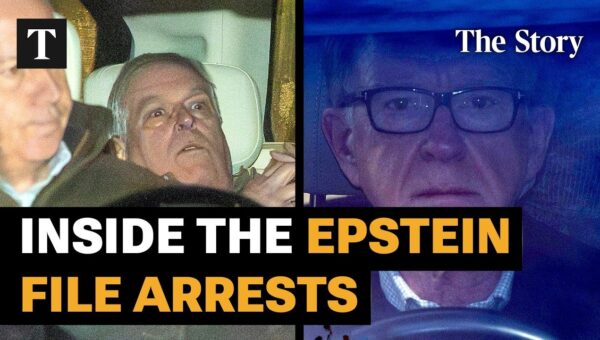
Royal Arrests Spark Debate: Andrew & Mandelson Investigations
Prince Andrew and Peter Mandelson face ongoing investigations for alleged misconduct. The Times journalists Luke Jones and Man Vin Rana discuss the legal proceedings, Prince Andrew's controversial past as a trade envoy, and the broader implications for the monarchy amidst a period of intense scrutiny.
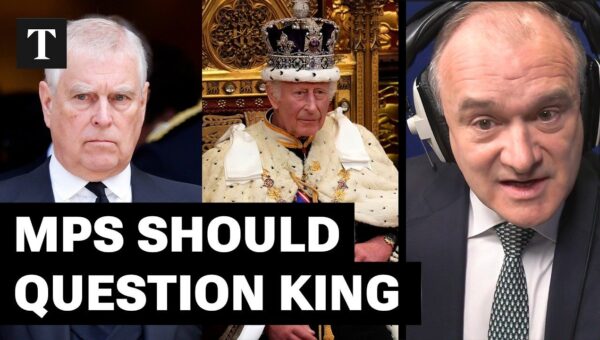
Ed Davey Calls for Parliament to Debate Royal Family
Liberal Democrat leader Ed Davey has called for an end to the historical ban on MPs openly discussing and criticizing the Royal Family in Parliament. Speaking on Times Radio, Davey argued that allowing such debates is a necessary first step in modernizing the monarchy's relationship with the legislature.
Royal Family Faces Crisis Amid New Allegations and Scandals
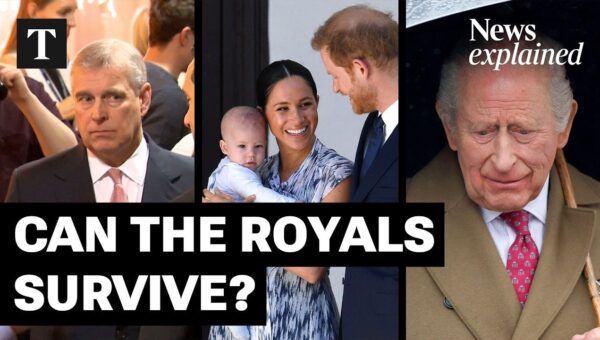
Prince Andrew has been arrested on suspicion of misconduct in public office related to confidential information shared with Jeffrey Epstein. This latest scandal adds to a series of controversies, including Prince Harry and Meghan Markle's departure and allegations of racism, testing the monarchy's resilience despite continued public support.