Romance Scammer Exposed in Bitcoin Fraud Case
A chilling romance scam involving over $15,000 in Bitcoin has been exposed after preying on a quadriplegic woman. Investigators utilized AI exploitation and a catfishing operation to unmask the perpetrator, who posed as a Hallmark actor.


Romance Scammer Exposed in Bitcoin Fraud Case
A sophisticated romance scam, preying on a vulnerable quadriplegic woman, has been brought to light following her death. The victim, identified as Dedra, was defrauded of over $15,000 in Bitcoin cryptocurrency over nearly two years by an individual posing as Hallmark actor Tyler Hines. The scam came to light when Dedra’s daughter, Aaron, and her brother began organizing her affairs after her passing.
A Deceptive Deception Unraveled
The scam began around December 2023, when Dedra, who was quadriplegic and bedridden, fell victim to a romance scammer. The perpetrator, who used the alias “Tyler Hines,” cultivated a relationship with Dedra, leveraging AI-generated photos and audio to create a convincing persona. The scammer was aware of Dedra’s condition, her reliance on disability income (SSI), and her frequent hospitalizations, using this information to exploit her vulnerability.
“My challenge is that I’m a quadriplegic. I cannot use my hands,” Dedra wrote in communications, detailing her limitations. The scammer acknowledged her situation, stating, “We understand you’re on SSI and disabled.” This intimate knowledge allowed the scammer to exert pressure, with Dedra’s children discovering emails where the scammer “hammered her over email to make these payments or else she’ll lose access to this like Tyler Hines guy.”
The “Hallmark Actor” Persona and AI Exploitation
The scammer impersonated Tyler Hines, a recognizable Hallmark actor known for romantic roles. This choice of persona is common in romance scams, as scammers often adopt the identities of celebrities to gain trust. Tyler Hines himself has publicly warned about scammers using his likeness, even employing AI-generated photos and audio. Unfortunately, this warning came too late for Dedra.
The scammer utilized AI-generated content, including images of Tyler Hines in hospital settings, to mirror Dedra’s own experiences and foster a sense of shared understanding. Audio messages, purportedly from “Hines,” offered comfort: “I know things feel heavy right now, but I’m here. We’ll get through this together, step by step. You’re not alone, and I love you more than words can say. Everything will be okay. I promise.” These tactics were designed to deepen the emotional connection and dependency.
Exploiting Trust Through Deceptive Practices
The scam’s initiation involved Dedra joining a “Tyler Hines fan club” on Facebook, where numerous scam accounts were active. From there, a fake “Hallmark management account” contacted Dedra, offering “backstage access” to actors for a fee. To further isolate Dedra and prevent disclosure, the scammer required her to sign a Non-Disclosure Agreement (NDA).
“Believe me, I have no interest in anyone becoming aware of this agreement,” Dedra stated, adhering to the scammer’s demand for secrecy. Due to her fixed income, Dedra was placed on a $500 monthly payment plan for the “license fee.” She expressed financial strain, noting, “It’s very expensive. I budgeted down to the penny for $500 a month. That doesn’t leave me much for huge extras.” Towards the end of her life, she even requested a discount, which was denied by the scammer.
Tracing the Funds and the Catfishing Operation
The investigation into the scam was spearheaded by a content creator specializing in exposing scams, with the assistance of Aaron and her brother. Dedra had meticulously archived her emails, including transaction hashes for the Bitcoin payments. These hashes initially led to an offshore cryptocurrency exchange, posing a significant challenge for investigators without governmental authority.
To circumvent these limitations, a “catfishing” operation was initiated. The scammer was sent a fake Bitcoin receipt with a unique code. When the scammer attempted to use this code on a specially designed website, their IP address was logged. This revealed initial IP addresses from the United States and Nigeria, a known hub for romance scams.
Phase two involved a human verification system created by YouTuber Kit Boga. Scammers attempting to claim the “reward” had to complete increasingly complex tasks, including hand-drawing objects and solving visual puzzles. The ultimate challenge was to voluntarily activate their webcam for verification.
The Unmasking and Confrontation
Against expectations, the scammer complied, providing photos and videos of himself. This crucial evidence allowed the investigators to identify the individual, whom they later confronted. The scammer, identified as “David,” was initially engaged under the pretense of a withdrawal issue on a cryptocurrency platform. During the conversation, investigators posed as platform employees, escalating the situation to a “manager” and then a “vice president of anti-scam prevention.”
During the confrontation, David was directly accused of defrauding a quadriplegic woman out of over $15,000. He initially denied involvement, claiming to be an “agent” sent to receive a payment, but refused to disclose who he was working for. The conversation culminated with a moral appeal regarding his actions, after which David abruptly ended the call.
Following the call, David deleted his Telegram messages, a move interpreted as an attempt to cover his tracks. However, the investigators had already secured the necessary information, including his government ID, which was handed over to the relevant authorities. Aaron and her brother expressed profound gratitude for the effort to uncover the truth about their mother’s exploitation.
Market Impact and Investor Takeaways
This case highlights the persistent threat of romance scams, which operate in a multi-billion dollar industry. The use of sophisticated tactics, including AI-generated content and cryptocurrency for untraceable transactions, underscores the evolving nature of financial fraud.
What Investors Should Know:
- Vigilance Against Impersonation: Scammers frequently impersonate public figures, celebrities, or trusted entities. Always verify identities through official channels.
- Cryptocurrency Risks: While offering innovation, cryptocurrencies can be exploited for illicit activities due to their pseudonymous nature. Be cautious of unsolicited cryptocurrency transactions or requests.
- AI in Fraud: The increasing sophistication of AI tools, such as deepfakes and voice cloning, presents new challenges in identifying fraudulent activities.
- Exploitation of Vulnerability: Scammers often target individuals based on their emotional state, physical condition, or financial circumstances. Awareness and education are crucial protective measures.
- Due Diligence in Online Interactions: Never share personal or financial information with unknown individuals online, especially when prompted for fees or sensitive data under pressure.
While this incident does not directly impact major market indices or sectors, it serves as a stark reminder of the pervasive risks associated with online financial interactions. The success of the investigation, albeit challenging, offers a blueprint for others seeking to combat such sophisticated fraud operations. The authorities are now tasked with pursuing legal action against the identified perpetrator.
Source: Exposing a Romance Scammer (YouTube)

Related Articles

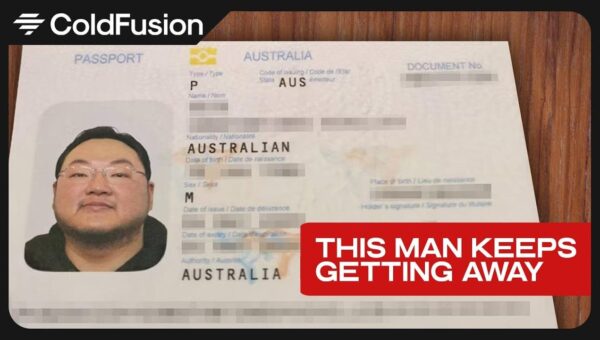
The Billion-Dollar Deception: How a Scammer Vanished
An in-depth look at the alleged $4.5 billion heist orchestrated by Malaysian businessman Jolo from the 1MDB sovereign wealth fund. The story details his lavish lifestyle, Hollywood connections, and the international investigation that exposed one of history's largest financial frauds.


Celebrity Crypto Scams: The Villain’s Confession
A self-proclaimed architect of celebrity crypto scams, Sahil Aurora, has confessed to orchestrating fraudulent token launches involving high-profile figures like Caitlyn Jenner and Jason Derulo. The interview reveals intricate schemes of deception, celebrity manipulation, and investor exploitation, raising serious questions about due diligence and regulatory oversight in the crypto space.


Geopolitical Chessboard: China’s Global Maneuvers and Mounting International Tensions
China's global influence is under intense scrutiny following a series of significant events, from mass executions of Myanmar scam kingpins and a furious reaction to the Dalai Lama's Grammy award, to alleged illegal biolabs in the US and a contentious defense budget debate in Taiwan. These developments, alongside strategic trade deals with India and high-stakes diplomatic calls with Russia and the US, highlight Beijing's assertive posture and the mounting geopolitical tensions it generates worldwide.