Rohde: Trump’s Iran Threat Will Backfire, Empower Radicals
Senior reporter David Rohde warns that Donald Trump's threats to strike Iranian civilian infrastructure will backfire. Rohde believes such aggressive language will empower hardline radicals in Iran, not moderates seeking change. His comments follow Trump's vow to attack power plants and bridges if Iran obstructs the Strait of Hormuz.

Rohde: Trump’s Iran Threat Will Backfire, Empower Radicals
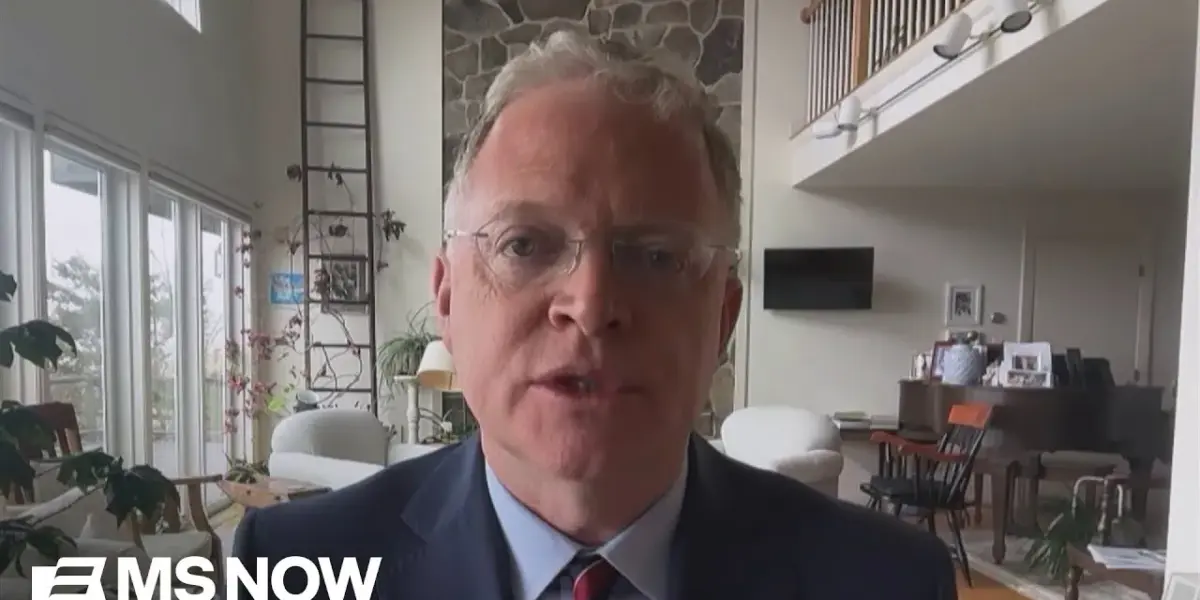
David Rohde, a senior national security reporter for MS NOW, has strongly criticized former President Donald Trump’s threat to strike civilian infrastructure in Iran. Rohde, who was himself held captive by the Taliban for seven months, argued that such aggressive language will not achieve its intended goals. Instead, he warned, it is likely to strengthen hardline radicals within Iran and hinder efforts by moderates to gain influence.
Context of the Threat
The controversy stems from Trump’s statement regarding Iran’s actions in the Strait of Hormuz, a vital waterway for global oil transport. Trump threatened to target Iranian power plants and bridges if the country did not allow free passage through the strait. This statement came amid heightened tensions between the United States and Iran, following various geopolitical developments.
Rohde’s Analysis: Why Threats Won’t Work
Rohde, drawing on his extensive experience covering national security and his personal ordeal, believes that Trump’s approach is fundamentally flawed. He explained that using threats of violence against civilian targets is counterproductive. Such tactics, Rohde stated, tend to rally the population around existing leadership, even if that leadership is unpopular.
He elaborated that this kind of rhetoric plays directly into the hands of those who favor confrontation. “You’re not going to get moderates to take over the country by threatening to bomb their power plants,” Rohde said, emphasizing the potential for unintended consequences. He suggested that such threats could be used by Iranian hardliners to justify crackdowns on dissent and to further consolidate their power.
The Impact on Iranian Politics
Rohde’s analysis suggests that Trump’s threats could inadvertently bolster the very elements in Iran that the U.S. seeks to counter. When a foreign power issues threats, it can create a sense of national unity against an external enemy. This often benefits the most nationalistic and hardline factions within a country’s political system.
Moderates, who might otherwise advocate for de-escalation or internal reform, often find their positions weakened. They may be perceived as less patriotic or too accommodating to foreign pressure. Rohde’s perspective highlights a common challenge in international relations: how to exert pressure without provoking a backlash that strengthens adversaries.
Lessons from Past Conflicts
Rohde’s warning is informed by historical patterns observed in international conflicts. In many cases, aggressive rhetoric or actions by powerful nations have led to the entrenchment of authoritarian regimes or extremist groups. The goal of diplomacy is often to create space for internal change, but threats can close that space.
His own experience being detained by the Taliban provides a unique and personal perspective on the dynamics of conflict and captivity. While the specifics of his detention are not detailed in the provided text, his mention of it underscores a deep understanding of the complexities involved when dealing with adversarial groups and states.
Broader Implications for Foreign Policy
The exchange raises important questions about the effectiveness of different foreign policy tools. While military threats can sometimes be a component of deterrence, Rohde’s comments suggest that threatening civilian infrastructure is a particularly risky strategy. It risks alienating potential allies within the targeted country and violating international norms.
The Strait of Hormuz is a critical chokepoint for global energy supplies. Any disruption there could have significant economic consequences worldwide. Therefore, the rhetoric used by leaders regarding this area carries immense weight and potential for global impact. Rohde’s critique suggests that a more nuanced approach might be necessary to achieve U.S. foreign policy objectives without exacerbating regional instability.
What to Watch Next
Moving forward, it will be crucial to observe how both the U.S. and Iran respond to these escalating tensions. The effectiveness of Trump’s threats, and Rohde’s predictions about their impact on Iranian politics, will become clearer in the coming weeks and months. Attention will also be on whether diplomatic channels can be utilized to de-escalate the situation and ensure the free flow of commerce through the Strait of Hormuz.
Source: ‘Threatening’ will not work on Iran: Rohde slams Trump threat to strike civilian infrastructure (YouTube)

Related Articles


Trump Threatens Iran, Shaking Global Stability
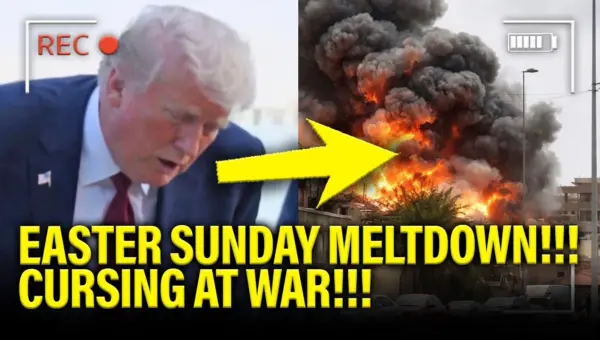
Former President Trump's aggressive Easter Sunday warning to Iran has ignited global concerns, highlighting a volatile intersection of politics, religion, and foreign policy. The analysis explores the motivations behind such rhetoric, the deep divisions within American society, and the potential for severe economic and geopolitical repercussions worldwide.
Trump’s Rhetoric Fuels Iran Tensions, Raises War Crime Alarms
Former President Donald Trump's aggressive Easter weekend social media posts directed at Iran have sparked international concern. His threats of military action and ultimatums, coupled with conflicting narratives about military engagements, have raised alarms about potential war crimes and a dangerous escalation of conflict. Critics accuse both Trump and segments of the media of downplaying the severity of his rhetoric.


Trump Threatens Iran: “Open Strait or Live in Hell”
President Trump issued a severe warning to Iran, threatening "hell" if the Strait of Hormuz is not reopened, while U.S. forces successfully rescued a downed airman. Experts suggest potential escalation and regional realignments are unfolding.