Rocket Lab Launches 19th Mission, Boosting Satellite Constellation
Rocket Lab successfully launched its 19th mission of the year, deploying the Neonat 1A satellite for KAIST. This mission marks a record pace for the company and advances a constellation for advanced Earth observation.

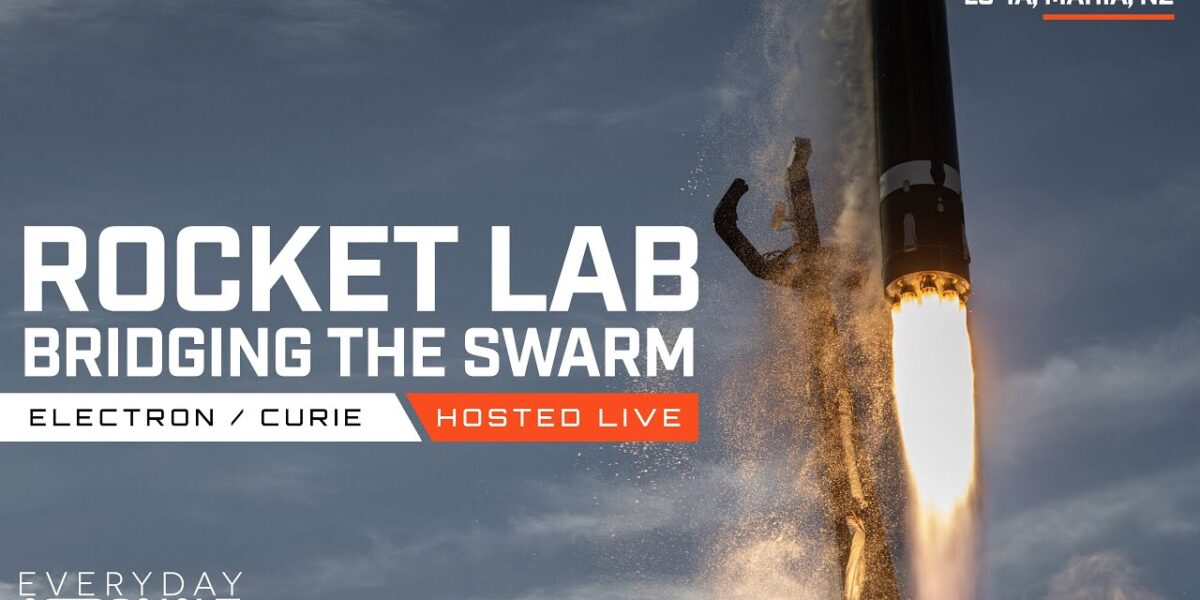
Rocket Lab Achieves Record Launch Pace with “Bridging The Swarm” Mission
Rocket Lab has once again demonstrated its impressive operational tempo with the successful launch of its 19th mission of the year, lifting off from Launch Complex 1 on the Mahia Peninsula in New Zealand. This milestone launch, designated “Bridging The Swarm,” deploys the Neonat 1A satellite for the Korea Advanced Institute of Science and Technology (KAIST), marking a significant step in establishing a constellation for near-real-time Earth observation.
A Record-Breaking Year for Electron
The launch represents Rocket Lab’s 77th overall mission utilizing its Electron rocket, a testament to the vehicle’s reliability and the company’s growing launch cadence. This year alone, Rocket Lab has surpassed its previous annual launch records, highlighting a steady growth in its capabilities. The Electron rocket, standing 18 meters (59 ft) tall with a 1.2-meter diameter, is primarily constructed from carbon composite materials, offering a lightweight yet robust structure. Its power comes from nine Rutherford engines on the first stage and one on the second stage, all utilizing a unique electric pump-fed system powered by high-voltage lithium-ion batteries. This innovative approach, coupled with the first orbital carbon composite rocket structure, sets Electron apart in the launch industry.
“Bridging The Swarm”: A Mission for Advanced Earth Observation
The Neonat 1A satellite, deployed by the Electron rocket’s kick stage, is destined for a 540 km low Earth orbit with a high inclination of 97.4 degrees. This mission follows up on the initial “Beginning of the Swarm” mission launched in April of the previous year. The primary objective of the KAIST constellation is to provide frequent imaging of the Korean Peninsula. Neonat 1A will serve as a crucial communication link between the initial satellite and the subsequent ten satellites planned to form the complete constellation. This network aims to enable AI-driven analysis of satellite data, combined with existing information, to rapidly track natural disasters such as earthquakes and forest fires, and to respond effectively to national security events.
Technological Innovations: Rutherford Engines and Neutron Rocket
A key technological marvel powering the Electron rocket is the Rutherford engine. It was one of the first orbital rocket engines to be largely 3D printed and features an electric pump-fed system. Instead of traditional gas generators or turbines, the Rutherford uses electric motors powered by batteries to drive the pumps that supply propellants (liquid oxygen and RP-1) to the combustion chamber. This system, while potentially not scaling easily to larger vehicles, proved highly effective for Electron’s size and mission profile. The design also incorporates the clever strategy of jettisoning the batteries on the second stage after their useful life, reducing dead weight and improving performance.
Beyond the Electron, Rocket Lab is making significant strides with its next-generation rocket, Neutron. This larger, reusable vehicle is designed to carry up to 13,000 kg of payload to orbit. Neutron will be more than twice the height of Electron and six times its width at the base, also featuring a carbon composite structure, making it the largest carbon composite rocket ever built. While Electron’s Rutherford engines are electric pump-fed, Neutron will be powered by the Archimedes engine, which utilizes a more traditional but powerful turbine-based staged combustion cycle. The development of Archimedes is underway at NASA’s Stennis Space Center, with Rocket Lab actively seeking talent to contribute to this ambitious project.
Historical Context and Future Outlook
Rocket Lab’s consistent launch cadence and the development of Neutron are part of a broader trend in the space industry towards increased access to orbit and reusable launch systems. While SpaceX has set a high benchmark with over 150 launches this year, Rocket Lab’s pace, especially with its dedicated small-lift vehicle, is a significant achievement. The company’s focus on rapid production and launch operations from its New Zealand site has been instrumental in its success. The development of Neutron positions Rocket Lab to compete in the medium-lift market, offering a reusable solution that could significantly reduce launch costs.
The “Bridging The Swarm” mission exemplifies the growing demand for dedicated small satellite launch capabilities, enabling specialized constellations for Earth observation, communication, and scientific research. As the space industry continues to mature, companies like Rocket Lab are crucial in providing the infrastructure and technology to support these ambitious endeavors. The successful deployment of Neonat 1A is not just a win for KAIST and Rocket Lab, but a step forward in our ability to monitor and understand our planet from space.
Looking Ahead
With the Electron program firing on all cylinders and the Neutron rocket progressing towards its debut, Rocket Lab is poised for continued growth. The company’s ability to maintain a high launch frequency while simultaneously developing a much larger and more capable rocket underscores its engineering prowess and strategic vision. The data gathered by constellations like the one being built by KAIST will be invaluable for a wide range of applications, from environmental monitoring to disaster response, underscoring the vital role of space-based assets in addressing global challenges.
Source: [SCRUBBED] Watch Rocket Lab Launch Electron for "Bridging The Swarm" (YouTube)

Related Articles


SpaceX Starship Launch Approval Skyrockets
SpaceX has received a major boost with approval for 76 Starship launches from Florida's SLC-37, significantly increasing its launch capacity. Meanwhile, development continues at Starbase with upgrades and new hardware, while the ISS reaches full capacity and celebrates 25 years of continuous human presence.

Starship V3 Flight Nears: Pad Upgrades Accelerate
SpaceX is rapidly advancing preparations for the Starship Version 3 debut, targeting an early March launch. Significant upgrades to launch pads, including enhanced water deluge systems and new infrastructure, are underway. The company is also testing new hardware and refining designs for future iterations like Version 4.


Lightning Strikes Apollo 12: A Near Disaster and a New Protocol
Apollo 12's launch in 1969 was nearly thwarted by two lightning strikes. A quick thinking ground controller's 'SCE to AUX' command saved the mission and revolutionized rocket launch safety protocols.