Ro Khanna: Americans Not Safer After Iran Leader’s Death
Congressman Ro Khanna argues that Americans are not safer following the death of Iran's Supreme Leader, Ayatollah Khamenei. He criticizes Republican foreign policy and pushes for a War Powers Resolution to limit presidential war-making authority. Khanna also calls for transparency in the Jeffrey Epstein case, advocating for testimony from prominent figures.

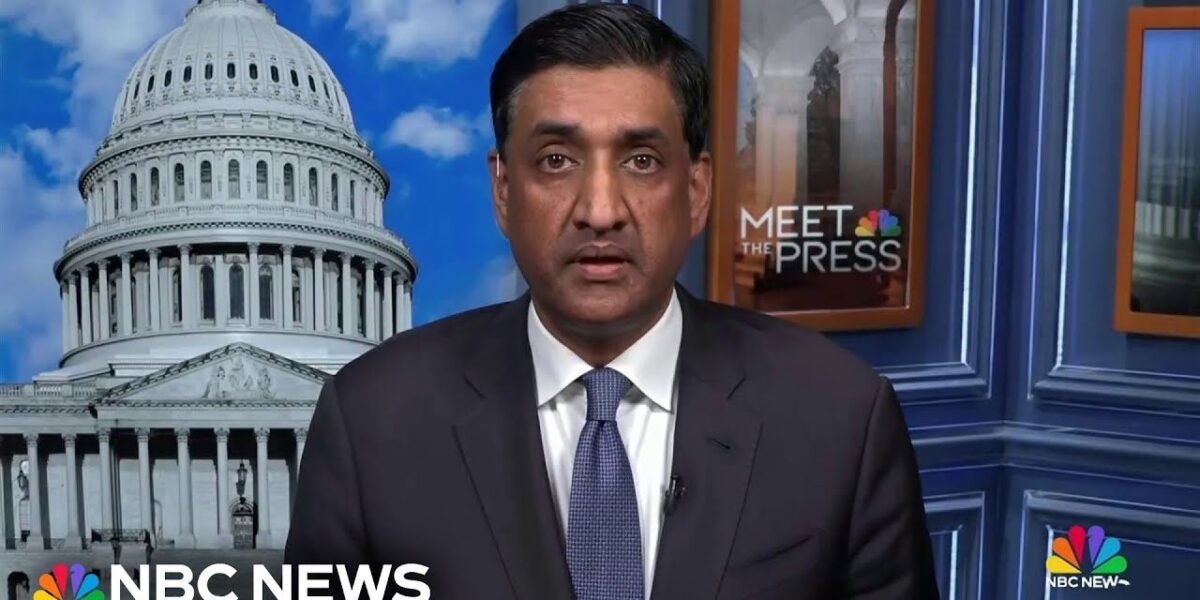
Khanna Argues Against Complacency Following Iran’s Supreme Leader Assassination
In a candid interview on ‘Meet the Press,’ Congressman Ro Khanna of California asserted that despite the elimination of Iran’s Supreme Leader, Ayatollah Khamenei, the United States is not demonstrably safer. Khanna, a prominent voice questioning the efficacy of foreign military interventions, directly challenged the prevailing sentiment, particularly from Republican foreign policy figures like Senator Lindsey Graham, who have declared the world a safer place with Khamenei gone.
Critique of Republican Foreign Policy and War Powers Resolution
Congressman Khanna has been a vocal critic of what he describes as Senator Graham’s consistent, yet misguided, approach to foreign policy, citing Graham’s past advocacy for interventions in Iraq and Libya. “Senator Graham now has become the face of Republican foreign policy. He’s been consistent, but he’s been consistently wrong,” Khanna stated. He emphasized that Khamenei was a brutal dictator, but his removal does not automatically translate to increased American security. Khanna pointed to the continued power of the Islamic Revolutionary Guard Corps (IRGC) and the pre-existing plans for selecting Khamenei’s successor as evidence that the fundamental power structure in Iran remains intact. “The question is will the country descend into civil war and are dollars going to be spent there and are American troops going to be at risk?” he posed, highlighting the potential for further instability and American entanglement.
Khanna is a co-sponsor of a bill with Congressman Jake Auchincloss to force a vote on a War Powers Resolution. He acknowledged that the vote would be close, expressing disbelief that any Democrat would advocate for further war in the Middle East. He noted a surprising alignment on this issue, with members like Congressman Henry Cuellar and Congressman Dan Crenshaw, as well as progressive voices like Congresswoman Marjorie Taylor Greene, opposing further military escalation. Khanna believes this stance aligns with the sentiments of a significant portion of the MAGA base, which he feels has been betrayed by Republican leadership, exemplified by Graham’s perceived hawkishness.
“I can’t believe there will be another Democrat who wants a war in the Middle East. You have Congressman Davis, Congressman Biggs and a number of people on the Democratic side who agree with Marjorie Taylor Greene. President Trump Libya was a disaster and the MAGA base did not want another war in the Middle East and they rejected Lindsey Graham…”
The Fight for Congressional Oversight
The Congressman detailed the ongoing efforts to secure enough votes for the War Powers Resolution, which would necessitate the White House seeking further congressional approval for military action in Iran. He identified moderate Democrats as crucial to the resolution’s passage. “It depends if we can keep several Democrats in line. Josh Gottheimer, Congresswoman Marcy Kaptur, folks who have been on the fence, but I believe that this is a disastrous vote for any Democrat to vote for Donald Trump’s war in the Middle East,” Khanna urged. He also noted the support from some Republicans who share a non-interventionist perspective, citing figures like Congresswoman Marjorie Taylor Greene and Senator Rand Paul.
Khanna elaborated on the function of the War Powers Resolution, explaining that it is precisely designed to allow Congress to halt military actions initiated by the President without explicit congressional authorization. “If the President launches an attack, Congress can say, no, you need to stop unless you have Congress’ authority,” he explained. He argued that the timing of the resolution’s push, following recent military actions, makes its passage even more critical, sending a strong message to the President and potentially restricting his future actions.
Epstein Files and Calls for Transparency
Shifting focus to another significant headline, Khanna addressed the ongoing fallout from the Jeffrey Epstein case. He commented on former President Bill Clinton’s closed-door testimony, where Clinton reportedly stated he had no knowledge of Epstein’s crimes. Khanna expressed confidence in Clinton’s testimony, suggesting that a full transcript would reveal that Clinton answered all questions thoroughly and did not invoke the Fifth Amendment. “When the transcript comes out I think people will see that he answered any question,” Khanna remarked.
Khanna proposed that Clinton’s willingness to testify should set a precedent, urging others, including former President Donald Trump and individuals like Howard Lutnick, to do the same. He revealed his efforts, in collaboration with Republicans, to subpoena Howard Lutnick. “Every person who went to that island or corresponded with Epstein going to his mansion should be called under oath to tell us what they knew,” Khanna demanded, emphasizing the need for full transparency regarding Epstein’s network and activities.
Regarding the possibility of subpoenaing former President Donald Trump, Khanna acknowledged that the current Republican majority in the House of Representatives makes such a move unlikely at present. However, he expressed optimism that with a change in committee leadership, such a subpoena could be pursued. He reiterated the ‘Clinton Rule’—that individuals should voluntarily testify and answer questions, as he believes President Clinton did. Khanna also raised concerns about the Justice Department’s withholding of three FBI interviews related to the case, questioning why these interviews are being hidden and when they will be released, suggesting these are critical questions that Donald Trump, among others, needs to answer.
Looking Ahead
The immediate focus for Congressman Khanna and his allies remains the crucial vote on the War Powers Resolution concerning Iran. The outcome of this vote will serve as a significant indicator of Congress’s willingness to assert its constitutional authority over military engagements. Simultaneously, the ongoing investigations into the Epstein case continue to demand transparency, with potential subpoenas and testimony from high-profile figures hanging in the balance. The political ramifications of both these issues, particularly concerning foreign policy and accountability, will likely shape public discourse and legislative action in the coming weeks.
Source: Ro Khanna says ‘Americans are not safer today’ after Iran’s Khamenei is killed: Full interview (YouTube)

Related Articles
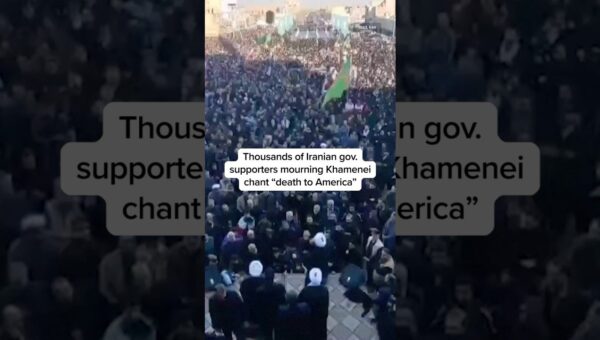
Thousands Mourn Khamenei, Chant ‘Death to America’ in Iran
Thousands gathered in Yazd, Iran, to mourn Supreme Leader Ayatollah Ali Khamenei following reported U.S. and Israeli strikes. The mourning ceremony was marked by chants of "Death to America," highlighting deep-seated anti-American sentiment amid geopolitical tensions.
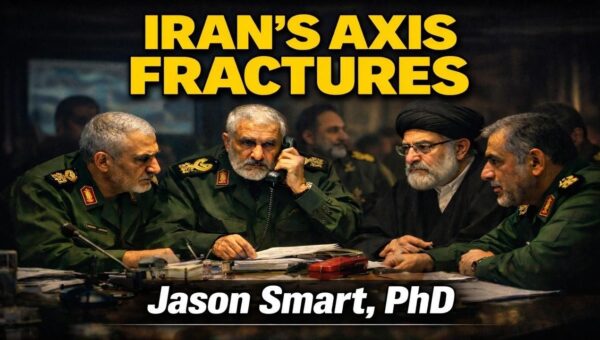
Iran’s Regime Under Siege: Attacks Cripple Leadership, Impact Russia
Iran's regime is reportedly facing critical blows from targeted attacks, crippling its leadership and severing a vital military supply line to Russia. This dual pressure is significantly impacting Russia's war efforts in Ukraine, while internal dissent grows within Iran.
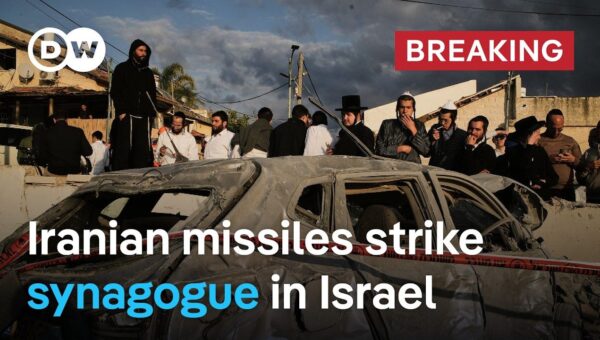
Iran Missile Strike Kills 9 in Israel, Netanyahu Vows Escalation
Nine people were killed and 28 wounded in a devastating Iranian missile strike on a synagogue in Beit Shemesh, Israel. Prime Minister Benjamin Netanyahu has vowed to intensify strikes on Tehran, as analysts discuss the escalating conflict and Iran's capacity for sustained resistance.