RFK Jr., McMahon Urge Med Schools to Boost Nutrition Education
Health Secretary Robert F. Kennedy Jr. and Education Secretary Linda McMahon are spearheading a new initiative to significantly expand nutrition education in U.S. medical schools. This move aims to equip future doctors with vital knowledge to combat chronic diseases through dietary interventions, shifting focus from medication to prevention.

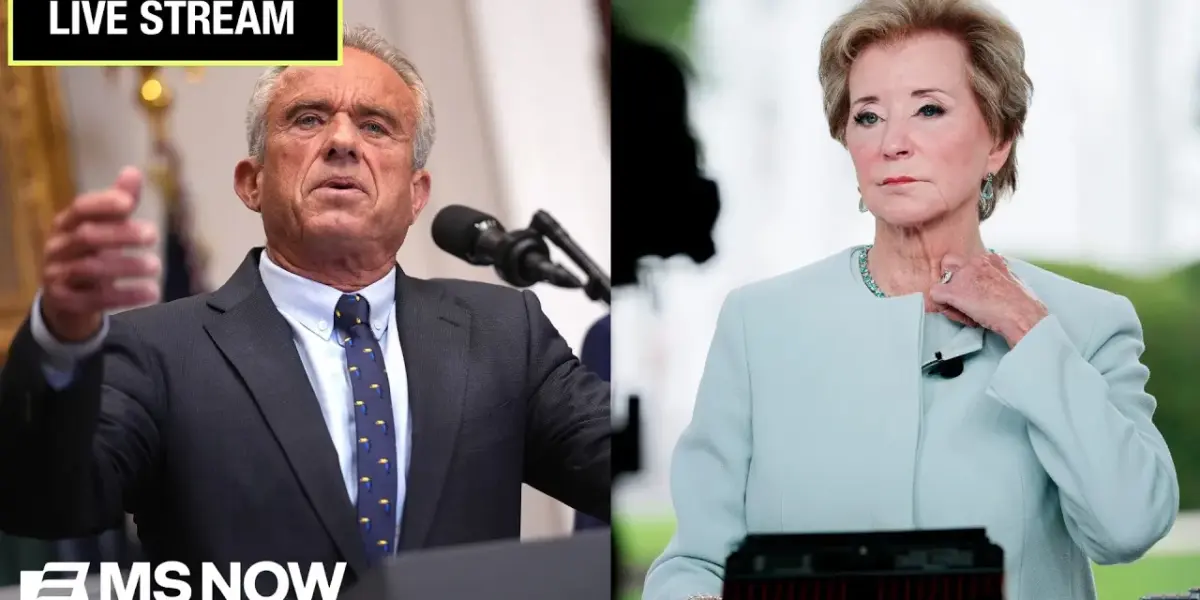
New Initiative Launched to Integrate Nutrition into Medical Training
In a significant move aimed at reshaping healthcare and preventative medicine, Health Secretary Robert F. Kennedy Jr. and Education Secretary Linda McMahon have announced a new initiative compelling medical schools across the nation to expand their nutrition education programs. The announcement, made as part of the Trump administration’s broader “Make America Healthy Again” initiative, signals a strategic pivot towards prioritizing dietary health as a cornerstone of medical practice, particularly as the upcoming fall academic year approaches.
Addressing a Critical Gap in Medical Expertise
Secretary Kennedy has been a vocal advocate for this change, spending months urging medical institutions to enhance their curricula. His argument centers on a perceived critical deficiency within the medical field: a lack of robust nutrition knowledge among healthcare professionals. This deficit, he contends, leads to an over-reliance on pharmaceutical interventions for chronic diseases, rather than leveraging the power of diet to prevent or manage these conditions effectively.
“Doctors are not well-versed in nutrition, which leads health professionals to treat chronic diseases with medication rather than preventing them through patients’ diets.”
This statement from Secretary Kennedy highlights the core philosophy behind the initiative. The administration believes that by equipping future doctors with comprehensive understanding of nutritional science, they can be empowered to offer more holistic and preventative care. This approach aims to shift the medical paradigm from disease management to proactive health promotion, with diet serving as a primary tool.
The “Make America Healthy Again” Initiative: A Broader Vision
The expanded nutrition education mandate is a key component of the “Make America Healthy Again” initiative. This broader agenda seeks to address multiple facets of public health, with a particular emphasis on combating the rising tide of chronic illnesses such as obesity, diabetes, heart disease, and certain cancers, many of which are strongly linked to dietary habits. By integrating nutrition education at the foundational level of medical training, the administration hopes to foster a new generation of physicians who are adept at counseling patients on lifestyle changes, including diet, as a primary strategy for disease prevention and management.
Potential Impact on Patient Care and Healthcare Costs
The implications of this initiative are far-reaching. Enhanced nutrition education could lead to several positive outcomes:
- Improved Preventative Care: Doctors equipped with nutritional knowledge can better advise patients on healthy eating, potentially reducing the incidence of diet-related chronic diseases.
- Reduced Reliance on Medication: By focusing on lifestyle interventions, the need for costly and potentially side-effect-laden medications could be diminished.
- Lower Healthcare Costs: Preventative care and reduced medication dependency could translate into significant savings for individuals and the healthcare system as a whole.
- Empowered Patients: Patients who receive informed dietary guidance from their doctors are likely to be more engaged in their own health management.
Critics have often pointed to the limited time dedicated to nutrition in many medical school curricula, with some programs offering only a handful of hours on the subject. This new directive seeks to rectify that imbalance, ensuring that nutrition is treated with the same seriousness as other core medical disciplines.
Looking Ahead: Implementation and Future Outlook
The success of this initiative will hinge on its effective implementation by medical schools nationwide. As the fall academic year approaches, attention will turn to how institutions respond to this directive. Key questions remain about the specific curriculum changes required, the availability of qualified nutrition educators within medical schools, and the long-term impact on patient outcomes. The administration’s commitment to this program suggests a sustained effort to integrate nutritional science more deeply into the fabric of American healthcare, with the ultimate goal of fostering a healthier nation.
Source: LIVE: Secy's RFK Jr. and Linda McMahon push med schools to expland nutrition education (YouTube)

Related Articles

RFK Jr. Accused of ‘Total Fraud’ Amidst Glyphosate Controversy
Robert F. Kennedy Jr. is facing accusations of being a "total fraud" following his support for a policy allowing the continued use of the herbicide glyphosate. Critics point to his past involvement with law firms that litigated against Monsanto over glyphosate's carcinogenic effects, questioning his long-held advocacy positions.

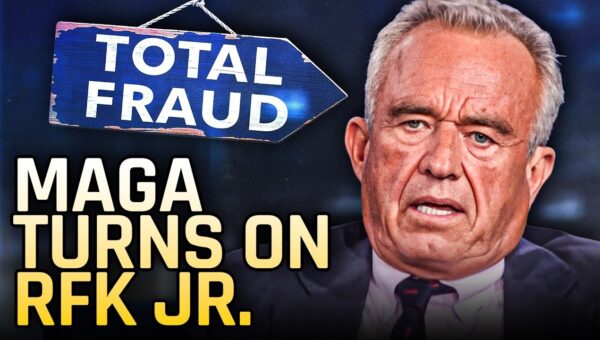
RFK Jr. Accused of “Total Fraud” Amid Glyphosate Controversy
Robert F. Kennedy Jr. is facing accusations of being a "total fraud" after his apparent support for a Trump administration executive order allowing widespread use of glyphosate, a chemical linked to cancer. The controversy has ignited outrage from the MAGA movement and former allies like Jillian Michaels, who cite Kennedy Jr.'s past work with firms involved in glyphosate litigation.


F1 Roars into 2026 with Major Rule Changes and New Teams
Formula 1 is ushering in its 2026 season with the most significant rule changes in 75 years, featuring redesigned power units and lighter, more aerodynamic cars. Drivers will face new strategic challenges managing electrical energy, while the debut of Cadillac F1 adds to the season's intrigue.