RFK Jr. Accused of ‘Total Fraud’ Amidst Glyphosate Controversy
Robert F. Kennedy Jr. is facing accusations of being a "total fraud" following his support for a policy allowing the continued use of the herbicide glyphosate. Critics point to his past involvement with law firms that litigated against Monsanto over glyphosate's carcinogenic effects, questioning his long-held advocacy positions.

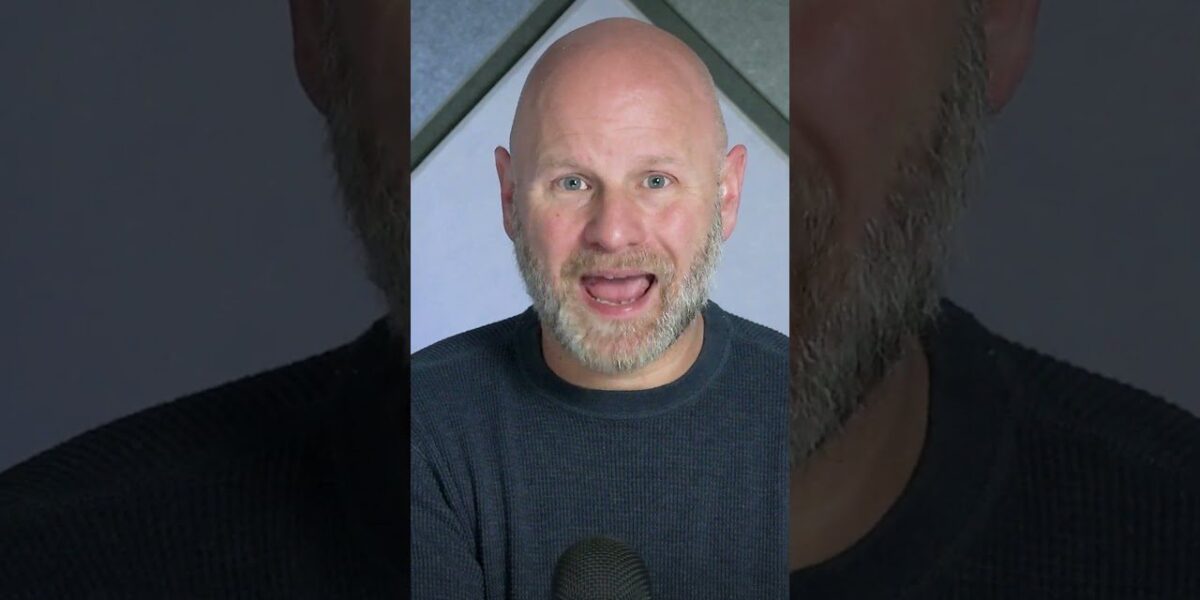
RFK Jr. Under Fire as MAGA Movement Shifts Stance
Robert F. Kennedy Jr., a prominent figure often associated with health and environmental advocacy, is facing intense scrutiny and accusations of being a “total fraud.” This shift in perception appears to be driven by his recent actions and past associations, particularly concerning the controversial herbicide glyphosate. What was once a figure embraced by segments of the MAGA movement and even health advocates has now become a target of criticism, with questions arising about his long-standing commitment to public health and environmental safety.
Glyphosate Controversy Ignites Backlash
The recent turning point for Kennedy Jr. seems to stem from his support of a Donald Trump executive order that permitted the continued proliferation of glyphosate, the key active ingredient in Monsanto’s (now Bayer) Roundup weedkiller. This decision has drawn sharp criticism, as glyphosate has been linked to serious health concerns, most notably cancer. Numerous studies have indicated a causal relationship between exposure to glyphosate and the development of various cancers, a fact underscored by repeated jury rulings in favor of plaintiffs in lawsuits against Monsanto.
“The reason MAGA has suddenly turned against Robert F. Kennedy Jr. and not just MAGA but even some of the people who are not necessarily political but have jumped on the maha make America healthy again uh agenda including Jillian Michaels.”
The controversy is particularly pointed given Kennedy Jr.’s professional background. It has been revealed that two of the leading law firms involved in the high-profile Monsanto litigation, which successfully argued for the carcinogenic properties of glyphosate, had Robert F. Kennedy Jr. serving as ‘of counsel’ at one point, and even during the litigation period for one of them. This association raises significant questions about his knowledge of the dangers posed by glyphosate and his subsequent support for policies that allow its continued widespread use.
Questions of Credibility and Past Work
Critics argue that Kennedy Jr.’s involvement with these firms and his alleged work on the very litigation that highlighted glyphosate’s dangers makes his current stance deeply hypocritical. The implication is that he was aware of the scientific evidence and legal findings regarding glyphosate’s link to cancer, yet chose to align himself with policies that could exacerbate public exposure to the chemical. This perceived inconsistency has led to accusations that his entire public career may be built on a foundation of deception.
The transcript suggests that Kennedy Jr.’s alleged “fraud” extends beyond this single issue, implying a pattern of behavior throughout his adult working life. While specific examples are not detailed in the provided text, the broad assertion points to a deep-seated skepticism about his motivations and the authenticity of his advocacy.
Broader Implications for Health and Environmental Advocacy
The backlash against Robert F. Kennedy Jr. has broader implications for the credibility of health and environmental advocacy movements. When a figurehead, who has built a significant platform on these issues, faces such accusations, it can sow distrust among the public and potentially undermine legitimate scientific and legal efforts to address environmental hazards. The “Make America Healthy Again” agenda, which reportedly included Kennedy Jr., now faces questions about its own integrity if it aligns with individuals whose actions contradict its stated goals.
The situation highlights the complex interplay between political alignment, corporate influence, and public health advocacy. The fact that a figure associated with environmental causes could support a policy favored by a chemical giant like Bayer (formerly Monsanto) underscores the challenges in maintaining a consistent and principled stance in a highly politicized landscape. The scrutiny of Kennedy Jr. serves as a case study in how public figures are held accountable for their actions, especially when those actions appear to conflict with their established platforms.
What’s Next for RFK Jr.?
As these accusations gain traction, the focus will likely remain on Robert F. Kennedy Jr.’s responses and any further revelations about his past dealings and current affiliations. The public and his former supporters will be watching closely to see if he addresses these specific criticisms regarding glyphosate and his role in past litigation. The ongoing debate could significantly impact his influence and the trajectory of his advocacy efforts, potentially reshaping public perception of his commitment to environmental and health causes.
Source: RFK Jr is a TOTAL FRAUD (YouTube)

Related Articles

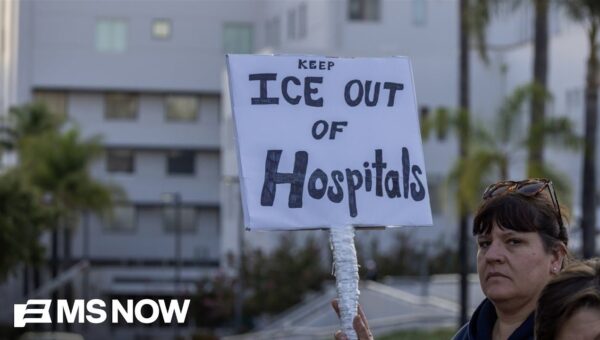
Trump Immigration Policies Fuel Healthcare Crisis, Doctors Warn
Immigration policies under the Trump administration are creating a public health crisis, forcing immigrants to avoid essential medical care and leading to preventable deaths. Doctors are warning of escalating costs and strain on healthcare systems as fear deters individuals from seeking treatment.


Kenya Launches Long-Acting HIV Prevention Drug
Kenya has launched a new, long-acting HIV prevention drug, Lenacapavir, offering a six-month injection regimen that is over 99.9% effective. This initiative aims to simplify prevention and bolster the national fight against HIV, especially as the country faces challenges with reduced international aid.

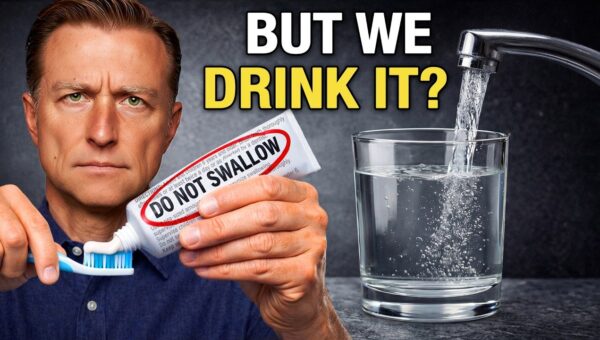
Fluoride in Water: Understanding the Risks and Benefits
Concerns are mounting regarding the systemic ingestion of fluoride from public water supplies, with potential links to dental fluorosis and other health effects. This article explores the science behind water fluoridation, the risks of uncontrolled dosing, and methods for reducing exposure.