RFK Jr. Accused of Causing Health Damage Amid Vaccine Data Questions
MSNBC's Ali Velshi has accused Robert F. Kennedy Jr. of causing significant long-term harm to American health and safety, linking his influence to rising measles outbreaks. This criticism emerges as new reports question the CDC's timely release of data on COVID-19 vaccine benefits, potentially impacting public trust.

RFK Jr.’s Impact on Public Health Under Scrutiny
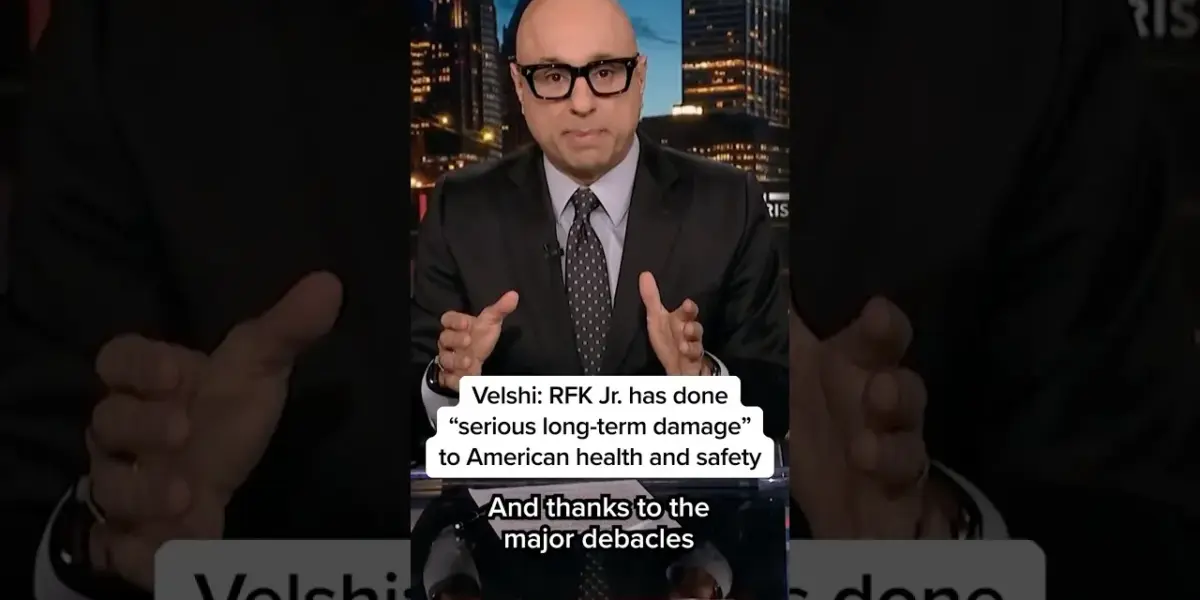
Robert F. Kennedy Jr. is facing serious accusations regarding his influence on American health and safety. MSNBC anchor Ali Velshi, in a recent segment, argued that Kennedy has inflicted long-term damage, particularly in connection with the ongoing measles outbreak. This criticism comes as new reporting from The Washington Post raises further questions about the Centers for Disease Control and Prevention (CDC) and its handling of data related to COVID-19 vaccine benefits.
Velshi highlighted concerns that Kennedy’s public statements and actions have contributed to a decline in vaccination rates. This decline, he suggested, directly correlates with the resurgence of preventable diseases like measles. The situation is amplified by the Post’s investigation, which probes a potential delay in the CDC’s publication of crucial data. This data could have shown the positive impact of COVID-19 vaccines.
Measles Outbreaks Linked to Falling Vaccination Rates
The resurgence of measles in various parts of the United States is a growing public health concern. Health officials have repeatedly pointed to declining vaccination rates as the primary driver behind these outbreaks. Measles is a highly contagious disease that can lead to serious complications, including pneumonia, encephalitis (swelling of the brain), and even death. Vaccination is the most effective way to prevent its spread.
Velshi’s commentary suggests that figures like RFK Jr., who have been vocal critics of vaccines, play a significant role in fostering vaccine hesitancy. This hesitancy can lead parents to delay or refuse vaccinations for their children. When enough people in a community are vaccinated, it creates herd immunity, which protects everyone, especially those who cannot be vaccinated for medical reasons. Declining herd immunity makes outbreaks more likely.
Questions Surrounding CDC Data Publication
Adding another layer of concern is the report from The Washington Post. The newspaper’s investigation has reportedly uncovered information suggesting that the CDC may have delayed releasing data that demonstrated the benefits of COVID-19 vaccines. Such a delay, if true, could have hindered public understanding and trust in vaccine efficacy during a critical period.
Velshi connected this reporting to the broader narrative around vaccine skepticism. He implied that a lack of clear, timely, and transparent data from public health institutions can inadvertently fuel misinformation. When official sources are perceived as withholding or manipulating information, it can deepen distrust among segments of the population. This distrust can then be exploited by those who actively promote anti-vaccine sentiments.
Velshi argued that RFK Jr.’s actions have caused ‘serious long-term damage’ to American health and safety.
The implications of these allegations are significant. They touch upon the core issues of public trust in scientific institutions and the critical importance of accurate information in health decision-making. The potential delay in publishing vaccine data, coupled with vocal anti-vaccine advocacy, creates a challenging environment for public health officials working to combat disease.
Broader Implications for Public Health Policy
The controversy surrounding RFK Jr.’s influence and the questions about CDC data highlight a larger struggle for public health in the digital age. Misinformation about vaccines can spread rapidly online, often outpacing factual corrections from health authorities. This makes the work of communicating accurate health information more difficult and more vital than ever.
Public health policy relies heavily on the public’s willingness to follow recommended guidelines, including vaccination schedules. When trust erodes, these policies become harder to implement effectively. The current situation underscores the need for transparency from health agencies and a concerted effort to counter health misinformation with clear, accessible, and evidence-based information. It also raises questions about the responsibility of public figures in shaping health discourse.
What to Watch Next
Moving forward, it will be crucial to monitor the ongoing measles outbreaks and their connection to vaccination rates in affected communities. Further details from The Washington Post’s reporting on the CDC data are also anticipated. Public health officials will likely continue to emphasize the importance of vaccination and work to rebuild trust. The public discourse surrounding vaccine skepticism and the role of prominent figures in shaping it will also remain a key area to observe.
Source: Velshi: RFK Jr. has done "serious long-term damage" to American health and safety (YouTube)

Related Articles

CDC Buries COVID Vaccine Success Report Amidst RFK Jr. Criticism
The CDC is reportedly withholding a report showing COVID-19 vaccines cut hospitalizations by half, according to the Washington Post. This comes as the U.S. faces its worst measles outbreak in decades, with experts linking the rise in cases to misinformation promoted by HHS Secretary Robert F. Kennedy Jr.

RFK Jr. Launches Podcast, Critics Question Priorities
Health Secretary Robert F. Kennedy Jr. has launched a new podcast, "The Secretary Kennedy Podcast," aiming for "radical transparency" and to expose government "lies." However, critics question his priorities, urging him to focus on his departmental duties amidst rising measles outbreaks and concerns about the nation's health infrastructure.

Plastic Invades Our Plates: Are We Eating Our Future?
Microplastics are now found in human tissues, sparking fears about our food supply. As the government investigates, citizens question the long-term impact of plastic on health and future generations. The fight against plastic pollution is on.