Retro MP3 Players: A Nostalgic Tech Dive
Before the iPod dominated the market, PC brands like Intel, Dell, and Lexar experimented with MP3 players. This article dives into some of the rarest and strangest early devices, exploring their features, limitations, and the nostalgic journey they represent.

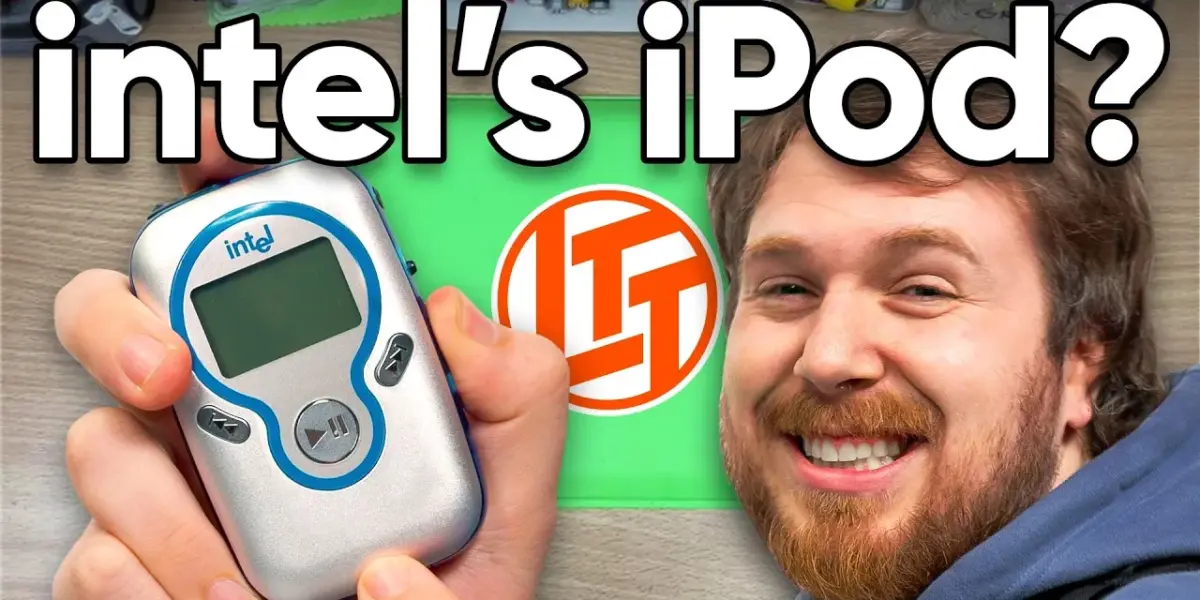
Before the iPod, PC Brands Battled for MP3 Supremacy
We all have warm memories of Apple’s iPod, the device that truly put music in everyone’s pocket. But long before the iPod arrived in 2001, a host of PC manufacturers were already experimenting with MP3 players. Recently, YouTube creator DankPods joined forces with a tech enthusiast to unearth some of the strangest and rarest of these early digital music players. These aren’t just old gadgets; they’re relics from a time when PC brands like Intel, Creative, Lexar, Dell, and Iomega tried to capture the portable music market, often with quirky designs and limited functionality.
Unearthing the Forgotten Players
The journey began with a deep dive into a collection of these forgotten devices. One of the first to be examined was the Lexar 128MB MP3 player. Back in the late 90s or early 2000s, 128 megabytes was a significant amount of storage, promising hours of music. The presenter noted the scratched-off price, suggesting the original owner was perhaps embarrassed by the cost. For perspective, 128MB today is tiny, but back then, it was equivalent to about 88 floppy disks. Early MP3 compression was also a concern, with the presenters speculating it used a 128kbps bitrate, which often resulted in poor sound quality compared to today’s standards.
The Lexar player featured a simple, one-button navigation system, which the presenter humorously pointed out is rarely easy. It supported operating systems like Windows Millennium and XP, placing its release around the turn of the century, just before the iPod’s debut. The device itself was in surprisingly good condition, even retaining its screen protector. It powered via a single AAA battery, and surprisingly, the included battery still showed a voltage reading, though not up to spec. Accessories included a lanyard, a USB 1.1 adapter, and a pair of headphones that looked a bit worse for wear.
Intel’s Pocket Concert: A Bold Attempt
Next up was the Intel Pocket Concert from 1999. This player also boasted 128MB of storage but claimed 4 hours of music playback and even included an FM radio. Intel marketed it with phrases like “durable aluminum” and “very low distortion,” though the presenter questioned the spelling of “aluminum.” The packaging was substantial, highlighting a “11mW high audio fluid” with a total harmonic distortion of 0.04%. The box included a sealed software disc for the “Intel Audio Manager,” a USB adapter, headphones, and a belt clip. The manual warned against using the player while operating vehicles, a common safety note for audio devices of that era.
The Intel Pocket Concert came with generic batteries, contrasting with the Energizer battery included with the Lexar. Installing the software required a CD-ROM drive, a standard for PCs in 1999. After a lengthy installation process, the device was recognized, and a pre-loaded digital audio file called “Guided Tour” played. The tour was a quirky, self-aware audio experience, highlighting the player’s features. Despite some initial setup hurdles, the Intel Pocket Concert seemed like a solid, albeit forgotten, competitor in the early MP3 market.
The Dell Pocket DJ: An iPod Mini Clone?
The collection also featured a Dell Pocket DJ, which looked remarkably like an iPod Mini clone. Released around 2004, this device offered 5GB of storage, a significant leap from the megabyte capacities of earlier players. It utilized mini-USB, a connector that has since become obsolete. The Dell player also boasted Microsoft PlaysForSure certification, indicating compatibility with digital music stores of the time. However, upon attempting to power it on, the device showed signs of unreliability, with the presenter noting that older MP3 players often struggled to boot up correctly.
The Dell Pocket DJ required Phillips head screws for access, suggesting a more complex internal structure. The drive inside was a tiny microdrive, a form of spinning magnetic storage that was an intermediate step between hard drives and solid-state memory. Unfortunately, the presenter’s attempt to get the Dell player working was met with frustration, as it failed to boot up properly, highlighting the fragility and unreliability that plagued many of these early devices. The takeaway seemed to be a cautionary note about the challenges of early digital music piracy and the struggle for brands to compete with Apple’s dominance.
Iomega Hip Zip: A Flashy, Fragile Contender
Perhaps the most unusual device was the Iomega Hip Zip. This player used small, removable “click” drives, a last-ditch effort by spinning magnetic media to compete with flash storage. Each drive offered 80MB of storage, which the presenter clarified was actually 40MB per disc, a misleading marketing tactic. The Hip Zip was designed to function as a portable zip drive as well as a music player. The packaging was extensive, including a carrying case, cables, and headphones. The device itself was chunky and felt substantial, but the click drives were known to be incredibly fragile and unreliable.
The presenters encountered immediate issues with the Hip Zip. It required two discs, and the system needed to be restarted with the device connected to be recognized by the computer. The included software, “Music Match Jukebox,” was also part of the setup. The discs themselves were formatted with identical content, suggesting a redundancy measure in case one failed. While the Hip Zip did manage to play a song briefly, it quickly succumbed to its inherent unreliability, a common fate for many of these early MP3 players. The presenter expressed a fondness for the Hip Zip’s unique design, despite its flaws.
The RCA LRA: A Childhood Relic
The final device discussed was an RCA LRA, a player that held personal significance for one of the hosts. This device, which resembled a small remote, was a luxury item for many kids in its time, costing a considerable amount. The presenter noted that these players supported EAX, a sound enhancement technology, and came with 6GB of storage, which was enormous for the era. It ran on four nickel-metal hydride batteries, offering about 4 hours of playback. The player came with a carrying case, which was essentially a CD wallet, reflecting the time when CD players were still the norm.
The RCA LRA also featured a robust set of inputs, including line-out and line-in ports, allowing it to function as a desktop audio deck. An IR receiver was included, enabling remote control functionality with older stereo systems. The device came with two sets of batteries, promising 8 hours of listening time. The presenters also touched upon Creative, a company still in existence, known for its Sound Blaster cards. The RCA LRA required a lengthy initial charge of its batteries, a common practice for rechargeable devices of that period. Despite the initial setup quirks and the need for specific Creative batteries, the RCA LRA was presented as a capable, albeit expensive, music player from a bygone era.
Conclusion: A Glimpse into the Past
Exploring these early MP3 players offers a fascinating look at the evolution of portable music technology. While they may seem primitive by today’s standards, these devices represent the ambitious attempts of PC manufacturers to innovate before Apple’s iPod redefined the market. Their quirks, limitations, and occasional successes paint a vivid picture of a rapidly changing tech landscape. The collaboration between DankPods and the host provided a nostalgic and entertaining journey through these forgotten digital audio artifacts.
Source: Roasting Failed iPod Attempts – feat. DankPods (YouTube)

Related Articles


GPU Power: The Ambitious Web Tech That Failed
Famulus was an ambitious 2012 startup that aimed to revolutionize web apps using GPU acceleration. Despite raising $30 million, it ultimately failed due to browser advancements, new development tools, and its own complexity. However, Famulus pushed the boundaries of web performance expectations.


Clubhouse’s Wildest Moments: From Lion King to Mansion Parties
Clubhouse, the audio-only social app, fostered incredible user creativity, from elaborate Lion King reenactments to bizarre virtual 'mansion parties' featuring impressionists. Its legacy highlights innovative content creation and the unpredictable nature of social media trends.
Clubhouse’s Meteoric Rise and Swift Fall
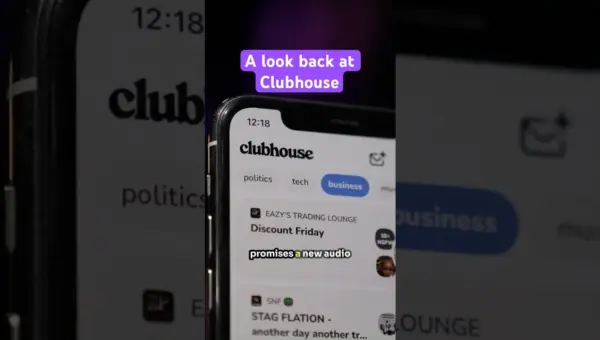
Clubhouse exploded onto the scene in 2020, offering a unique audio-only social experience that captivated millions. This article revisits the app's meteoric rise, its challenges with scaling and competition, and its lasting impact on social media.