Retired US General Stuck in Dubai Amid Regional Unrest
Retired U.S. Army Major General Randu Manor is among tens of thousands stranded in Dubai following regional unrest. He describes the situation as "surreal" and expresses disappointment with the U.S. government's response compared to allies.

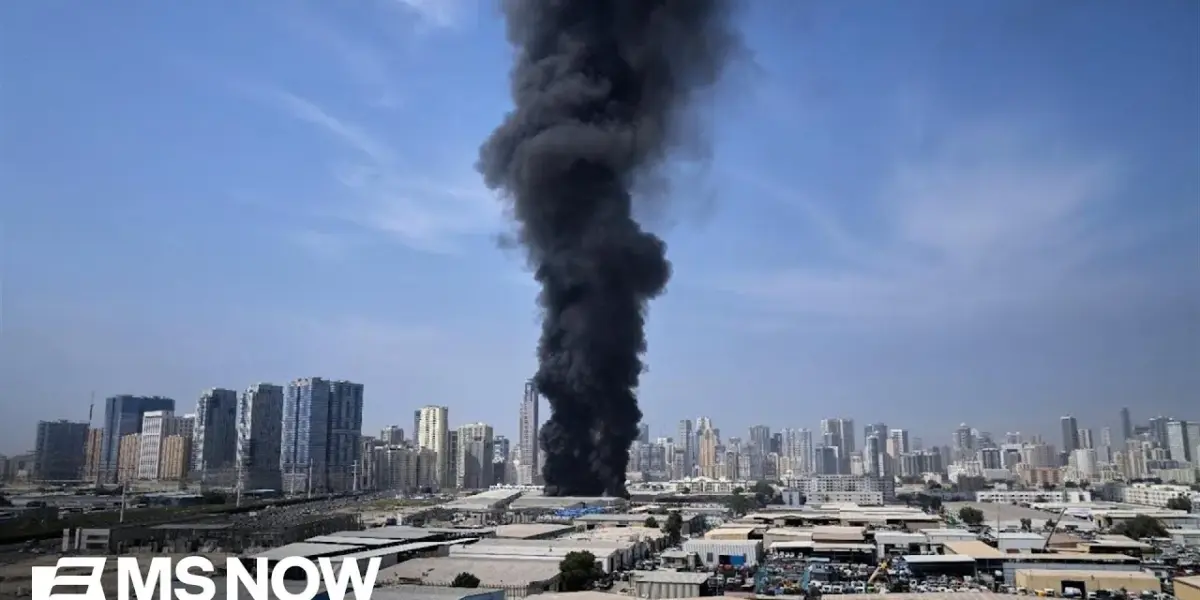
Retired US General Describes Surreal Experience Stranded in Dubai
DUBAI, UAE – Retired U.S. Army Major General Randu Manor, a veteran of operations in Iraq and Kuwait, finds himself unexpectedly stranded in Dubai, a situation he described as “very surreal.” Manor, who previously facilitated the U.S. military withdrawal from Iraq in 2010, was in transit through the United Arab Emirates for work when escalating regional tensions and subsequent airspace closures left him and tens of thousands of other international travelers grounded.
Chaos and Calm Amidst Missile Strikes
Manor recounted the harrowing experience of landing in Abu Dhabi as one of the last planes before the airspace was diverted. “There were missile strikes going on as we landed about 20 miles from the airport at the U.S. base there,” he stated. The immediate aftermath was marked by the blaring of thousands of phones, issuing warnings and alerts akin to tornado warnings in the United States. Despite the palpable tension, Manor observed a remarkable lack of panic among those present.
“There was no panic, but it was very, very surreal.”
The attacks, attributed to Iran, have created a complex geopolitical situation. Manor speculated on Iran’s potential calculus, suggesting a hope that regional pressure might compel the United States to de-escalate. However, he believes this strategy has backfired, leading to increased international scrutiny and condemnation of Iran’s actions.
Regional Governments Seek De-escalation
Indications from Manor suggest that many regional governments are actively attempting to influence the United States to conclude the current conflict swiftly. These nations are acutely aware of the detrimental impact on their economies and the direct risk to their citizens. The unprecedented nature of Iran’s attacks on non-U.S. bases has drawn significant attention and concern from these governments.
UAE’s Gracious Response Contrasted with U.S. Government’s Silence
Despite the unsettling circumstances, Manor lauded the UAE government and its people for their exceptional hospitality and calm demeanor. “The government and the people have been extremely gracious. They have been calm. There’s tension, but they’ve been very supportive of the tens of thousands of travelers from all nationalities as we are stuck here,” he said. This supportive environment stands in stark contrast to the perceived inaction from the U.S. government. Manor expressed dismay over the lack of official communication or assistance from the State Department, especially when compared to the British government’s swift organization of evacuation flights for its citizens.
“It feels a little bit disheartening to feel abandoned by our own government.”
Manor also touched upon the diminished capabilities of the State Department, citing significant budget reductions. He recalled his time as Deputy Commanding General in the region when small-scale civilian evacuations were more feasible, highlighting the current limitations faced by diplomatic missions.
Saudi Arabia’s Position and Shifting Regional Dynamics
The conversation also delved into the nuanced position of Saudi Arabia. While reports suggested Saudi Crown Prince Mohammed bin Salman (MBS) privately urged the U.S. to strike Iran, Saudi officials maintain that the Crown Prince merely offered his opinion when solicited. The recent visit of Saudi Defense Minister Prince Khalid bin Salman to Washington, where he reportedly conveyed a stark choice for the U.S. regarding Iran, has added complexity to the narrative. The Saudis appear keen to avoid being perceived as lobbying for military action, particularly in concert with Israel.
Gulf officials have indicated that the attacks on GCC states have fundamentally altered the regional landscape. While these governments have issued strong statements reserving their right to respond, they currently appear hesitant to engage directly, relying on the U.S. and Israel to degrade Iran’s military capabilities. There is an estimation among these officials that airspaces may reopen within days, possibly due to Iran’s dwindling missile supplies and degraded long-range attack capabilities.
Unclear Objectives and the Need for Clarity
Manor expressed concern over the apparent lack of clear objectives guiding the U.S. military response. He noted the shifting justifications for potential strikes, ranging from preventing nuclear weapon production to regime change, sinking the Iranian navy, or even deploying ground forces – a prospect he deemed unlikely given the limited U.S. military footprint in the region compared to his past deployments.
“I think it’s interesting that the American people do not really understand what is the objective, and we deserve to understand what does the in-state look like, and when will we know when we are there?”
He emphasized the critical need for transparency regarding the ultimate goals of U.S. policy in the region and the criteria for determining success. While acknowledging the outrage of local governments towards Iran’s actions, Manor stressed the importance of diplomatic solutions and negotiation amidst the escalating tensions.
Looking Ahead: Awaiting Airspace Reopening and Diplomatic Resolution
As tens of thousands of travelers remain stranded in Dubai and elsewhere, the immediate focus is on the potential reopening of regional airspaces. The situation underscores the fragility of Middle Eastern stability and the cascading effects of geopolitical conflict on international travel and diplomatic relations. The coming days will be crucial in determining whether diplomatic efforts can de-escalate the crisis and allow stranded individuals, including Major General Manor, to return home, while the underlying objectives of U.S. policy in the region remain a subject of critical public interest.
Source: 'Very surreal': Retired U.S. Army Maj. Gen. describes being stuck in Dubai (YouTube)

Related Articles


Iran War Escalates: US Casualties Mount Amidst Regional Chaos
The conflict with Iran is intensifying, marked by rising U.S. casualties and the closure of the Strait of Hormuz. This escalation carries significant economic repercussions and raises concerns about a wider regional war and even global conflict.


Iran, US, Israel: Analyzing Goals Amidst Escalating Middle East Conflict
As the Middle East teeters on the brink of wider conflict, this analysis delves into the strategic goals and limitations of Iran, the US, and Israel. Iran prioritizes regime survival amidst leadership losses, employing a strategy of attrition through missiles and drones. The US faces unclear objectives and domestic constraints, while Israel focuses on neutralizing Iranian threats and preventing nuclearization.


Americans Stranded Overseas Amid Iran Strikes: “Can’t Find a Way Home”
Americans are stranded overseas, including a father and daughter in Jerusalem, due to widespread flight cancellations following Iran strikes. The group describes the fear and uncertainty but also a strengthening of faith amidst the crisis, as they await news on when they can return home.