Retired General Slams Trump’s Iran Policy as ‘Political Mess’
Retired General Barry McCaffrey has condemned President Trump's approach to Iran as a "political mess," citing a lack of congressional authorization and diplomatic engagement. While commending the effectiveness of recent military strikes, McCaffrey emphasized the critical need for de-escalation and a return to nuclear talks.

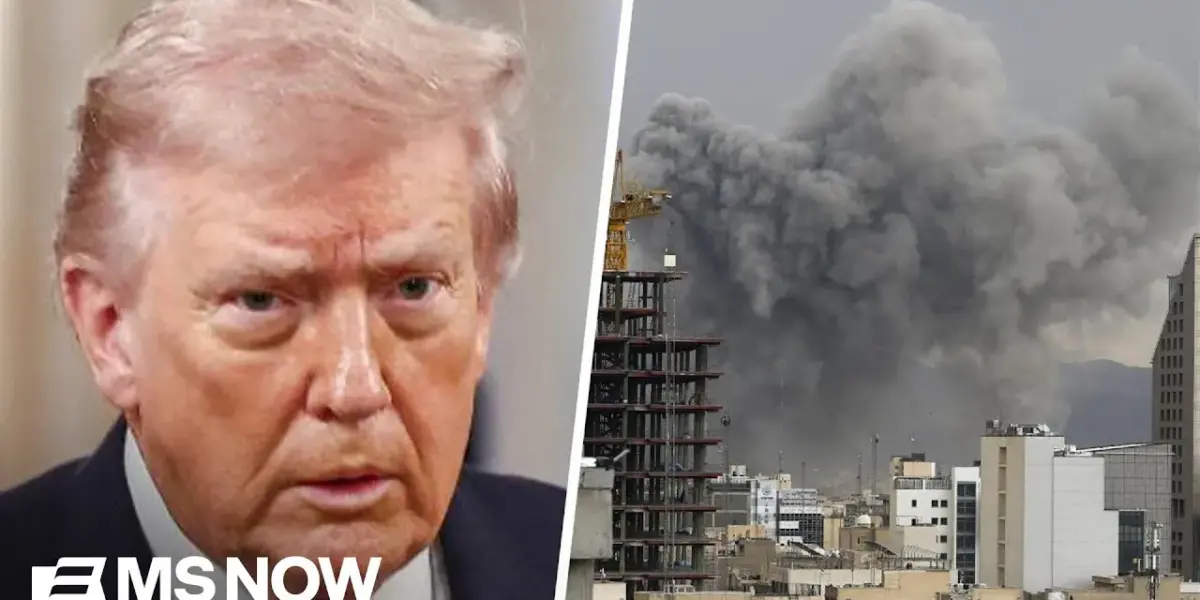
Ret. General Criticizes Trump’s Iran Strategy as ‘Political Mess’
WASHINGTON D.C. – A retired four-star general has sharply criticized President Trump’s handling of the escalating tensions with Iran, labeling the approach a “political mess” driven by “government by decree, policy by whim.” Retired U.S. Army General Barry McCaffrey, a decorated Gulf War veteran, expressed deep reservations about the lack of congressional authorization, engagement with the American public, and efforts to build an international coalition prior to recent military actions against Iran.
Lack of Political and Diplomatic Engagement
General McCaffrey, who was reportedly among those who warned the administration about potential munitions shortages for sustained conflict, highlighted the administration’s failure to engage key stakeholders. “The president made no attempt to deal with Congress, get authorization. He really didn’t engage the American people, tell them why we should do this. He made zero effort to bring in allies, not just European NATO allies, but also regional powers,” McCaffrey stated. This perceived diplomatic vacuum, he argued, creates “a real problem on where we’re going.”
Military Operations Praised Amidst Political Fallout
Despite his strong criticism of the political and diplomatic strategy, McCaffrey acknowledged the effectiveness of the recent military operations. “Having said that, it’s clear to me that the military operation is going extremely well,” he commented. He described a “massive decapitation of the leadership,” noting that this marked the second time in a year that top Iranian military figures had been eliminated, and that the latest actions targeted “the political bedrock of the entire regime, killing Khomeini.”
The Path Forward: A Desire for De-escalation and Nuclear Talks
The core of the geopolitical challenge, according to McCaffrey, lies in finding an exit strategy. “I think there is a concern ongoing, where do we get out of this? Both sides don’t want to continue this war, neither the Iranians or the U.S. The Israelis probably do,” he observed, suggesting Israel’s focus on ballistic missiles. McCaffrey posited that the only “positive” outcome would be for Iran to agree to talks and relinquish its pursuit of nuclear weapons, allowing for International Atomic Energy Agency (IAEA) inspectors on the ground. “Other than that, the whole thing…” he trailed off, implying a lack of viable alternatives if diplomatic avenues are not pursued.
Regional Repercussions and Economic Impact
The conflict’s ripple effects across the Middle East and the global economy were also a significant concern. McCaffrey noted that Iran’s neighbors were already wary of its actions, particularly attacks on infrastructure that impacted oil prices. “By attacking an airport in Dubai, by attacking a glitzy hotel, by attacking ports and setting up the price of oil. They’re not making it easier on the Gulf,” he said. The analysis suggests that Iran’s attempts to pressure the region and the U.S. may have backfired. The potential for Iran to leverage its capabilities in terrorism and target regional oil supplies, including Saudi and Kuwaiti reserves, remains a critical threat, especially if they feel cornered. The declaration of closing the Strait of Hormuz, even if short-lived, is expected to have a “devastating impact on Iran and also on the rest of the world, particularly Europe and Japan with reduced oil supplies” in the immediate future.
Concerns Over Munitions Stockpiles and Strategic Priorities
A critical operational concern raised by McCaffrey pertains to the U.S. military’s readiness and munitions stockpiles. He alluded to a potential warning about insufficient ammunition to sustain a prolonged conflict. The need to maintain robust defensive capabilities, particularly for systems like THAAD, Patriot, and naval missiles such as Tomahawks and SM-3s, is paramount, especially in the context of deterring China in the Pacific. The current conflict, however, has placed Iran in a precarious position operationally. “The Iranians are really flat on their back. It’s been a very ineffective from an operational viewpoint response,” McCaffrey stated, suggesting they are hoping for a single, decisive blow against a U.S. naval vessel to claim a military triumph and force negotiations.
The Future of Iran’s Leadership and Regional Alliances
The “decapitation” of Iran’s top political and military leadership, while militarily effective in the short term, has also created confusion regarding who to negotiate with. McCaffrey raised the possibility of a fracture between the Islamic Revolutionary Guard Corps (IRGC) and the regular army, though he sees no easy way out for Iran other than eventual talks. The underlying sectarian divide between Shia Iran and the Sunni Arab states adds another layer of complexity. While Gulf nations like the UAE may fear a direct conflict, they might secretly desire regime change in Iran. The desperation of the Iranian regime could lead them to exploit their capabilities for terrorism and disruption of oil supplies, a move that represents a “final draw” but one they have demonstrably considered.
What’s Next?
As the region navigates this volatile period, the focus will remain on whether diplomatic channels can be opened, particularly concerning Iran’s nuclear ambitions. The international community will be watching closely to see if the U.S. can re-engage allies and if Iran, facing internal and external pressures, will opt for negotiation over further escalation. The sustainability of U.S. munitions stockpiles and the broader strategic implications for deterring adversaries like China will also be key considerations.
Source: 'Political mess': Ret. 4-Star Gen. reacts to Trump's strikes on Iran (YouTube)

Related Articles

US Strikes Iran to Neutralize Missile Threat, Official Says
U.S. Secretary of State Marco Rubio confirmed a proactive military operation against Iran, aimed at dismantling its ballistic missile capabilities. The strike was deemed necessary to prevent Iran from acquiring the power to threaten global security, with officials emphasizing a defensive posture to avert future escalation and casualties.
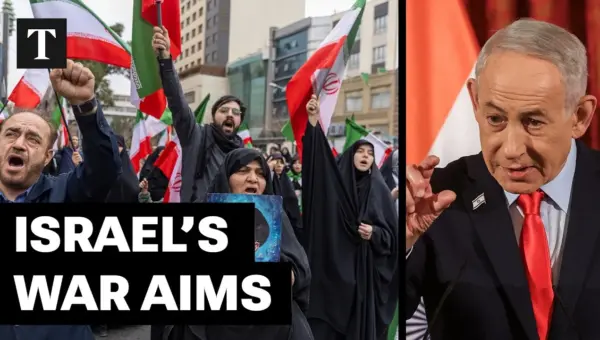
Israel Unveils Ambitious War Aims: Target Iran’s Nuclear Program
Israel has declared three primary war aims in its conflict with Iran: the complete eradication of its nuclear program, the cessation of ballistic missile production, and the empowerment of the Iranian people to overthrow their current regime. Spokesperson Alex Gandler detailed the strategy, acknowledging the ambitious nature of the goals and highlighting the importance of Iranian internal support and international cooperation.

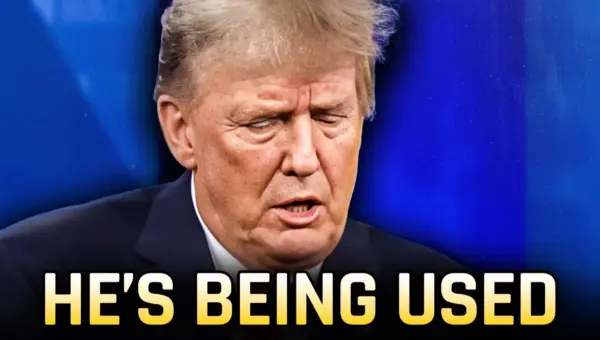
Trump: A Pawn in Middle East Power Plays?
A report suggests Donald Trump's administration was pushed into military action against Iran by Israeli and Saudi leaders. This analysis questions the autonomy of U.S. foreign policy and its susceptibility to external influence, painting a grim picture of potential long-term consequences.