Retail Sales Surge, Inflation Fears Linger
U.S. retail sales saw a significant 1.3% surge in May, surpassing expectations and indicating consumer spending resilience. However, persistent inflation fears loom, complicating the Federal Reserve's monetary policy decisions.


Retail Sales Jump 1.3% in May, Defying Expectations Amidst Inflation Concerns
The latest economic data reveals a surprisingly robust performance in U.S. retail sales for May, which surged by 1.3% month-over-month. This figure significantly outpaced economists’ expectations, offering a glimmer of optimism for consumer spending resilience despite persistent inflationary pressures. The increase, a notable acceleration from the revised 0.4% gain seen in April, suggests that consumers are continuing to spend, albeit potentially shifting their purchasing habits in response to rising prices.
Key Drivers of the Sales Surge
While the overall retail sales figure was strong, specific sectors painted a more nuanced picture. The automotive sector, in particular, showed remarkable strength, with sales increasing by 1.4%. This could be attributed to a combination of factors, including improved inventory levels for some manufacturers and continued demand for vehicles, even as interest rates remain elevated.
Another area of notable growth was ‘non-store retailers,’ which includes e-commerce. This category saw a substantial 1.7% increase, underscoring the ongoing shift towards online shopping and its continued dominance in consumer purchasing behavior. This trend highlights the adaptability of online platforms and their ability to capture consumer spending, even in a challenging economic environment.
However, not all sectors experienced such buoyant growth. Sales at general merchandise stores saw a modest increase of 0.5%. Meanwhile, the electronics and appliance stores category experienced a slight contraction, with sales falling by 0.1%. This divergence suggests that while consumers are broadly spending, they may be prioritizing essential purchases or big-ticket items like cars over discretionary goods like electronics, or perhaps facing budget constraints that limit such purchases.
Inflationary Headwinds Persist
Despite the positive retail sales numbers, the underlying inflationary pressures remain a significant concern for the Federal Reserve and market participants. While the transcript does not provide specific inflation figures, the context of a strong consumer spending environment often correlates with increased demand, which can, in turn, fuel inflation. The Federal Reserve has been actively working to cool the economy and bring inflation back to its 2% target through a series of interest rate hikes. The latest retail sales data complicates this picture, suggesting that the economy might be more resilient to these rate hikes than anticipated, potentially requiring further monetary tightening or a longer period of elevated interest rates to achieve the desired inflation reduction.
Market Impact and Investor Considerations
The stronger-than-expected retail sales figures can have a dual impact on financial markets. On one hand, robust consumer spending is a positive indicator for corporate earnings, particularly for companies heavily reliant on consumer demand. This could provide support for equity markets in the short term.
On the other hand, sustained strong spending could reinforce concerns about sticky inflation. This might lead the Federal Reserve to maintain its hawkish stance on monetary policy, potentially keeping interest rates higher for longer. Higher interest rates can increase borrowing costs for businesses and consumers, potentially slowing down economic growth in the medium to long term. They also make fixed-income investments, such as bonds, more attractive relative to equities.
Investors will be closely watching upcoming inflation reports, such as the Consumer Price Index (CPI) and Producer Price Index (PPI), to gauge the true extent of price pressures. The Federal Reserve’s subsequent policy decisions will be heavily influenced by this data. If inflation continues to prove stubborn, further rate hikes or a prolonged period of high rates could weigh on growth-sensitive sectors and increase volatility in the stock market.
Sectoral Performance and Outlook
The divergence in sector performance within the retail sales report is also noteworthy. The strength in automotive and e-commerce suggests continued consumer demand for these areas. Companies in these sectors might continue to see favorable conditions, provided that broader economic slowdowns do not materialize.
Conversely, sectors like electronics and appliances, which saw a slight decline, might face headwinds. Consumers might be delaying non-essential purchases or opting for more budget-friendly alternatives in the face of higher living costs. This could impact the profitability of companies in these segments.
Looking Ahead: Economic Crossroads
The May retail sales data places the U.S. economy at a critical juncture. The resilience of consumer spending is a positive sign, but it comes against a backdrop of ongoing inflation concerns. The Federal Reserve faces the delicate task of balancing economic growth with price stability. Investors will need to remain vigilant, monitoring economic indicators closely and understanding the potential implications of monetary policy decisions on different asset classes and sectors. The path forward will likely involve navigating continued uncertainty, with a focus on companies that demonstrate strong fundamentals and pricing power in a potentially inflationary environment.
Source: From Paycheck to Purpose (YouTube)

Related Articles


Premium Gyms Thrive, Budget Chains Face Headwinds
Premium gym chain Lifetime Fitness reported strong 2025 performance, contrasting with the cooling growth of value-focused Planet Fitness. This divergence highlights the 'K-shaped' economy and varying consumer spending power.


Russia’s Hidden Debt Crisis: A Silent Drain on Citizens
Russia is reportedly accumulating significant debt through complex financial schemes, which critics argue are subtly draining resources from its citizens. The government's reliance on borrowing, coupled with inflation and rising interest rates, is placing a growing burden on ordinary Russians.

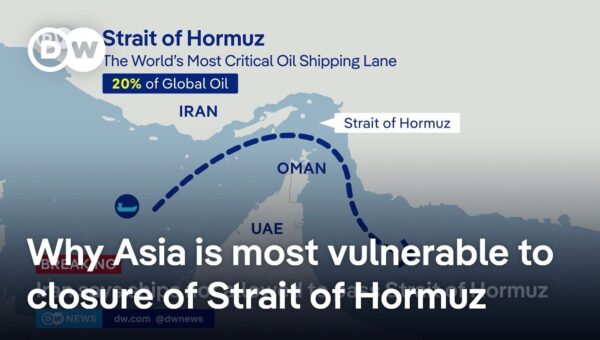
Iran Strait of Hormuz Blockade Threatens Global Oil Prices
Iran's Revolutionary Guard has issued warnings against ships passing through the Strait of Hormuz, a critical global oil chokepoint. This potential blockade threatens to disrupt 20% of the world's crude oil flow, potentially spiking energy prices and fueling global inflation. Experts warn of significant market reactions and widespread economic consequences.