Resident Evil’s Wildest Secrets Revealed!
Dive into the hidden history of Resident Evil! Discover cancelled games, bizarre voice acting inspirations, and how RE4's cut content birthed other Capcom classics. Uncover the secrets that shaped the iconic survival-horror saga.

Resident Evil’s Shocking Secrets: From Cancelled Games to Campy FMVs
Capcom’s legendary Resident Evil franchise is renowned for its terrifying scares, intricate puzzles, and iconic characters. But beneath the polished survival-horror surface lies a labyrinth of development twists, scrapped ideas, and surprising origins that could have drastically altered the course of zombie-infested history. From a rejected zombie movie pitch by a legendary director to canceled spin-offs and ambitions for multiplayer that never quite landed, the journey of Resident Evil is as wild as any encounter with a Tyrant.
The Road Not Taken: Cancelled Games and Radical Concepts
The Resident Evil universe we know and love is built upon a foundation of discarded concepts. Did you know that a canceled multiplayer game was initially planned as a springboard for a potential Resident Evil Revelations 3? This ambitious project, later evolving into the standalone multiplayer title Resident Evil Re:Verse, was intended to tie directly into the narrative of a future Revelations installment, a move that could have significantly expanded the lore of the series.
Even major entries saw significant changes. The initial vision for Resident Evil 3 included a more robust multiplayer component that was ultimately revealed as the asymmetrical horror game Resistance, a move that left many fans feeling misled by the marketing surrounding the remake. Furthermore, a technology demo developed for the Nintendo 3DS, initially conceived as a potential Resident Evil 5 on the handheld, eventually morphed into the standalone Resident Evil: The Mercenaries 3D.
The origins of the Outbreak series also reveal a fascinating pivot. The cooperative, online-focused gameplay that defined Resident Evil Outbreak and its sequel, Outbreak File #2, actually stemmed from an earlier concept for a multiplayer experience, demonstrating Capcom’s early interest in exploring the social aspect of survival horror.
Beyond Raccoon City: Handheld Oddities and Unseen Worlds
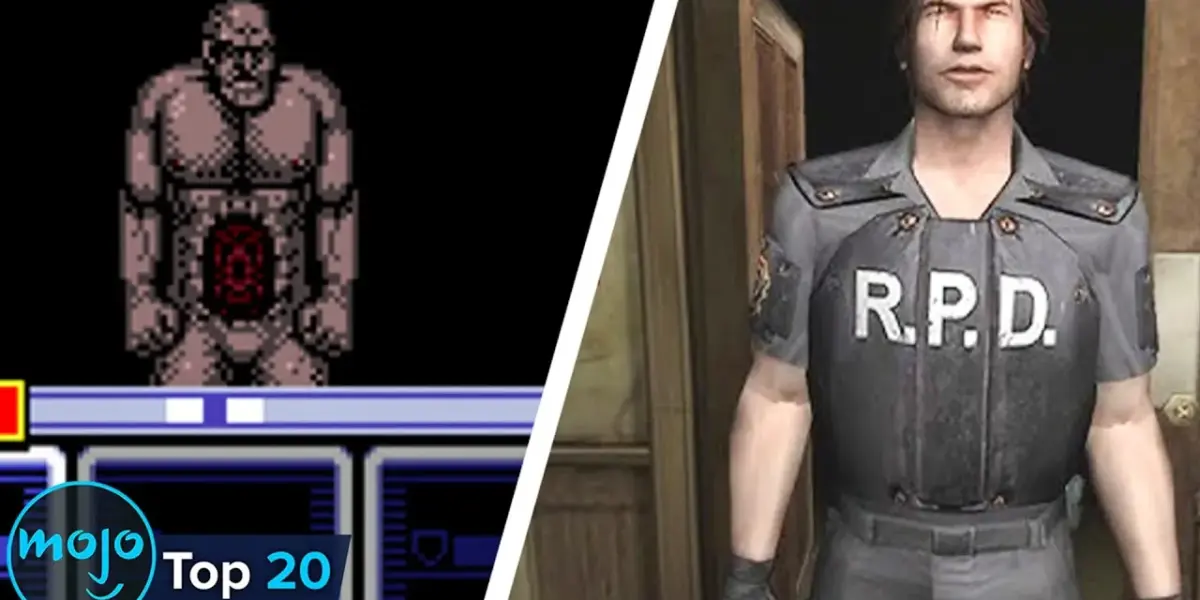
The Resident Evil saga isn’t confined to home consoles. The series explored the handheld market with ambitious, albeit often overlooked, titles. A pitch for a Resident Evil Gaiden game on the Game Boy Color showcased a unique top-down perspective and a narrative that diverged significantly from the main series’ established formula. This was followed by a Game Boy Advance prototype that further hinted at Capcom’s willingness to experiment with the franchise on portable devices.
Voice Acting and Visuals: The Birth of Camp
The early days of Resident Evil were also marked by rushed development cycles, particularly for the English localization of Full Motion Video (FMV) cutscenes. These time constraints led to notoriously campy voice acting performances that, while unintentionally humorous, have become an endearing part of the franchise’s charm for many fans. These performances, often criticized at the time, are now celebrated for their B-movie quality and contribute to the series’ unique identity.
Even character design and voice direction had their quirks. Albert Wesker, the enigmatic and menacing antagonist, reportedly drew inspiration from the voice acting of The Jungle Book’s Kaa, a surprising influence for one of gaming’s most formidable villains. This quirky detail adds another layer to the complex characterization that has defined Wesker’s arc.
A Universe of Possibilities: Rejected Pitches and Spawning Classics
Before Resident Evil became a global phenomenon, legendary director George A. Romero, the father of the modern zombie film, was approached to write a movie draft for the franchise. While his vision was ultimately rejected, it highlights the early ambition and external creative forces that orbited the burgeoning series.
The influence of Resident Evil extends beyond its own sequels and spin-offs. Some of the most innovative ideas and mechanics that were cut from the development of Resident Evil 4 went on to form the basis of other beloved Capcom classics, including the stylish action-adventure game Devil May Cry and the historical samurai action title Onimusha: Warlords. This demonstrates the fertile ground of creativity that the Resident Evil development process fostered.
Branding and Evolution: The Biohazard Name and Beyond
The very name Resident Evil is a testament to adaptation. Originally conceived as Biohazard in Japan, the title was changed for its Western release due to trademark issues with a band named Biohazard. This rebranding was a crucial step in establishing the franchise’s global identity.
From its humble beginnings and experimental phases to its status as a multi-billion dollar global franchise, Resident Evil has consistently evolved, defying expectations and offering fans a rich tapestry of horror, action, and compelling narratives. These unearthed secrets only deepen our appreciation for the enduring legacy of Capcom’s survival-horror masterpiece.
Source: Top 20 Resident Evil Facts You Didn't Know (YouTube)

Related Articles

NES Secrets: Mario’s Lyrics & Horror Origins Revealed!
The Nintendo Entertainment System (NES) holds more secrets than fans might realize. From official lyrics for Super Mario Bros. to the surprising origins of horror games on the console, the NES's history is filled with fascinating revelations. Discover the console's mysterious release, its million-dollar cartridges, and its iconic robotic mascot, R.O.B.


Resident Evil Requiem Stuns with Shocking Secrets!
Resident Evil Requiem is packed with hidden surprises, from Leon's franchise timeline license plate to a tribute to Claire Redfield. Uncover the secrets of the RPD and beyond in this thrilling installment.

SNES Secrets: Unearthing 20 Shocking Facts
Discover the hidden histories and surprising design choices behind Nintendo's iconic Super Nintendo Entertainment System. From anti-beverage console designs to the origins of PlayStation and early cloud gaming experiments, the SNES is packed with more secrets than you think.