Rescued Airman’s Ordeal Highlights Military Resilience, Leadership Concerns
A U.S. Airman survived a harrowing 36-hour ordeal in Iran, demonstrating incredible resilience with only a pistol for defense before a large-scale rescue operation. The event, while a success for military training, has sparked debate over presidential rhetoric and leadership changes causing concern within the Department of Defense.

Airman Survives Daring Rescue in Iran
A U.S. Airman, identified as a colonel, endured a harrowing 36-hour ordeal in Iran, surviving with only a pistol for defense before a dramatic rescue. The officer evaded capture by hiding in a mountain crevice and hiking up a 7,000-foot ridgeline, despite suffering injuries. This remarkable display of resilience and courage is being hailed as a testament to the Airman’s training and fortitude.
Extensive Operation Led to Successful Rescue
The successful extraction of the Airman was not the work of one individual but a massive, coordinated effort involving hundreds of personnel. Search and rescue pilots, along with intelligence assets from agencies like the CIA and NSA, worked tirelessly to locate the missing officer. This complex operation underscores the capabilities and dedication of the U.S. military and its intelligence community.
Concerns Over Presidential Rhetoric and Military Leadership
While the rescue itself is being celebrated as a major success, questions are being raised about the impact of President Trump’s public statements and recent actions regarding military leadership. Some experts worry that the President’s rhetoric, including comments about helping the Iranian people while also threatening to destroy Iran, may confuse the mission’s objectives and alienate the very people the U.S. aims to support.
“When you’re in wartime, military leaders, military officers and the rank and file want everything they need to support their mission. And I think the concern is when this kind of rhetoric is introduced, that it’s a not helpful factor in their effort to fight this war.”
Firings Create Climate of Fear
Adding to the unease, Defense Secretary Mark Esper has been carrying out a series of firings, including a general. While these dismissals do not appear to be directly linked to wartime conduct, the lack of clear explanations has created a “climate of fear” within the Department of Defense. Military personnel are reportedly becoming less willing to offer candid advice, fearing that their jobs could be at risk.
Impact on Military Decision-Making
This uncertainty about leadership and potential dismissals raises serious questions about the quality of advice reaching top commanders and the President. In complex situations like the current conflict, candid advice is crucial for effective decision-making. The firings also leave many within the ranks questioning who is valued and what criteria determine who might be next to face dismissal.
Risks of Ground Operations in Iran
The possibility of future ground operations in Iran, including potential missions to retrieve enriched uranium or seize islands, has also been discussed. However, military experts warn that any such operation would be extremely high-risk, potentially leading to significant American casualties. Comparing the scale to the Iraq invasion, which involved hundreds of thousands of troops, experts note that current force levels may not be sufficient for a meaningful impact in a country as large as Iran.
Loyalty Over Competence Concerns
There is a growing concern that the administration may be prioritizing personal loyalty over professional competence when making military appointments. This approach is seen as particularly dangerous, drawing comparisons to historical purges of experienced officers by leaders like Stalin and Hitler before engaging in wars. Such a strategy could undermine confidence among American service members regarding their leadership.
Uncertainty Surrounds Exit Strategy
As the situation unfolds, there is a significant lack of clarity regarding an exit strategy from the current conflict. The President’s imposed deadlines and the high rate of munitions expenditure add to the uncertainty. Without a clear understanding of the criteria that initiated the conflict, it is difficult to predict the outcome of potential negotiations or the overall direction of U.S. involvement.
The resilience of the rescued Airman highlights the strength and training of U.S. service members. However, ongoing concerns about leadership, communication, and strategic clarity cast a shadow over military operations and raise questions about future U.S. policy in the region.
Source: ‘Tremendous story of resilience’: U.S. Airman rescued in Iran with only a pistol for defense (YouTube)

Related Articles


Rep. Subramaniam: Trump Misunderstands Iran, Needs Oversight on Epstein Files
Congressman Suha Subramaniam criticized President Trump's Iran strategy, stating he "completely misunderstood" the regime and its culture. Subramaniam also called for former Attorney General Pam Bondi to testify under oath regarding the Epstein files, suggesting she may be covering up for the President.

Pilot’s Bravery Hailed in Daring Iran Airman Rescue
A daring U.S. military rescue deep inside Iran has highlighted the bravery of American airmen and special operations forces. Retired Lt. Col. Amy McGrath praised the complex mission and the airman's actions while criticizing President Trump's threatening rhetoric towards Iran.
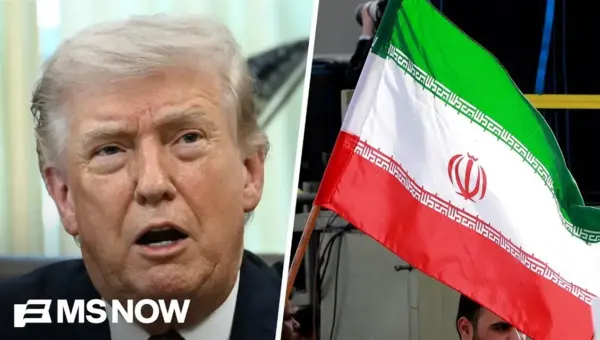
Dem Lawmaker: Trump ‘Clueless’ on Iran’s War Capability
A top Democrat on the House Armed Services Committee criticized President Trump's approach to Iran, calling his rhetoric "clueless" and damaging to U.S. alliances. Congressman Adam Smith argued that military might alone cannot achieve strategic goals and that escalation only empowers hardliners.