Republicans Gain as Democrats’ Blue Wave Fizzles
Democrats' hopes for a major "blue wave" in upcoming elections are fading as polling numbers show a much tighter race than anticipated. While Democrats might still gain control of Congress, their expected margin of victory has significantly narrowed. The recent focus on immigration and perceived Democratic failures on border security could be a key factor shifting voter sentiment.

Republicans Gain as Democrats’ Blue Wave Fizzles
Democrats are expressing strong confidence about regaining control of Congress, with some predicting a “blue wave” similar to 2018. However, current polling numbers suggest a much tighter race. If an election were held today, 39% of Americans would vote Democrat, while 36% would vote Republican. This 3% difference is far from the landslide many Democrats expected.
Polls Show Shifting Tides, Not a Flood
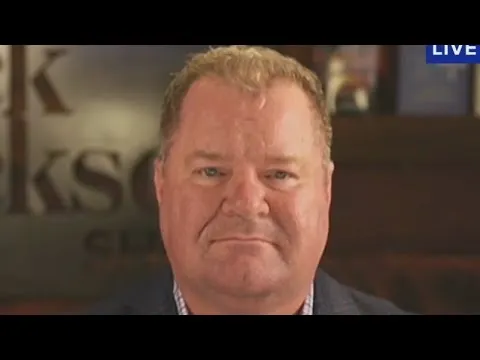
Erick Erickson, host of The Erick Erickson Show, notes that while Democrats might take the House, the enthusiasm is not translating into a massive lead. He uses RealClearPolitics polling averages as a benchmark. In 2018, Democrats led by about 8 points nationally, ending up with a 6-point advantage by election day. Recently, that lead has shrunk to just 3-4 points. This suggests a normal political shift rather than a powerful wave.
Why Are Democrats Doing Worse?
The problem for Democrats isn’t just that Republicans are doing better; it’s that Democrats are doing worse than anticipated. An NBC poll revealed that while many Americans dislike Donald Trump, they dislike Democrats even more. This is a critical distinction. Many voters don’t strongly connect the current Republican Party with Trump. This allows Republican candidates to distance themselves from him, potentially improving their chances.
The Trump Factor and Voter Appeal
Donald Trump himself remains a polarizing figure. While he once beat Kamala Harris significantly among men, recent polls show him losing men by almost 20 points. This shift is notable, especially considering popular figures in online spaces, sometimes called the “manosphere,” which tend to have strong followings among young men. These influencers, like Jake Paul, are endorsing candidates, reflecting a changing political landscape. However, Erickson believes Trump won in 2024 not because these online groups loved him, but because voters disliked Joe Biden, Kamala Harris, and the economy. Even if voters don’t love Trump now, they dislike Democrats more.
Immigration Emerges as a Key Issue
A tragic event in Chicago has brought immigration back into the political spotlight. An 18-year-old named Sheridan Gorman was killed by a 25-year-old man, Jose Medina, who was reportedly in the country illegally. Medina had been released twice before, once by the Biden administration and once by Chicago police. Governor JB Pritzker acknowledged failures in immigration policy, both at the national and state levels. He stated, “There have been real failures. Failures, of course, beyond the borders of Illinois. That’s their national failures of failure to have a comprehensive immigration reform.”
Republican Missed Opportunity on Immigration
Erickson argues that Republicans are failing to capitalize on this issue. He points to TSA agents not being paid and ICE agents being treated poorly at airports. Democrats, he claims, want to fund the TSA while defunding ICE. This creates a clear contrast. Republicans should be dominating this conversation, running ads, and defining the election around security. Erickson believes the choice should be framed as: Democrats offer an unsecured border, while Republicans want security on both sides. The failure to focus on immigration, he suggests, is a significant missed opportunity for the GOP.
Global Impact
This analysis suggests a potential shift in the US political landscape. If the anticipated Democratic gains are smaller than expected, it could alter the balance of power in Congress. The focus on immigration highlights a key dividing line between the parties. How effectively Republicans use this issue, and how Democrats respond, will significantly impact not only US domestic policy but also its international image and relationships. A divided or narrowly controlled Congress can lead to policy gridlock, affecting everything from trade agreements to foreign aid.
Historical Context
The debate over immigration has a long history in American politics. Throughout different eras, concerns about border security and the integration of immigrants have shaped elections and policy. The current situation echoes past anxieties about national identity and economic impact. The “welcoming city” ordinances mentioned, which protect undocumented immigrants from federal enforcement, have been a point of contention for years. The Republican call for stricter enforcement and border control is a recurring theme in their platform, often resonating with voters concerned about national sovereignty and public safety.
Economic Leverage
While the transcript doesn’t detail specific economic figures, the underlying issues have economic implications. Immigration affects labor markets and consumer demand. Debates around funding for agencies like ICE and TSA relate directly to government spending and resource allocation. Sanctions and trade policies, while not explicitly discussed here, are always factors in international relations, influencing economic stability and political alliances. The current focus on border security suggests that economic concerns are closely tied to national security perceptions.
Regional Alliances and Power Balances
The US political climate has global repercussions. Shifts in US policy, especially concerning immigration and border control, can affect relations with neighboring countries like Mexico and Canada. International trade and security agreements are often influenced by domestic political stability and the direction of US foreign policy. A Congress divided or controlled by a party with a different foreign policy approach can alter the US’s role in international organizations and its alliances worldwide.
Future Scenarios
Several scenarios could unfold. Scenario 1: Democrats win back the House but with a much smaller majority than expected. This would give them legislative power but less room for error, potentially leading to internal party divisions. Scenario 2: Republicans make significant gains, potentially taking back the House and even the Senate. This would give them more control to implement their agenda, possibly leading to major policy shifts. Scenario 3: The election results are very close, leading to recounts and political uncertainty, which could further destabilize both domestic and international confidence in US governance.
Source: Democrats are doing worse despite shift in voters, Erick Erickson says | On Balance (YouTube)

Related Articles

House Republicans Reject Senate Deal, Sparking Government Funding Clash
House Republicans have rejected a Senate bill to end the government shutdown, citing insufficient border security measures. Congressman Randy Fine called the Senate deal a "disgrace" and highlighted the ongoing fight for full government funding. President Trump's executive order to pay TSA agents offers temporary relief, but the core disagreement over border security continues to paralyze Washington.

Voter ID: Common Sense or Suppression?
A growing debate surrounds voter ID laws, with proponents calling them a common-sense measure against fraud and opponents fearing voter suppression. Many countries and U.S. states already require ID to vote.


MAGA Voters Divided Over Potential Iran War
The potential for a US war with Iran has sparked debate at CPAC, revealing a divided MAGA base. While some support military action, many express concerns over prolonged conflicts and rising economic costs, particularly higher gas prices.