Republican Party’s Trump Era: A Reckoning Looms
A sharp critique argues the Republican Party is complicit in the nation's current struggles, urging voters to reconsider their support. The analysis questions the party's benefit to anyone but the wealthy, citing economic hardship as evidence.

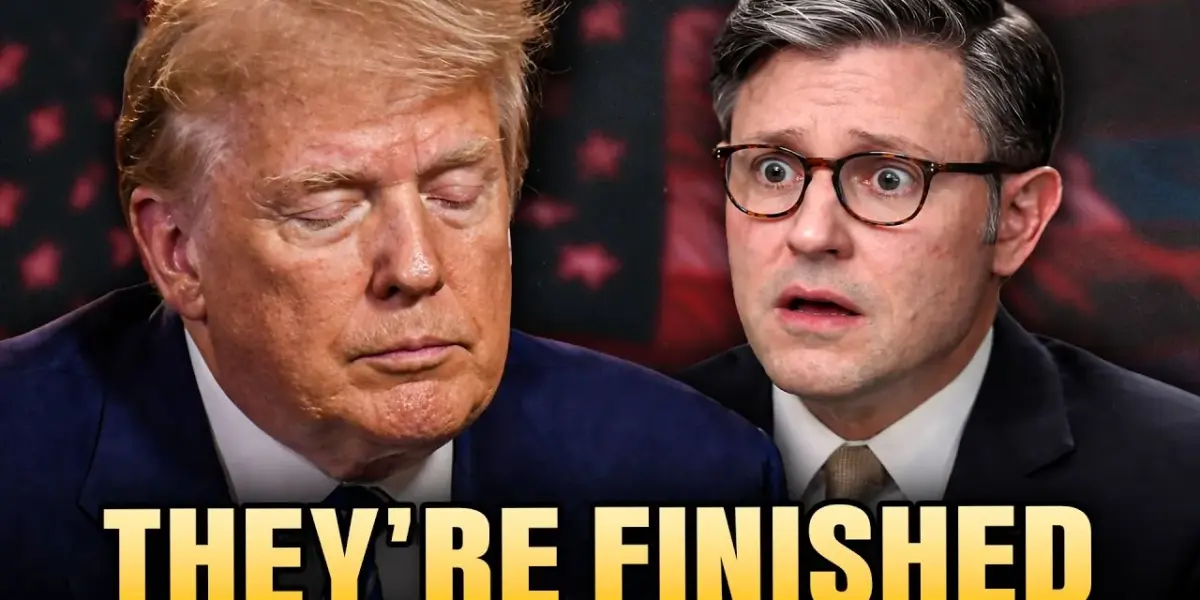
The Republican Party’s Trump Era: A Reckoning Looms
The current state of the United States, marked by economic struggles, controversial revelations, foreign policy challenges, and immigration issues, is a heavy burden for all Americans. While Donald Trump is often at the center of these discussions, a strong argument can be made that the Republican Party as an institution bears significant responsibility for these difficulties. The party not only allowed Trump to run under its banner and secure nominations but also rallied around him, helping him win the presidency twice.
During both of Trump’s terms, the majority of Republican elected officials have followed his lead without significant opposition. While a few individuals have occasionally pushed back against Trump’s directives, these instances are rare and often end with them eventually conceding. This consistent alignment suggests a deep complicity within the party, extending from its leaders to its voters. The argument is that this collective support has directly contributed to the challenges the nation now faces, leading some to question the very survival of the Republican Party as a viable political force.
Who Benefits, and Who Pays?
From this perspective, there appears to be little reason for most Americans to vote Republican, unless they are among the wealthiest. The primary beneficiaries of Republican policies, it is argued, are those earning over $1 million annually. These individuals, the argument goes, support the party for its promise of lower taxes, tax breaks, and the desire to abolish or significantly reduce the IRS’s power, particularly its auditing functions. While this financial motivation is understandable from a self-interest standpoint, critics question its moral standing and its benefit to the broader population.
For anyone not earning a million dollars a year, continuing to support the Republican Party is seen as a form of self-harm. The argument is that voters are being misled by distractions, such as focusing on social issues like gender in sports, while ignoring their own economic well-being. These voters, often characterized as being swayed by divisive rhetoric, find themselves complaining about issues like high gas prices, which directly impact their ability to get to work, yet they voted for policies that contribute to these problems. The core of this criticism is that these votes are based on hate and a desire to restrict the rights of others, rather than on policies that would improve their own lives.
Economic Fallout and Broken Promises
The economic consequences are presented as stark evidence. Small businesses are reportedly failing at rates not seen in decades, and large corporations are laying off employees at a similar historical high. Meanwhile, wage growth has stalled, and inflation continues to rise, pushing the cost of everyday necessities, like gasoline, through the roof. These economic hardships are directly linked to the policies and leadership supported by the Republican Party. The assertion is that the party’s priorities do not align with the needs of the average citizen, especially when it comes to financial stability and opportunity.
The call to action is for these voters, particularly those aligned with the MAGA movement, to learn from these experiences. The message is clear: the current Republican leadership, as represented by Trump and his allies, will not prioritize their well-being, especially their financial future. Despite the grim outlook, the speaker believes the Republican Party organization will likely survive. However, the argument is that, based on recent history, no American should rationally vote for a Republican candidate again after witnessing the consequences of the past few years.
Why This Matters
This analysis raises critical questions about political accountability and the long-term health of democratic institutions. It challenges voters to look beyond partisan loyalty and assess the tangible impact of political decisions on their lives and the nation’s well-being. If the core argument holds true – that a significant portion of the electorate is voting against their own economic interests due to divisive rhetoric and social wedge issues – it points to a deeper problem within the political discourse. It highlights the importance of informed voting and the responsibility of political parties to offer policies that genuinely benefit all citizens, not just a select few.
Historical Context and Future Outlook
The current situation echoes historical periods where political parties have faced existential crises due to internal divisions or a perceived failure to serve the public interest. The rise of Donald Trump and the subsequent transformation of the Republican Party represent a significant departure from traditional conservative principles for many observers. This shift has alienated some long-time party members and created a loyal base energized by a populist, nationalist message.
The future outlook for the Republican Party, according to this critical view, depends on its ability to either shed the influence of Trumpism or fundamentally redefine its platform to address the economic anxieties of working and middle-class Americans. If the party continues on its current trajectory, critics argue, it risks becoming irrelevant to a majority of the electorate, a fate that could indeed lead to its decline. The challenge lies in whether the party can evolve to meet the complex needs of a changing America or if it will remain defined by a political figure and a set of policies that, according to this analysis, have proven detrimental to the nation.
Source: The Republican Party Should NOT Survive This (YouTube)

Related Articles


Trump Ditches Vance’s Call, Shows Favor for Rubio
Senator JD Vance's live rally call to Donald Trump went unanswered, leading to an awkward voicemail. The incident suggests a potential cooling of relations between Vance and Trump, with a perceived favoritism towards Senator Marco Rubio.

Trump’s Iran Threats Spark War Crimes Fears
Former President Donald Trump's extreme threats against Iran have led to a communication blackout and fears of war crimes. Iran has warned of severe regional retaliation if attacked, while international figures call for Trump's removal from office.

Trump Threatens Iran With ‘Demolition’ Amid Impeachment Talk
President Trump issued a stark warning to Iran, threatening widespread demolition of its infrastructure if a deal isn't reached. Meanwhile, domestic politics heat up as an Arizona Democrat plans to introduce articles of impeachment against Secretary of War Pete Hegseth, though success is unlikely in the current political climate.