Rep. Crow: Trump Misreads Public on Escalating Iran Conflict
A US Congressman criticizes Donald Trump's escalating military actions in Iran, arguing that the former President misunderstands American public opinion, which polls show largely disapproves of the conflict. The ongoing regional tensions, coupled with significant human and financial costs, are fueling calls for congressional oversight.

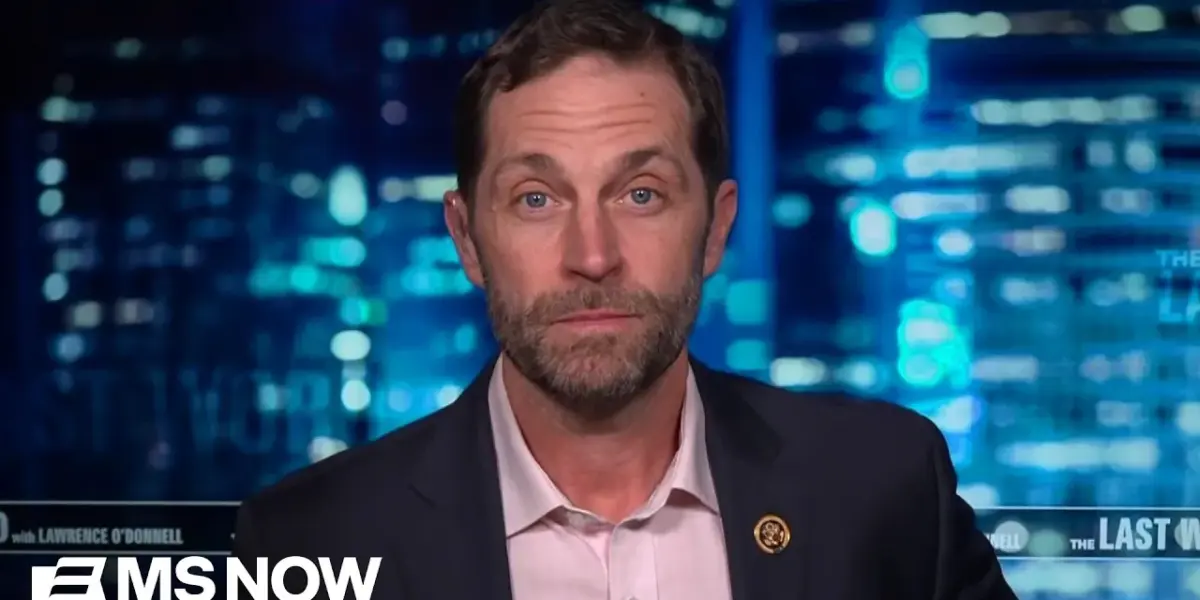
US Congressman Slams Trump’s Iran Policy Amidst Escalating Regional Tensions
Washington D.C. – As the Trump administration signals an intensification of military actions in Iran, a prominent voice in Congress is pushing back, asserting that the former President fundamentally misunderstands the American public’s desire to avoid further conflict. Representative Crow, speaking out following a series of escalating attacks in the Middle East, criticized the administration’s rhetoric and actions, particularly concerning Iran, labeling the current approach as a miscalculation of American sentiment and a dangerous deviation from responsible foreign policy.
Regional Flashpoints Ignite Amidst US Escalation
The heightened tensions come as Israel launched significant strikes on the outskirts of Beirut, Lebanon, reportedly the most intense since a late 2024 ceasefire. These attacks, according to Lebanon’s health ministry, resulted in 123 deaths and 683 wounded prior to the ceasefire. Simultaneously, Azerbaijan accused Iran of drone attacks targeting civilian infrastructure, including an airport and a school, an allegation Tehran has denied. The volatile situation has led to the closure of the U.S. Embassy in Kuwait, with American citizens reportedly stranded in the Middle East due to widespread airspace closures and severe travel restrictions.
“The trump administration signaled that it is looking to intensify attacks on Iran while claiming that it does not equate to an expansion of Trump’s war there.”
Trump’s Regime Change Ambitions and Disregard for Public Opinion
Central to the criticism is Donald Trump’s stated ambition for regime change in Iran, coupled with his assertion that he should have a say in selecting Iran’s next leader. Trump, in comments to Axios, dismissed a potential successor like Ayatollah Khamenei’s son as a “lightweight,” emphasizing his intent to prevent the continuation of hardline policies that he claims would necessitate future U.S. military engagement. “Khamenei’s son is unacceptable to me. We want someone that will bring harmony and peace to Iran, or at least someone who will do what Donald Trump wants him to do,” Trump stated, revealing a clear desire for a leader aligned with his foreign policy objectives.
However, polling data presents a starkly different picture of American sentiment. According to recent surveys, 56% of Americans disapprove of U.S. military strikes in Iran, a conflict that has already claimed the lives of six U.S. service members. Representative Crow highlighted this disconnect, stating, “But THAT’S NOT ACTUALLY WHAT AMERICANS WANT, ACCORDING TO POLLING ON TRUMP’S WAR THAT HAS ALREADY KILLED SIX U.S. SERVICE MEMBERS.” He further elaborated on the public’s weariness with prolonged conflicts, noting, “I JUST WANT YOU TO KEEP THESE THINGS TEND TO BE FAIRLY POPULAR AT THE START AND THEN THE LONGER THEY DRAW ON, THE LESS POPULAR THEY GET. THIS IS WILDLY UNPOPULAR RIGHT IN THE BEGINNING.”
Defense Secretary Defends Strategy Amidst Criticism
Defense Secretary Pete Hegseth defended the administration’s approach, emphasizing “clear objectives with maximum authorities on the battlefield.” He contrasted the current strategy with what he termed “dumb politically correct wars of the past,” asserting that the U.S. possesses ample resources and unwavering resolve. “Our munitions are full up and our will is iron clad which means our timeline is ours and ours alone to control. Iran is hoping that we cannot sustain this, which is a really bad miscalculation for the IRGC in Iran,” Hegseth declared, indicating confidence in the long-term viability of the U.S. military presence and objectives.
Congressional Pushback and War Powers Debate
The escalating conflict has also ignited a debate in Congress over war powers. House Republicans recently blocked a bipartisan war powers resolution, co-sponsored by Representatives Ro Khanna and Thomas Massey, which aimed to restrict the President’s ability to engage in military action in Iran without explicit congressional approval. A similar measure had failed in the Senate the previous day. Representative Crow criticized this obstruction, framing it as a failure to restore accountability to the decision-making process regarding military engagement. “What the vote today was about, was about returning accountability back to this broken process. Putting Americans back in the driver’s seat in the most important decision the government can make and that is the decision to send our sons and daughters to war and to spend our money in conflict. And Republicans walked away from that,” he stated.
“The cavalier attitude toward the loss of life. Pete Hegseth had it and Donald Trump had it. It’s kind of wild to me. I understand that in wars people die, but then those wars should be considered and strategic. And and should be explained to the American people and justified to the American people.”
Humanitarian Crisis and Economic Strain
The human cost of the conflict is mounting, with the World Health Organization reporting nearly 1,000 deaths in Iran, including approximately 170 at a girls’ elementary school bombing, which the U.S. is investigating. Iran’s Foreign Minister has indicated that the country is not seeking a ceasefire with the U.S. and Israel at this time, warning of a “big disaster” for U.S. ground troops should an invasion occur. The economic implications are also significant, with the conflict reportedly costing $2 billion per day. This expenditure comes at a time when many Americans are struggling with economic hardship, including access to healthcare and crumbling infrastructure, further fueling public opposition to prolonged and costly overseas conflicts.
Lessons Unlearned from Past Conflicts
Representative Crow drew parallels to previous long-term engagements in Iraq and Afghanistan, highlighting the disproportionate burden borne by working-class individuals while corporate interests potentially benefit. He questioned whether lessons from the trillions of dollars and thousands of lives lost in nation-building and regime-change efforts had been learned. “Have we learned nothing from that experience? Apparently Donald Trump and Pete Hegseth haven’t learned anything from that experience. Americans know better, though. Here’s the deal. The reason why this is unpopular is because we know better,” he asserted.
Looking Ahead: Congressional Action and Public Sentiment
As the situation in the Middle East continues to develop, the focus remains on whether Congress will assert its oversight role in matters of war and peace. The stark contrast between the administration’s assertive military posture and public disapproval suggests a potential for increased political pressure. The coming weeks will be crucial in determining whether legislative efforts to curb presidential war powers gain traction and if the administration’s strategy in Iran can withstand growing domestic and international scrutiny, particularly as the human and financial costs continue to rise.
Source: Trump doesn’t understand Americans don’t want this war in Iran, says Rep. Crow (YouTube)

Related Articles


Trump’s Ruthless Purge: Noem’s Downfall Signals a New Era
Kirstjen Nielsen's ousting from DHS highlights the transactional and often ruthless nature of Donald Trump's leadership. Her "humiliation" serves as a stark warning to appointees about the paramount importance of unwavering loyalty and the expendability of those who fail to meet the President's ever-shifting expectations.

Trump Fires DHS Secretary Noem Over Minneapolis Fallout
President Donald Trump has fired DHS Secretary Kristi Noem, citing "unfortunate leadership mishaps" including the fallout from Minneapolis incidents and controversial statements. The dismissal followed a series of critical Senate hearings where Noem faced intense questioning.

Democrats Confront Trump Over ‘Unlawful War’ and Epstein Cover-Up
Democratic lawmakers are challenging Donald Trump's administration over its actions regarding Iran and the Epstein scandal. They cite concerns about an "unlawful war," lack of clear objectives, and potential cover-ups, demanding greater accountability and adherence to constitutional war powers.